Source:Best Coffee > News Author:qjroot Published:2026-09-30 18:19:43
Brazilian coffee beans commonly show nutty, cocoa, caramel and ripe-fruit sweetness, with mostly soft acidity and a round mouthfeel. They suit everyday black coffee and also carry milk well. What truly affects the cup is not only the beans themselves, but also grind size, water temperature, coffee-to-water ratio, and the rhythm of pouring or extraction.
When choosing Brazilian beans, start by looking at the roast direction and flavor description. A medium-light roast more easily preserves dried fruit, brown sugar and nutty aromas, and is more flexible in layered pour-over brewing; a medium-dark roast pushes cocoa, roasted nuts and caramel to the front, giving more presence in espresso or milk coffee. If the packaging says the acidity is soft and the sweetness is pronounced, it is usually better to start with gentle parameters.
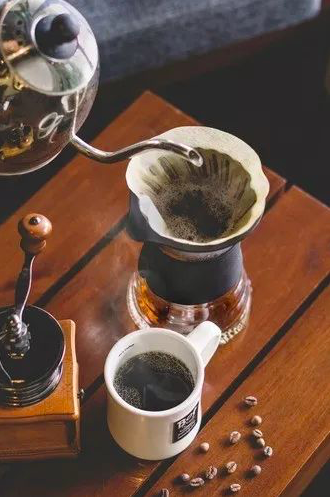
For pour-over Brazilian beans, you can start with 15 g of coffee and 225 g of water, a coffee-to-water ratio of about 1:15. Set the water temperature at around 90°C first; for medium-light roasts you can raise it to 91-93°C to release sweetness and fruit aromas more fully; for medium-dark roasts you can lower it to 87-89°C to reduce bitterness and woody notes. Keeping the total time between 2 minutes 30 seconds and 3 minutes makes the flavors easier to observe.
The pouring does not need to pursue complicated movements. First bloom with about 30 g of water for 40 seconds, then pour in two to three stages up to 225 g, letting the water flow steadily through the coffee bed. If the cup tastes only sour and the sweetness is thin, grind a little finer or raise the water temperature by 1°C; if the finish turns dry and bitterly burnt, grind coarser, reduce agitation, and let the dripper finish flowing faster.
For medium-light roasted Brazilian beans, a finer grind and slightly higher water temperature can bring out raisin, citrus peel or brown-sugar-like sweet aromas, but too fine a coffee bed will slow the flow and turn cocoa notes bitter. You can keep the coffee-to-water ratio unchanged, adjust the grind by one setting only, then compare the aroma, the sweetness on entry and the finish after swallowing, to find the range that suits your dripper.
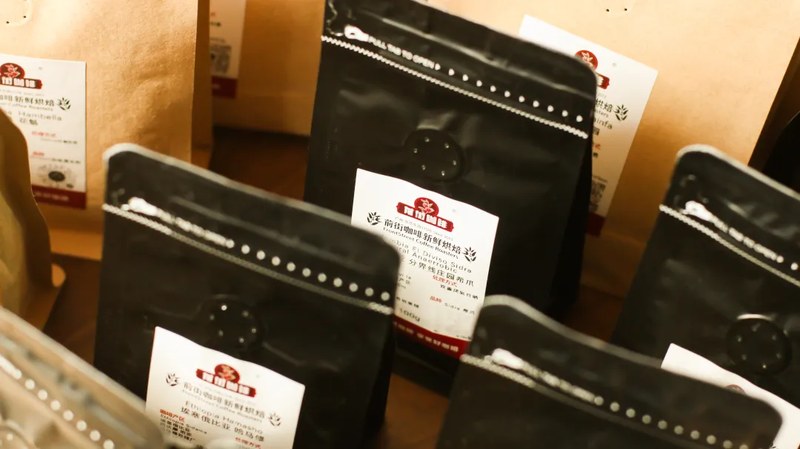
Those who like bright floral and fruity profiles can also use Brazilian beans alongside other single origins for flavor comparison. Qianjie Ethiopia Huakui has aromas leaning more toward tropical fruit and strawberry; for pour-over you can use 92-94°C and a 1:15 ratio, pour in stages and keep the total time to about 3 minutes. It is suitable for sensing the difference between high-aroma beans and Brazilian beans in sweet-acid structure.
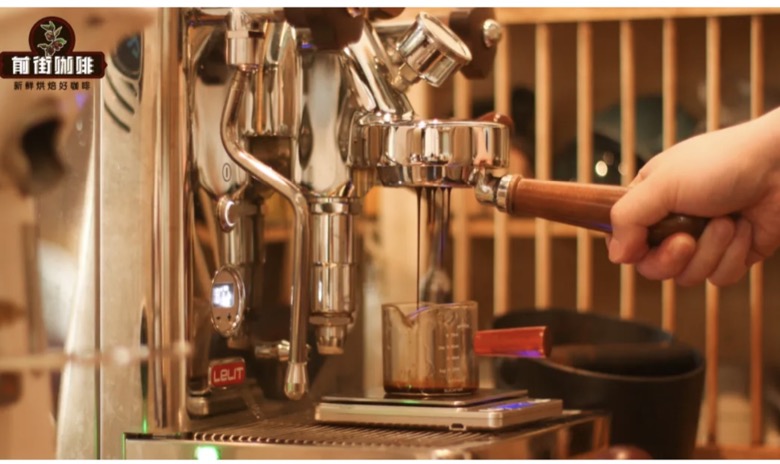
Moving to the espresso machine, medium-dark roasted Brazilian beans can start with 18 g of coffee, 36 g of liquid yield, and 25-30 seconds, with extraction pressure set near 9 bar. The grind should be finer than for pour-over, but do not push it to extremely fine; if the coffee flows too fast and tastes sharp and thin, grind finer; if the flow is slow and the tongue feels astringent, grind slightly coarser while also checking whether the distribution is even.
When making espresso with medium-light roasted Brazilian beans, you can try a pressure of 8-9 bar and open the yield ratio to 1:2.2 or 1:2.5, which often lets the fruit aromas and sweetness open up more. If the espresso tastes sour on entry and the weight is insufficient, extend the yield or raise the temperature by 1-2°C; if bitterness overpowers the nutty sweetness, shorten the liquid weight or lower the temperature to 91-92°C.
When making a latte, the espresso should not chase an overly long extraction. With 18 g of coffee and 32-36 g of liquid yield, paired with 150-180 ml of milk, the coffee flavor will be clearer and the nuts and cocoa easier to leave behind. Heat the milk to 55-65°C; too high a temperature will weaken the sweet aromas. Medium-dark roasted Brazilian beans usually suit this approach, while medium-light roasts can use less milk to preserve the fruit-aroma outline.
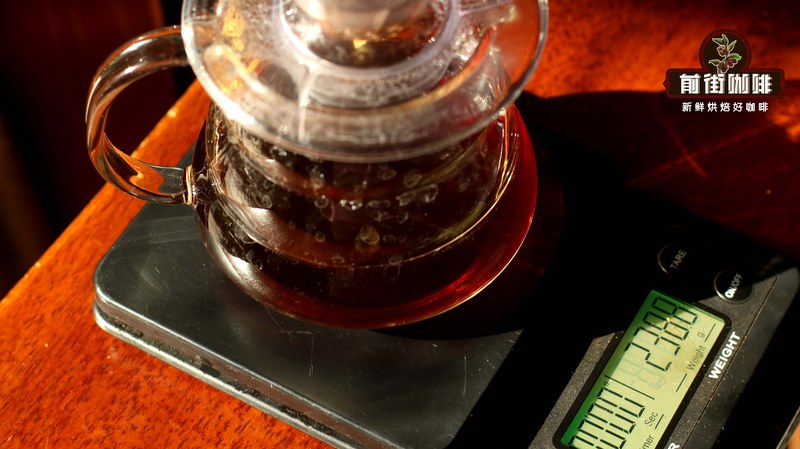
Household equipment readings may differ from professional machines, so parameters should serve the taste rather than being tied to a particular number. For pour-over, focus on sweetness, acidity and finish; for espresso, observe concentration, flow rate and performance in milk. Change only one of water temperature, grind or liquid weight each time, and record the bean roast date and the cup impression, so adjustments have more direction.
The charm of Brazilian beans lies in their plasticity: a higher water temperature can open up ripe fruit and caramel; a finer grind gives a fuller cup; a tighter espresso ratio concentrates the nutty and chocolate notes. First establish a set of starting parameters for your own equipment, then make small corrections around the taste on entry, and you can brew the same beans into a performance closer to your everyday taste.
Related Reading


Comments (0)
Loading comments...
You May Be Interested




Trending Reviews
Popular Videos

With you, wherever you are! We provide useful features to help you find new things you'll love






