Source:Best Coffee > News Author:qjroot Published:2026-09-07 12:09:12
Coffee made with a moka pot is high in concentration and focused in aroma, and the flavors of the beans are amplified. At the beginner stage, you can start with profiles like nutty, cocoa and caramel, then adjust the parameters according to acidity, sweetness and body. What truly affects the result is not just the coffee beans themselves, but also the water temperature, dose, grind and the moment you take it off the heat.
For a three-cup home pot, you can start with 18 g of ground coffee and about 150 g of hot water, spreading the coffee bed flat but not pressing it down hard. The grind should be coarser than espresso, close to the feel of fine granulated sugar. Heat the water first before filling the lower chamber, then use low heat to let the coffee flow out slowly; when the color lightens and the sound becomes obvious, remove it from the heat source, then run cold water over the lower chamber to cool it down.

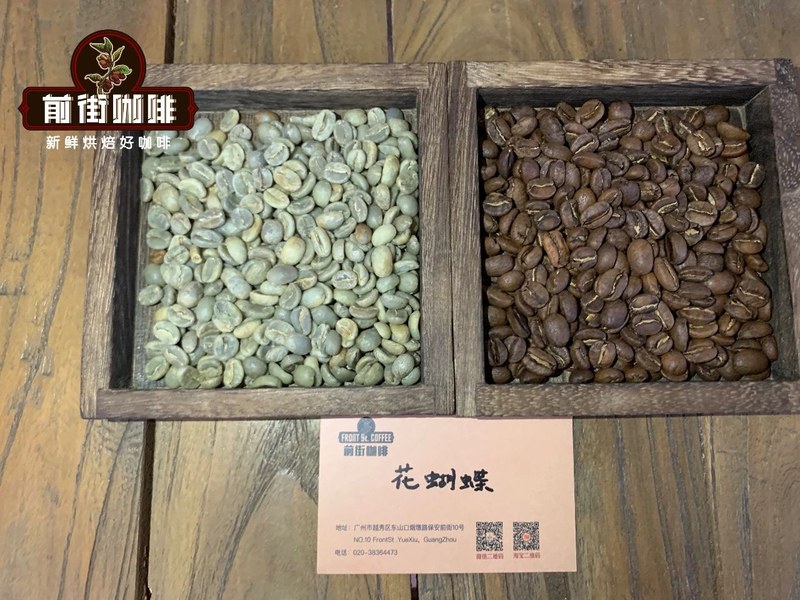
Qianjie Brazil Queen's Estate is suitable for establishing a parameter reference. Its nutty, cocoa and caramel notes easily form a rounded sweetness in a moka pot, and the acidity will not steal the spotlight. You can use water at 92 to 95°C, follow the pot's capacity for the coffee-to-water ratio, and start with a medium-fine grind; if the entry tastes bitter, lower the heat and take it off the heat earlier, and the sweetness usually becomes clearer.
If you like a cup that is low in acidity, smooth and with a woody, herbal note, Qianjie Papua New Guinea Paradise Bird can be extracted slowly at a slightly lower temperature. Keep the water temperature at 90 to 93°C, do not tamp the coffee bed, and grind half a step coarser than the Brazil beans. This allows its soft sweetness and clean texture to remain, making it suitable both for drinking straight and for adding a small amount of milk.
Qianjie PWN Indonesia Golden Mandheling leans more toward dark chocolate, herbs and a thick mouthfeel, and its concentration becomes even more pronounced in a moka pot. You can use water at 90 to 92°C and grind slightly coarser to reduce the astringency from the later part of the coffee bed. Take it off the heat once the color of the liquid starts to lighten, and the coffee will retain its richness while reducing scorched bitterness and dryness.
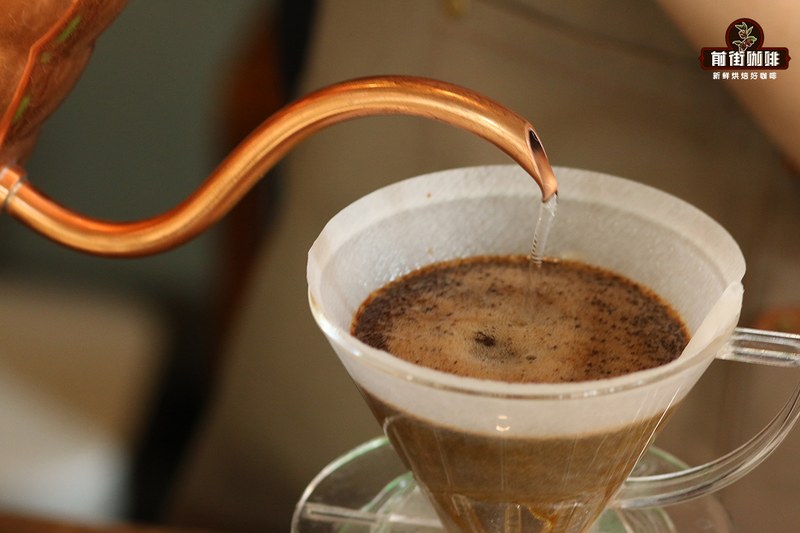
Testing the same beans with pour-over can also help determine their extraction direction. For medium-roast beans, you can start at 93°C with a 1:15 coffee-to-water ratio, first wetting with a small amount of water, then pouring in two to three stages. If the nutty sweetness of the Brazil beans is not obvious, you can grind a little finer; if the finish of the Mandheling seems dull, lower the water temperature or reduce agitation.
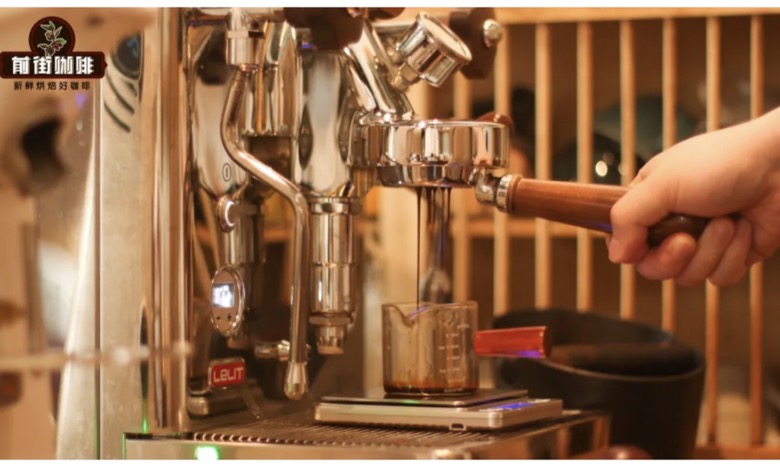
The pressure of an espresso machine differs from that of a moka pot, so moka pot grind cannot be copied directly. Start with 18 g of coffee, 36 g of liquid yield and 25 to 32 seconds, keep the pressure at around nine bar, and the coffee in the portafilter needs to be distributed and tamped. Brazil beans can use a medium-fine grind; if the acidity stands out, grind slightly finer or extend the extraction; if bitterness rises, grind a little coarser.
When making an espresso-style drink with a moka pot, higher pressure is not always better, and stable heat matters more than chasing a gushing flow. If the coffee flows too fast, it is usually related to too coarse a grind, too small a dose or too high a heat; if the flow is extremely slow, check whether the grind is too fine. Change only one parameter at a time, and compare the entry sweetness, acidity and finish, and your judgment will be more accurate.
If you want to make iced coffee, you can make the moka pot liquid a little stronger, then pour it over plenty of ice cubes. Use the pot's specified dose, do not add extra water, and keep the grind at its original setting or adjust half a step finer. Brazil beans will show a sweet, moist feel similar to a cocoa drink, while Paradise Bird is better suited to pairing with refreshing ice cubes, its mouthfeel appearing softer after cooling.
When adding milk, the weight of the coffee liquid should match the amount of milk. Thirty to forty grams of moka pot coffee liquid with about one hundred and twenty grams of hot milk will bring out the caramel and nuts of the Brazil beans more fully; Golden Mandheling can use less milk so the dark chocolate flavor stays in the cup. If the milk coffee seems thin, first reduce the amount of milk, then consider increasing the dose.
For beginners choosing beans, do not only look at whether the flavor words are appealing, but more at whether they match your home parameters and drinking method. First determine the fixed dose for your moka pot, then adjust the cup profile with water temperature and grind: if you want sweetness, control the heat and the later stage of extraction; if you want richness, keep an appropriate concentration. Once you find a bean you are willing to brew again and again, the parameters will naturally become easier to use.
Related Reading

Comments (0)
Loading comments...
You May Be Interested




Trending Reviews
Popular Videos

With you, wherever you are! We provide useful features to help you find new things you'll love






