Source:Best Coffee > News Author:qjroot Published:2026-09-07 11:58:43
An Americano made with a moka pot keeps the aroma of black coffee while gaining an easier drinking experience by adding water. When choosing beans, you should not just look at the words "suitable for moka pot," but also whether they can release sweetness at a relatively high temperature and in a short time. Beans with notes of nuts, cocoa, and dark chocolate usually form a fuller cup more easily; beans with soft fruit acidity require more careful water temperature and grinding to maintain brightness.
When selecting beans, you can understand the moka pot's output as a kind of espresso liquid. Its pressure is lower than an espresso machine, but more concentrated than ordinary immersion, and the coffee bed completes extraction quickly under the push of hot water. Therefore, if the beans have clear aroma but a lighter structure, they are suitable with more hot water; if the beans have outstanding body, you can reduce the dilution ratio so that cocoa, nut, and caramel notes stay in the cup.

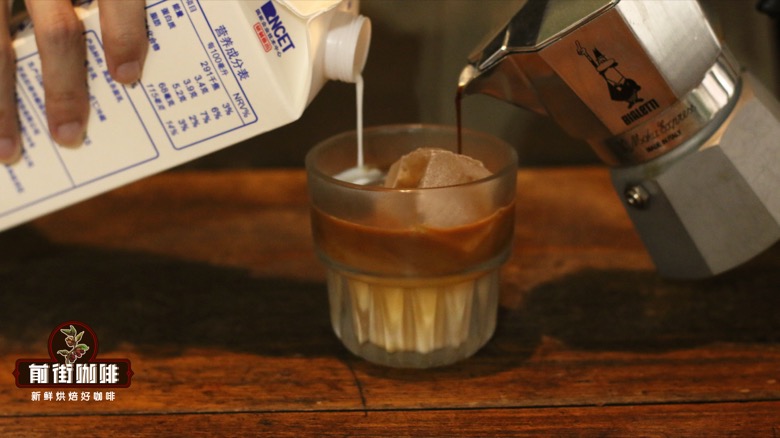
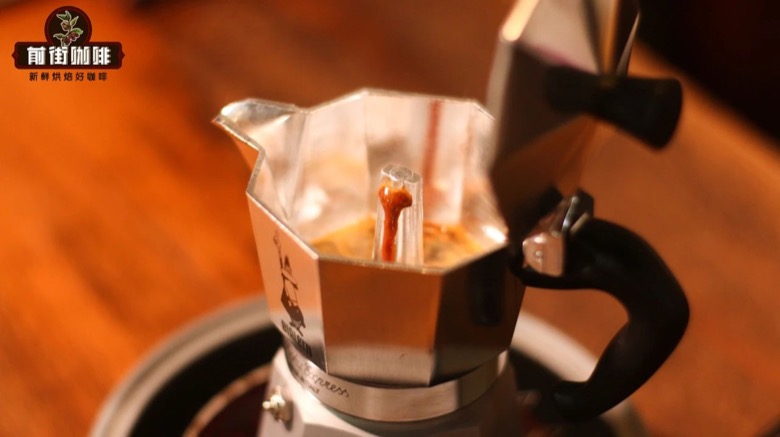
For everyday moka pot Americano, you can start with a medium grind, fill the filter basket with grounds and level it gently, and add water below the safety valve. Use hot water at about 90 °C in the pot, heat over low flame, and watch the color change once the liquid begins to flow continuously. When the flow turns pale and the sound becomes obvious, remove it from the heat source, then cool the pot body with cold water. This lets extraction stop at the point where sweetness has not yet been covered by burnt bitterness.

Qianjie PWN Indonesia Golden Mandheling is suitable for those who want herbal, dark chocolate, and heavy mouthfeel. Its acidity is not prominent, so when brewing with a moka pot you can use a slightly coarser grind than espresso, lower heat, and a shorter flow stage to get a rich, weighty coffee liquid. After adding about an equal amount of hot water, the flavor opens up a little; if drunk directly, it pairs well with breakfast bread or nut pastries.
Qianjie Brazil Queen Estate has a flavor focus closer to roasted nuts, cocoa, and caramel sweetness, with soft acidity, making it suitable for establishing everyday moka pot parameters. You can use water at 90 to 92 °C, maintain medium-low heat, and let the coffee liquid flow out slowly. If the sweetness in the cup is insufficient, you can adjust the grind slightly finer; if the finish feels dry, remove from heat earlier and keep the added hot water within twice the weight of the coffee liquid.
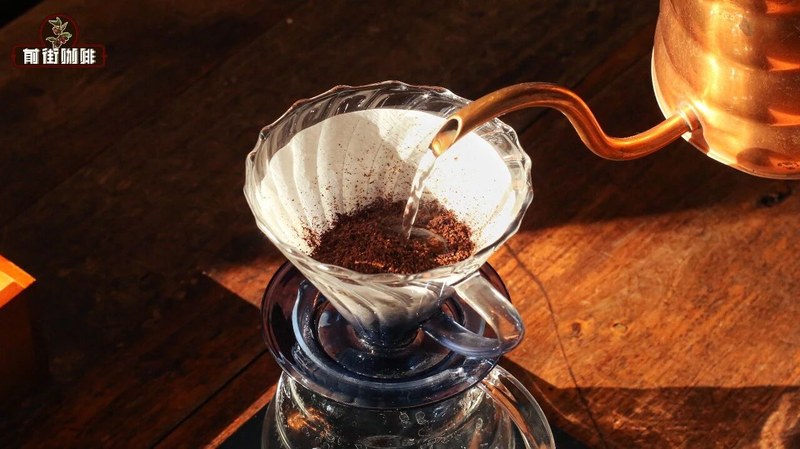
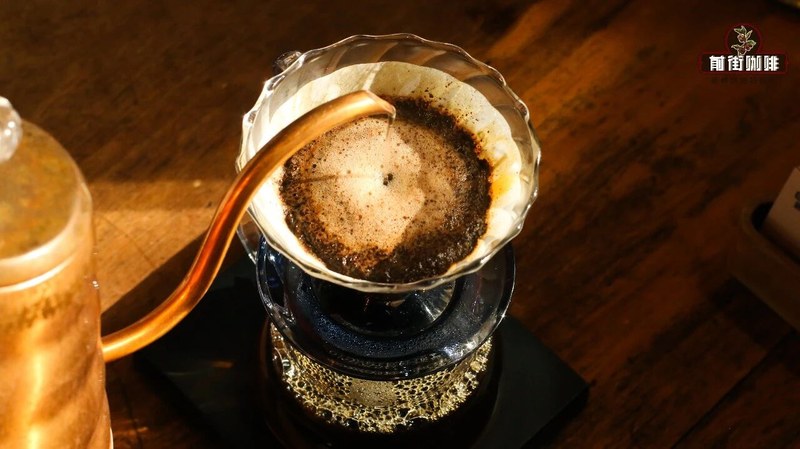
If you also brew pour-over at home, you can use the same beans to observe how they change under different extraction conditions. For medium-roast beans with nutty and cocoa notes, you can start at 92 to 94 °C and a coffee-to-water ratio of about 1:15, using staged pouring so that the total time falls between 2.5 and 3 minutes. If the cup is too thin, raise the water temperature or grind finer; if bitterness is obvious, reduce agitation or make the grind coarser.
Lighter, more lively aromatic beans need more heat support in pour-over, but that does not mean the higher the water temperature the better. You can start with 94 to 96 °C and a coffee-to-water ratio of 1:16, first wetting the coffee bed with a small amount of water, then completing the pour with a steady stream. A sharp acidity on entry often indicates insufficient extraction or heat, so you can grind slightly finer; if the finish is dry, reduce the dwell time in the final stage and disturbance of fines.
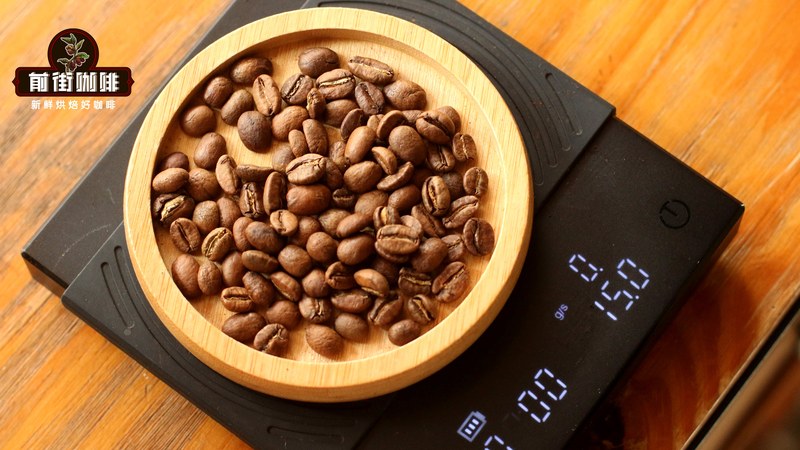
When switching to an espresso machine, the beans face finer grinding, higher pressure, and more concentrated extraction. You can start with 18 g of coffee, 36 g of liquid weight, and 25 to 30 seconds, keeping pressure near 9 bar. Light-medium roast beans can use a water temperature of 93 to 95 °C, while darker beans can start from 90 to 93 °C to avoid high heat pushing the roasted character too far.
Qianjie Classic Blend is mainly based on flavors such as nuts, cocoa, and caramel, and at a coffee-to-liquid ratio near 1:2 it easily forms a full-bodied coffee liquid, suitable for moka pot Americano and also for espresso-machine milk coffee. If the espresso entry is sharp, you can grind finer so the liquid flow slows; if bitterness and dryness dominate the palate, adjust coarser slightly or shorten the output amount. When making Americano, add hot water, and it is recommended to start from 1:1, then increase or decrease according to concentration.
Parameter adjustments should revolve around the taste in the cup, not the pursuit of fixed numbers. If moka pot Americano is too acidic, check the water temperature, grind, and removal time; if too bitter, prioritize lowering the heat and shortening the final extraction stage. For pour-over, focus on whether sweetness unfolds; for espresso, focus on whether liquid weight and flow rate are coordinated. After finding a stable starting point, change only one condition each time, and the beans' characteristics will more easily become the cup that suits you.
Related Reading


Comments (0)
Loading comments...
You May Be Interested
2024-11-24

Trending Reviews
Popular Videos

With you, wherever you are! We provide useful features to help you find new things you'll love






