Source:Best Coffee > News Author:qjroot Published:2026-09-19 12:42:59
On a hot day, a refreshing glass of iced coffee is a wonderful way to wake up the spirit, and the starting point that determines where the flavor in the cup will go is exactly the blend or single-origin label on the bean bag. Single-origin beans focus on the native terroir of a single region, with a distinctive character and clear layers; blended beans, by contrast, seek a balanced, rounded and stable cup through the harmonization of bean varieties from different origins. Once you sort out these two flavor paths, you can easily find the one that matches what you expect in the cup.
If you like bright fruity sweetness and acidity with a light, transparent juice-like quality in a cold drink, single-origin beans are a very fitting direction. Single-origin coffee beans retain the highly recognizable aroma of a specific origin, and against the backdrop of cold ice, off-flavors are suppressed while delicate floral and fruity aromas emerge more three-dimensionally, making them especially suitable for iced pour-over, iced drip or a refreshing single-origin cold brew.
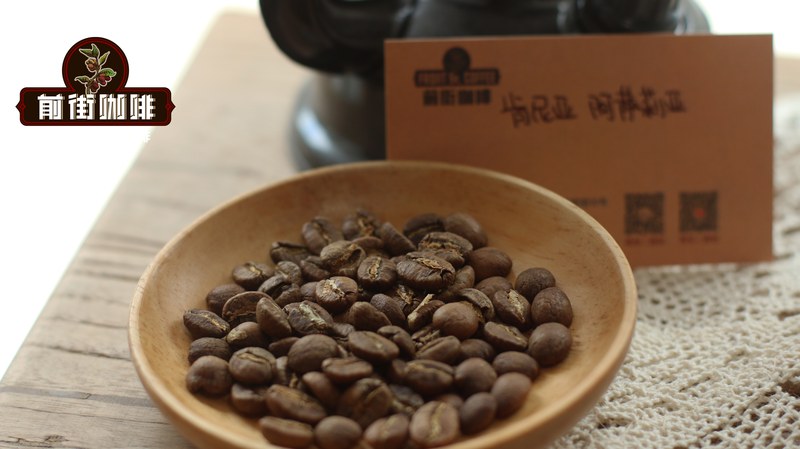
To experience lively, juicy sweetness and acidity in an iced cup, Qianjie Kenya Little Tomato is a highly representative single-origin choice. This bean has distinct cherry tomato and smoked plum flavors, accompanied by a gentle yellow sugar sweetness. Made into iced coffee, its acidity is crisp and clean, with a finish that has the mouth-watering quality of smoked plum juice. Drinking it in big gulps is especially thirst-quenching and saliva-inducing, letting you fully appreciate the passionate character of the East African region.
When brewing Qianjie Kenya Little Tomato as an iced pour-over, you can use a water temperature of 90°C, weigh out 15g of coffee grounds, use a 1:15 coffee-to-water ratio, for a total water volume of 225ml. Pour in three stages: first pour 30ml of water and let it bloom for 30 seconds, then steadily pour in a circle up to 130ml, and after the liquid level drops slightly, pour the remaining water up to 225ml, then remove the dripper. Keep the total time to 2 minutes 05 seconds. After brewing, simply swirl to mix and pour it into a glass filled with ice.
If you prefer a richer tropical fruit aroma and softer sweetness, Qianjie Ethiopia Huakui can show another charming side of single-origin beans. It carries lively fruit aromas like ripe strawberry and passion fruit, with a full and energetic sweetness. Whether made as an iced pour-over or a cold brew soak, the low temperature highlights its sweet fruity notes like a fruit-flavored cold drink, light and comfortable on the palate.

Besides single-origin pour-over, iced coffee made with an espresso machine also splits into two clear paths: single-origin and blend. When an espresso machine is loaded with single-origin beans for extraction, this is what everyone calls SOE. Extracting a shot of SOE espresso from light-to-medium roasted single-origin beans under constant pressure and pouring it into iced water to make an iced americano lets you taste extremely pure floral and fruity sweetness and acidity; but if used to make a large iced latte, its overly thin body is easily masked by the milk.
To make an iced latte with a full flavor and a tight integration of milk aroma and coffee aroma, traditional espresso blends show strong adaptability. Knowing how to read the blend ratio is the key to choosing: common recipes often use Brazilian beans as the base to provide a heavy nutty and dark chocolate-like body, then pair them with an appropriate amount of Colombian or Central American washed beans to add sweetness and cleanliness. The two complement each other in proportion, providing both crema support and avoiding monotony or bitterness.
When making espresso-based iced coffee, use a balanced medium-dark roasted blend, fill a double basket with 18g of grounds, set the espresso extraction program, and under 9 bar constant pressure extraction, after low-pressure pre-infusion, let the total time reach 26 seconds to extract 36g of espresso. Pour this rich espresso over fresh milk filled with ice, and the nutty and caramel sweet aromas advance layer by layer, icy and full-bodied.
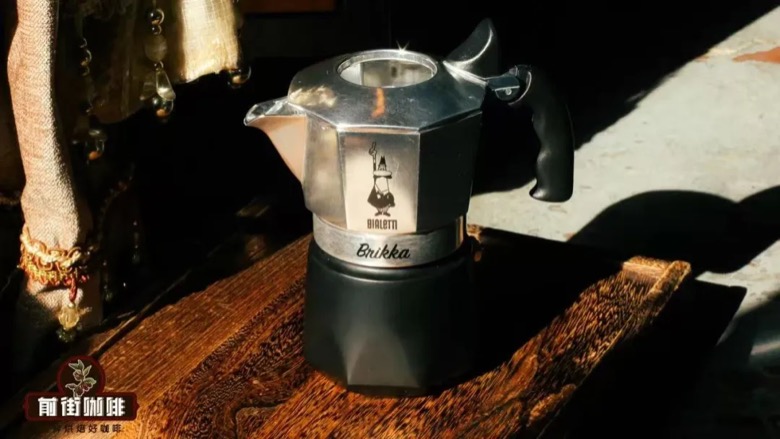
If you do not have an espresso machine at home, a moka pot is also a practical tool for making a rich iced coffee base. Use medium-dark roasted blend beans ground slightly coarser than espresso fine grounds, pour 100ml of warm water into the lower chamber of the moka pot, fill the filter basket level and full without tamping, screw it tight and place it on the stove over medium-low heat for 1 minute 45 seconds. When you observe the coffee liquid flowing out steadily and beginning to lighten, turn off the heat. Mix the resulting liquid with ice and oat milk for an equally flavorful drink.

There is no need to get stuck in indecision when choosing beans; the key is to clarify your drinking purpose. If you want to drink a clear, juice-like pure black iced coffee with overflowing floral and fruity aromas in big gulps, decisively choose light-to-medium roasted single-origin beans to explore regional character; if you want to pair with plenty of ice, milk or soda water to make a rich base, a balanced and stable blend can provide a solid flavor framework. Once you identify the path that suits you, you can easily enjoy pleasant flavors all summer long.
Related Reading






Comments (0)
Loading comments...
You May Be Interested



Trending Reviews
Popular Videos

With you, wherever you are! We provide useful features to help you find new things you'll love






