Source:Best Coffee > News Author:qjroot Published:2026-09-07 13:46:51
If you want the floral aroma and sweetness of Yirgacheffe but do not want an obviously sour taste on the palate, focus on the overall mouthfeel when choosing beans rather than just looking at the region name. So-called "not sour" usually means the acidity is soft and the sweetness and body are more prominent, not that there is no acidity at all. When brewing, the key to reducing sharpness is to let the coffee extract evenly while avoiding the dryness brought by high temperatures, fine grounds and overly long extraction.
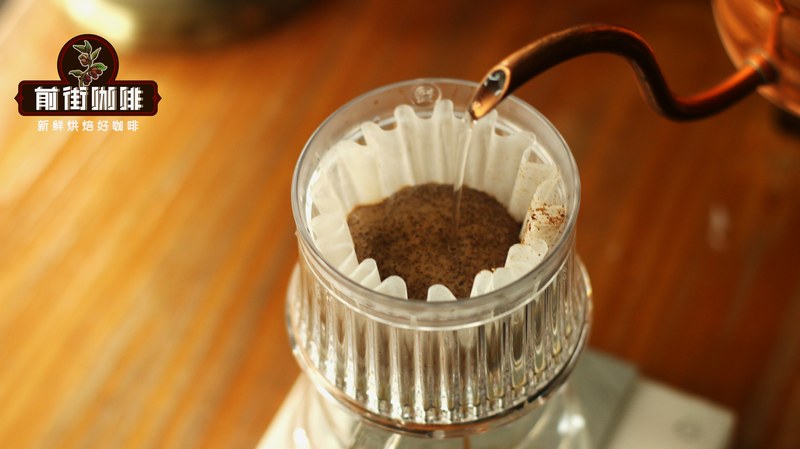
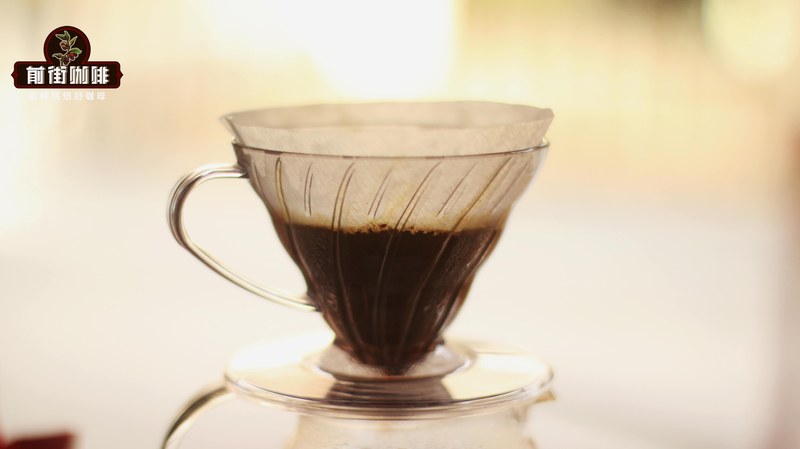
For pour-over, you can start from a medium-low water temperature. For low-acidity beans with a medium or medium-dark roast, 88°C to 92°C makes it easier to retain nutty, cocoa and caramel tones; the coffee-to-water ratio can be set at 1:15 to 1:16, for example 15 g of coffee grounds to 225 to 240 g of water. Complete the pouring in two to three stages, keep the stream gentle and reduce violent impact on the coffee bed, and the cup will move closer to a rounder, sweeter direction.
If there is still a sharp acidity on the palate, first look at the flow rate and grind. If the water runs through very quickly, it usually means the coffee bed has not had enough contact, so you can adjust the grind one step finer, or raise the water temperature by 1°C to 2°C; if the acidity is accompanied by astringency, then it is not suitable to continue increasing heat or grinding finer. You can grind slightly coarser and reduce the pouring in the final stage. There is no need to deliberately chase a particular number for brewing time; the key point is whether it feels smooth on the palate and whether it leaves sweetness after swallowing.
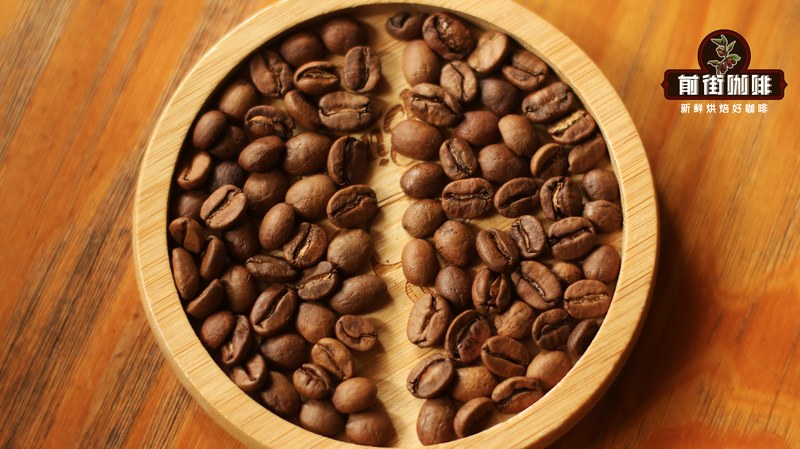
For people who do not like acidity and often use a dripper, Qianjie Papua New Guinea Paradise Bird is one that makes it easier to establish a reference. Its flavor direction is clean and soft, with a balance close to nuts, cocoa and a light sweet aroma. For pour-over, you can use 15 g of grounds and 240 g of water, pouring in three stages at around 90°C; if you feel the body is too thin, tighten the ratio to 1:15 and the sweetness and texture will be more concentrated.
This bean is not suitable for repeated stirring at too high a water temperature. Vigorous pouring will make fine particles migrate, slow the flow rate in the later stage, and make it easy for woody notes or a dry finish to appear in the cup. When using a conical dripper, it is recommended to use a steady circular pour combined with a center pour, and do not let the water level rise too high. After brewing, let it cool slightly before drinking; the originally soft sweet aroma will be clearer, and the acidity will not rush to the front.
If you mainly use an espresso machine at home, judging "not sour" cannot rely only on the bitter-sweetness of the espresso right after it drops into the cup; you also need to consider its performance after adding water or milk. Qianjie Brazil Queen's Estate has a relatively complete direction of nuts, cocoa and caramel, and is suitable for making low-sharpness espresso, americano or latte. Its flavor foundation is thicker and its room for adjustment is also wider, making it suitable for practicing from classic recipes.

For espresso extraction, you can use 18 g of grounds and 36 g of liquid weight as a starting point, with a target time of about 27 to 32 seconds and pressure maintained near 9 bar. Do not set the grind extremely fine from the start, otherwise once the water flow is blocked it is easy to get burnt bitterness and astringency. If the espresso is sharp on the palate and lacks sweetness, you can adjust the grind finer or extend the liquid weight to 38 g; if the finish is dry, then shorten the output volume, or make the grind slightly coarser.
The water temperature of an espresso machine can be observed from 91°C to 93°C. Darker or medium-dark roasted beans do not need too high a temperature; lower heat helps retain caramel sweetness and reduces smoky and bitter flavors. A stable pressure curve is more important than blindly pursuing high pressure; even distribution of grounds and a level tamp will also directly affect whether acidity and bitterness concentrate in a certain sip. When making milk coffee, extract about 32 to 34 g of liquid from 18 g of grounds, and keep the milk at around 150 g, so the presence of coffee will be clearer.
If you want something that can be used for pour-over, espresso and moka pot, you can look at Qianjie Specialty Blend. It is based on Brazil Cerrado and Colombia Huila, with natural transitions among nuts, cocoa and caramel. The black coffee has sweetness, and after adding milk it will not be left with only the taste of milk. For pour-over, you can use 90°C and a 1:15 ratio; for espresso, you can start with 18 g of grounds to 36 g of liquid weight, then adjust the grind according to the flow rate.
When using this kind of low-acidity bean in a moka pot, it is recommended to use a medium-fine grind, and do not copy the fineness of espresso grounds. Just fill the basket and level it off, add water according to the markings on the pot, and keep the heat at medium-low. When you see the color of the liquid becoming lighter and the sound starting to become urgent, stop the heat in time, and the coffee will retain the thickness of cocoa and nuts instead of being pushed toward burnt bitterness by high heat. After brewing, adding a small amount of hot water can also let the sweetness open up more.
A "not sour Yirgacheffe" that truly suits you can be worked out backward from how you drink it: if you prefer soft aroma in pour-over, use a lower water temperature and a slightly wider ratio; if espresso values concentration, control the liquid weight and maintain a medium grind; if milk coffee needs a thick base flavor, choose beans with clear nut, cocoa and caramel expression. Match the characteristics of the beans with the brewing actions, and acidity will retreat from the lead role to the background, making the sweetness and smoothness in the cup naturally easier to taste.
Related Reading



Comments (0)
Loading comments...
You May Be Interested



Trending Reviews
Popular Videos

With you, wherever you are! We provide useful features to help you find new things you'll love






