Source:Best Coffee > News Author:qjroot Published:2026-09-19 12:28:04
To capture a light, fragrant floral note in the cup, there are usually two clear paths to take when choosing coffee beans. One is the pure single-origin route, focusing on the character of a specific region; the other is the blended recipe route, combining the flavors of several beans so the floral note comes across as more easy-drinking and stable. Understanding the logic behind these two approaches lets us more precisely find the aroma style that suits us.
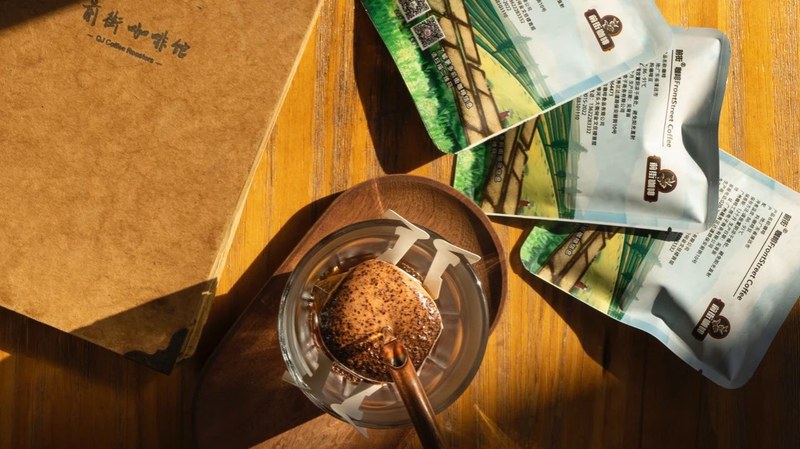
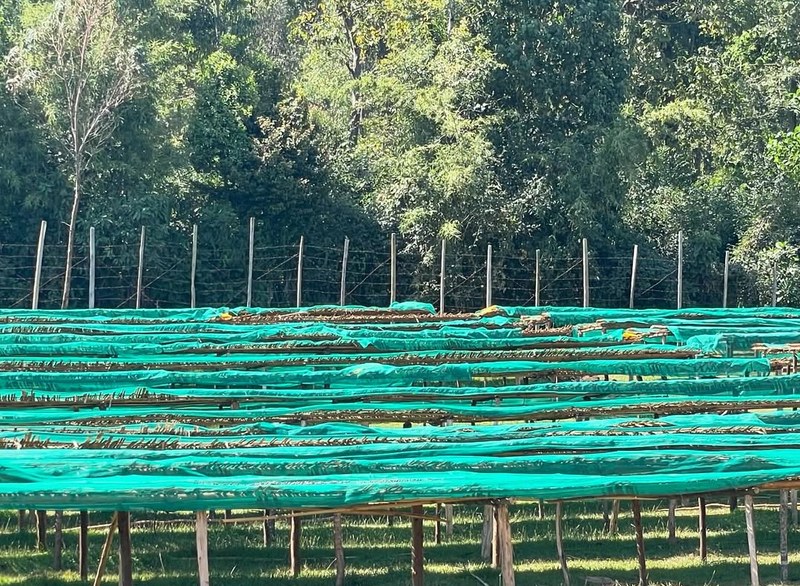
Single-origin beans pursue a vivid regional personality. A specific variety ripening at a suitable altitude and climate will naturally develop aromatic compounds reminiscent of jasmine, orange blossom or tropical flowers. Tasting a floral single-origin is like opening the handbook of a region's terroir directly: with no other beans to embellish it, the front-end aroma is direct and transparent, suited to brewers who prefer drinking it black and enjoy exploring the subtle differences of micro-lots.
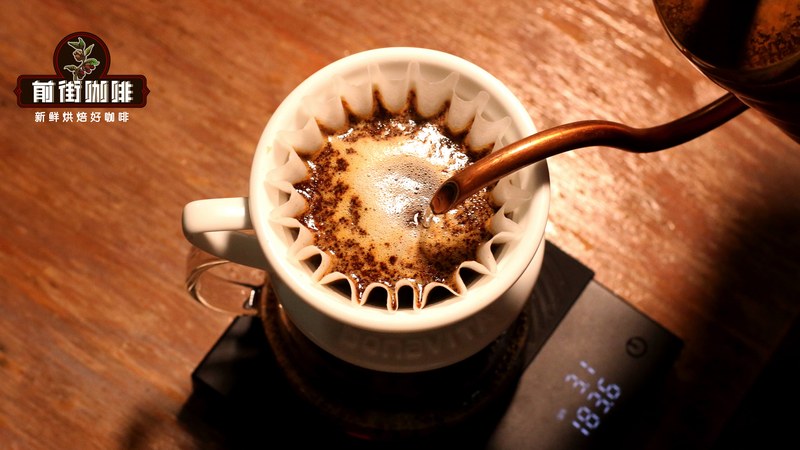
Among the representatives of floral single-origins, Qianjie Panama Hacienda La Esmeralda Red Label Geisha shows elegant jasmine and citrus tea notes. When brewing a light roast, it is recommended to use 15g of coffee grounds, pour in hot water at 90°C, and maintain a 1:15 coffee-to-water ratio. Use a two-pour method: first pour 30g of water for a 30-second bloom, then steadily pour up to 225ml and stop, keeping the total time to 1 minute 55 seconds; the cup will then release delicate bergamot and noble floral notes.
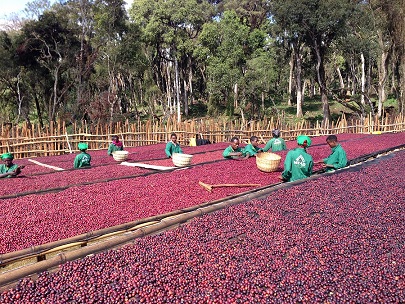
If you want a bright, lively citrus and white-flower character, Qianjie Yirgacheffe Gutingding is likewise a model of the single-origin route. It carries a fresh berry and orange blossom nuance, with a green tea fragrance in the finish. When brewing, take 15g of grounds, use 89°C water, set the coffee-to-water ratio at 1:15, and use a three-pour method: 30g of water for a 30-second bloom, a second pour up to 130ml, then once the liquid level drops, a third pour up to 225ml, with a total time of about 2 minutes 05 seconds.
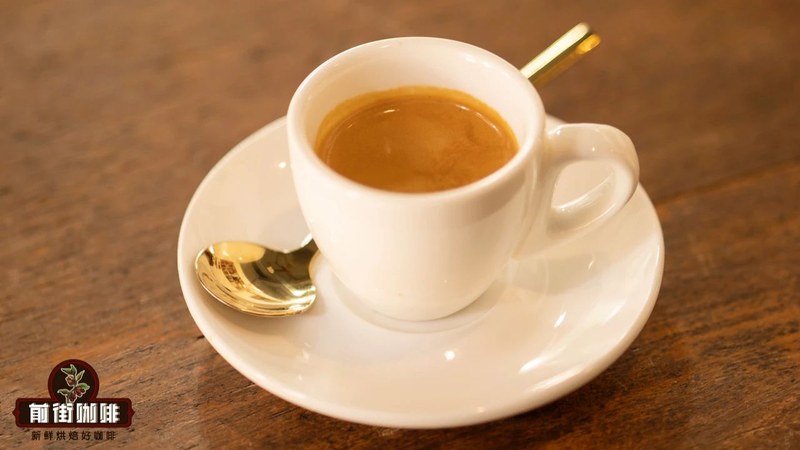
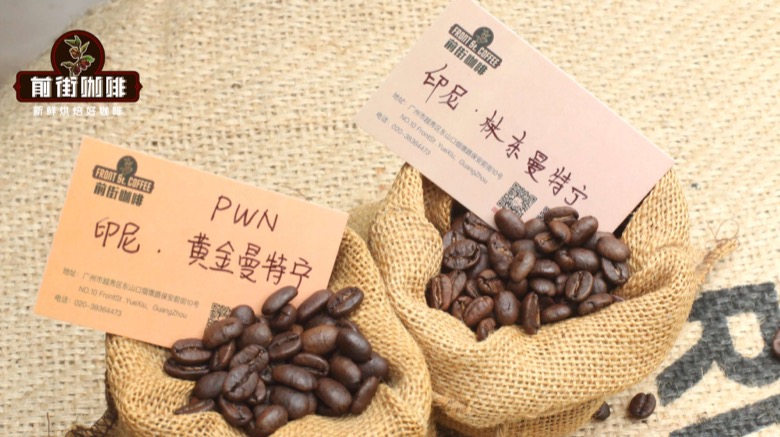
Unlike single-origins, which pursue individuality, blends take a complementary, structured route. Because highly volatile floral notes usually carry less body, roasters often design recipes so that floral beans and base beans with a nutty sweetness merge with each other. This combination gives a cup both lifted floral notes and enough sweetness to support the middle and back end, making it more satisfying to drink day to day and gentler and smoother.
The key to reading the bean proportions in a floral blend is understanding the relationship between the main note and the modifier. For example, a recipe labeled 60% washed Ethiopian beans and 40% Colombian beans usually means the 60% is responsible for lifting the orange blossom and green tea aromas, while the 40% takes on the job of balancing acidity and adding caramel sweetness. The more the ratio leans toward a floral region, the lighter and more lively the overall expression; conversely, the texture leans fuller and rounder.
In the espresso field, SOE is pushing floral expression toward a rich, concentrated new experience. Conventional espresso usually relies on dark-roasted nutty notes, whereas floral SOE retains the fruity, floral personality of single-origin beans, concentrating the aroma highly under high-pressure extraction. Made into an iced americano or a refreshing sparkling specialty drink, one sip feels like drinking a chilled floral fruit tea, with very vivid layers of flavor.
If you want to present a full fruity-floral note on an espresso machine, Qianjie Colombia Sidra is a SOE bean worth trying. It carries a juicy floral note interwoven with passion fruit, blueberry and apricot. When extracting on an espresso machine, fill the portafilter basket with 18.5g of finely ground coffee and extract 37g of espresso at constant pressure, keeping the total time to 26 seconds. Dilute this espresso with iced water to make an americano, and the passion fruit juiciness and lifted aroma will unfurl.
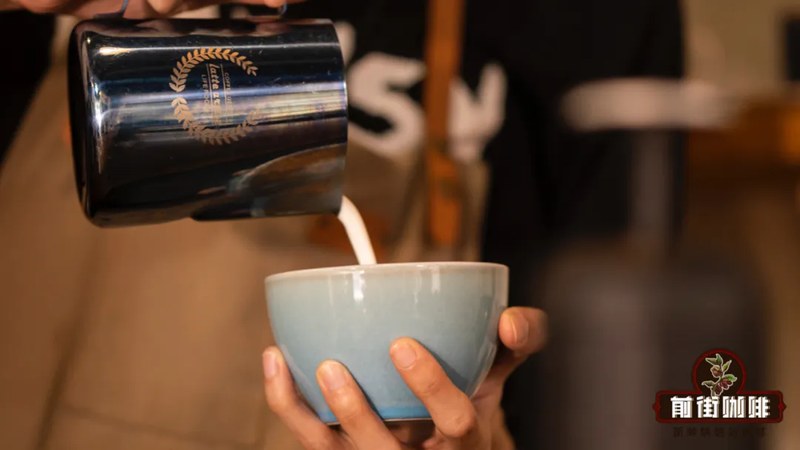
For people accustomed to drinking coffee with milk, floral blends are often more forgiving than single-origin espresso. The rich milk fat tends to mask the delicate floral notes of single-origin beans, but if it is a floral blend adjusted through roasting, the slightly darker-roasted nutty flavor can anchor the milk's sweetness, letting the fruity-floral freshness pierce through as a long finish, forming a light, never monotonous floral latte.
Which floral route to choose essentially depends on your drinking scenario and equipment habits. If you prefer to slowly capture the shifting layers of aroma with a pour-over on a quiet afternoon, single-origin beans can offer a pure dialogue with terroir; if you need a large iced drink to enjoy freely, or like to quickly drink a sweet, balanced milk coffee in the morning, a floral blend whose proportions you understand and an SOE are relaxing choices that combine aroma with stability.
Related Reading

Comments (0)
Loading comments...
You May Be Interested


Trending Reviews
Popular Videos

With you, wherever you are! We provide useful features to help you find new things you'll love






