Source:Best Coffee > News Author:qjroot Published:2024-11-21 18:36:05
At present, Brazil has firmly held the top spot in global coffee production for more than 150 years, producing about one third of the world's coffee each year. Brazilian coffee appears more often in espresso blends; at FrontStreet Coffee there are 5 espresso blends in total, and 4 of them include Brazilian coffee beans.
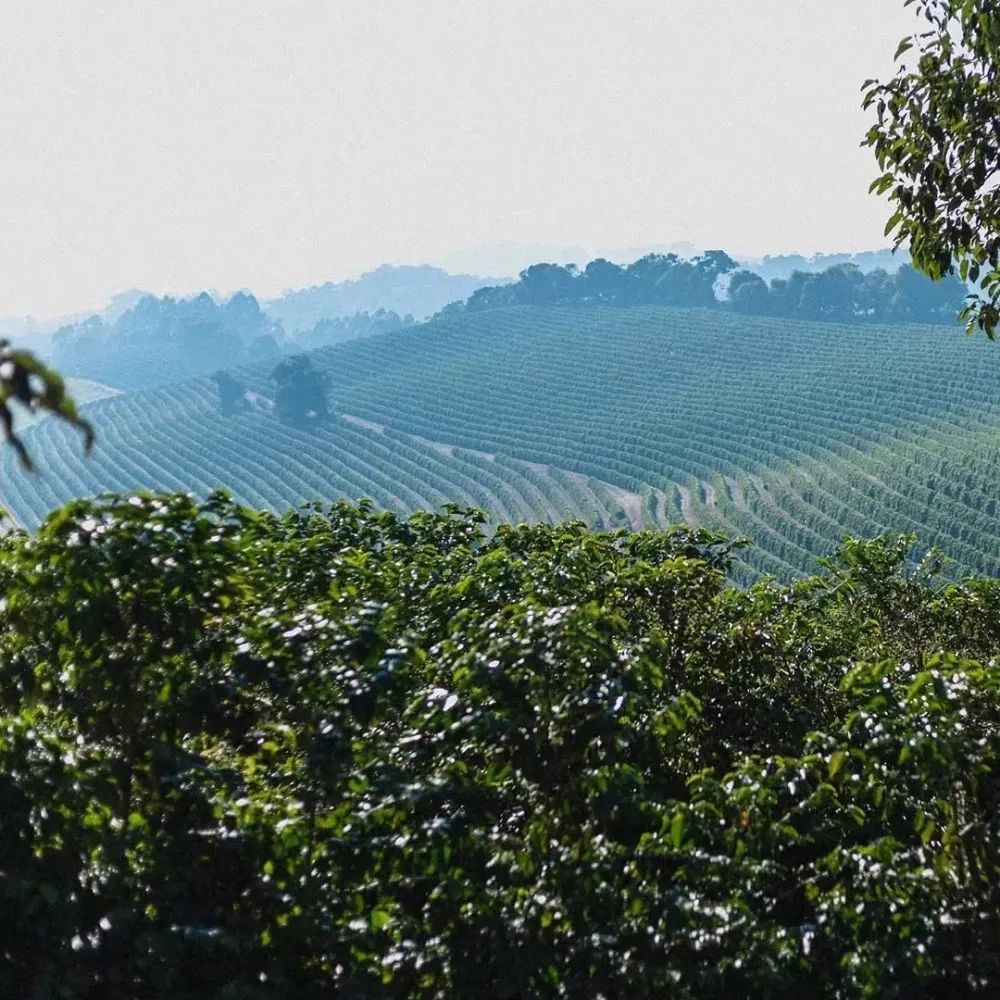
FrontStreet believes that the reason Brazilian coffee can so often appear in espresso blends is mainly that Brazil has large coffee production and low prices, while its quality and flavor are stable. Brazilian coffee has the typical flavor characteristics of American coffee, with a balanced flavor of cocoa and nuts, and a rich, mellow taste that can provide the fundamental base note for a cup of coffee.
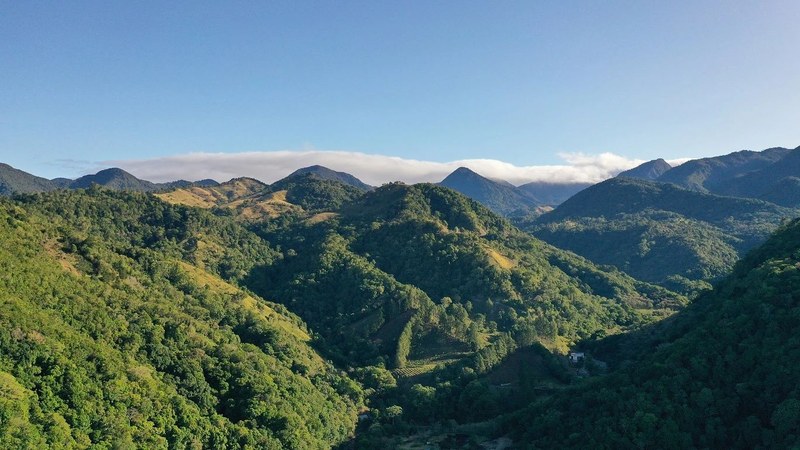
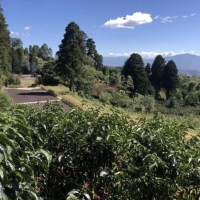
Brazils coffee production can be so large thanks to the countrys environment. Brazil is the largest country in South America, with a vast territory and abundant resources, and 17 of Brazils 26 states produce coffee. Coffee is mainly grown on the flat plateaus of south-central Brazil, at an altitude of about 1000 m, which is suitable for large-scale coffee cultivation. Here there is plenty of sunshine, a suitable climate, and fertile soil, making it suitable for agricultural cultivation such as coffee.
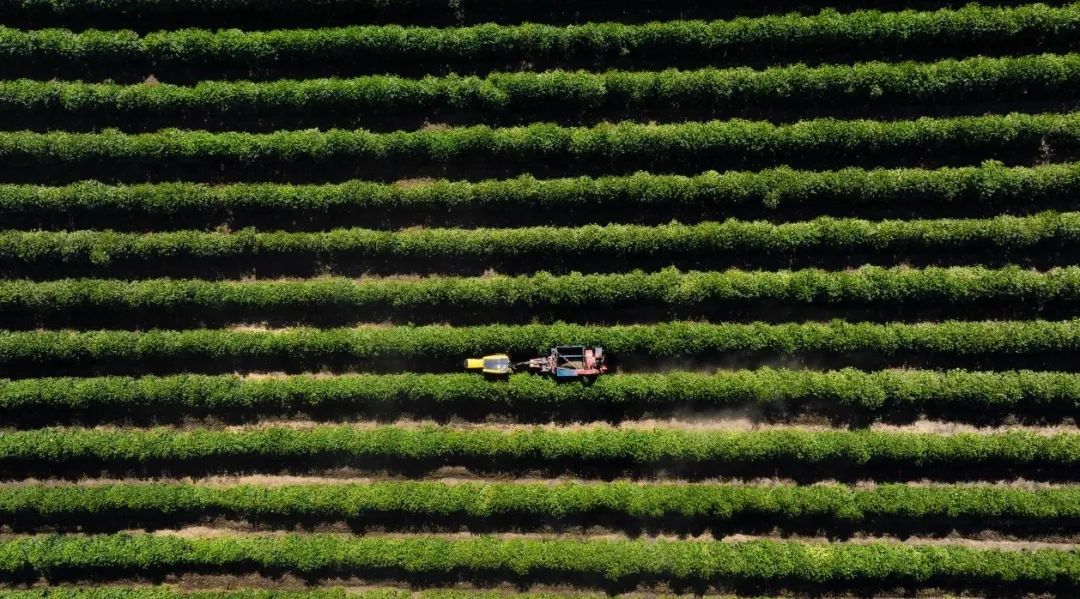
No other country comes close to Brazils scale of coffee production, and coffee estates in Brazil are usually larger than the large farms in other producing countries. Mechanical operations can also be carried out, with large machines working among the coffee rows, and there is also a huge irrigation system to replenish water for the soil and coffee plants. It can be said that Brazil is the most advanced country in the world and also the most dependent on industrialized coffee production.
Because of the relatively low altitude, relatively flat terrain, and lack of microclimates, the coffee trees are directly exposed to the sun without shade, so Brazilian coffee beans do not have the floral aroma and fruity acidity of Ethiopian coffee. Instead, they have a soft-bean flavor, low acidity, a heavy nutty flavor, and a fuller body.
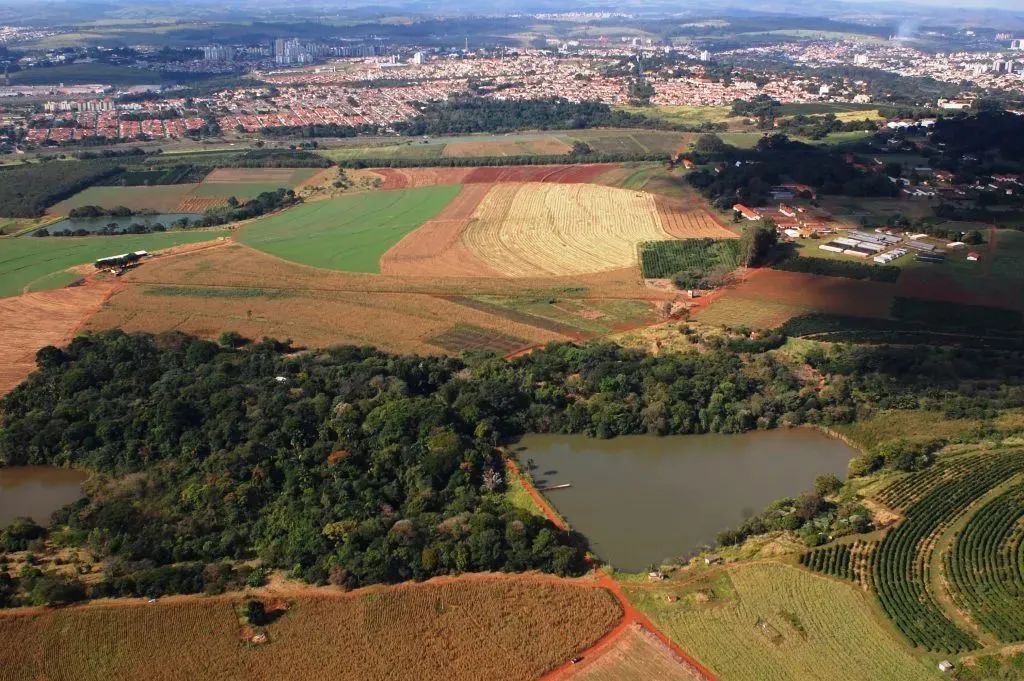
But Brazil does not single-mindedly pursue yield; it pursues coffee quality and flavor just as much. Brazilian farms and industry associations place great importance on research into quality and technology, such as the Campinas Agronomic Institute (IAC), an organization that has long focused on the conservation, genetic research and breeding of different plants and species, including coffee, which has put Brazilian coffee at the forefront of the world in areas such as genetic breeding and sustainable development, and has also provided much valuable experience and guidance to other countries.
As the first host country of the well-known specialty coffee competition Cup of Excellence (COE), Brazil also has some specialty coffee estates. Most specialty coffee estates in Brazil are located in the mountains of sub-regions such as Alta Mogiana, Cerrado and Sul de Minas. These areas are at higher altitudes, and unlike other low-altitude regions of Brazil where coffee can be harvested mechanically on a large scale, harvesting here is mainly done by hand.
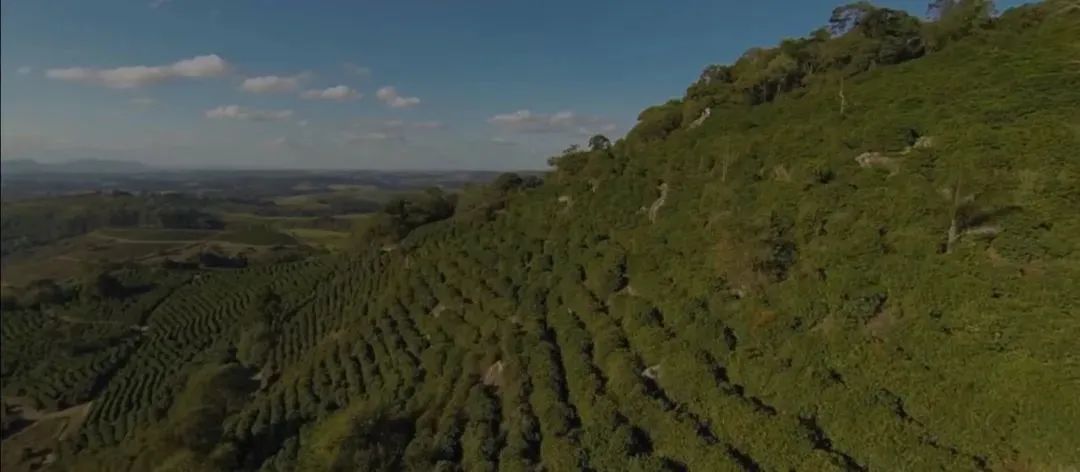
Best Coffee's Brazilian specialty coffee beans come from Fazenda Rainha in the Alta Mogiana region. This estate has won many awards and placings in several coffee competitions in Brazil, including the COE. It has always placed great importance on environmental protection and sustainable development, and is known for producing the high-quality specialty Yellow Bourbon variety.
After the coffee beans are harvested, the semi-washed process invented in Brazil is used. In this process, the coffee cherries are harvested, washed, and then the pulp and skin are removed by machine, after which they are sun-dried directly.This method reduces water use, allows more precise control of the sun-drying process, lowers the risk of fermentation, and saves time and cost. This process was later borrowed and improved by other American producing countries, becoming the honey process.
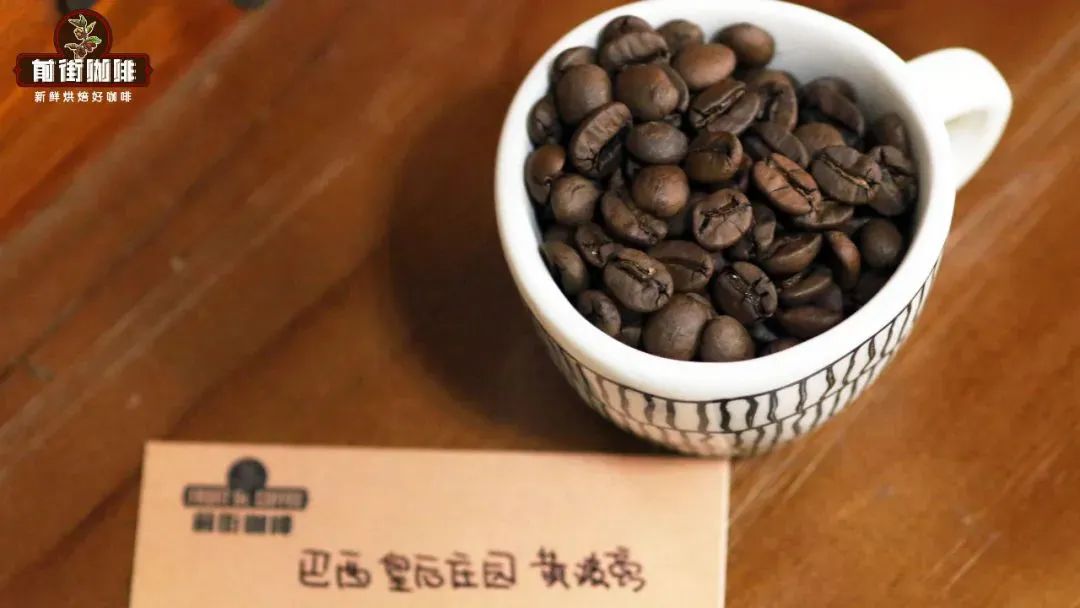
This Yellow Bourbon coffee bean produced at Queen's Estate has a fruity sweetness on the palate after brewing, with notes of sugarcane, chocolate and peanut nuts, a faint clean bitterness, and a smooth, delicate mouthfeel, making it suitable for coffee lovers who are not so fond of acidity and want a nutty, balanced and harmonious flavor.
To learn more coffee origin news and information, please scan the QR code to follow: Kaping
Long-press the QR code to follow:

Related Reading


Comments (0)
Loading comments...
You May Be Interested



Trending Reviews
Popular Videos

With you, wherever you are! We provide useful features to help you find new things you'll love






