Source:Best Coffee > News Author:qjroot Published:2026-08-17 16:24:13
Coffee beans on the shelf, with packaging that casually says "anaerobic natural" "double fermentation" "winey". They are all coffee beans, so why do some smell like strawberry jam, and some like fermented fruit wine? Special processing methods are quietly changing our imagination of coffee flavor, and this article helps you understand it clearly.
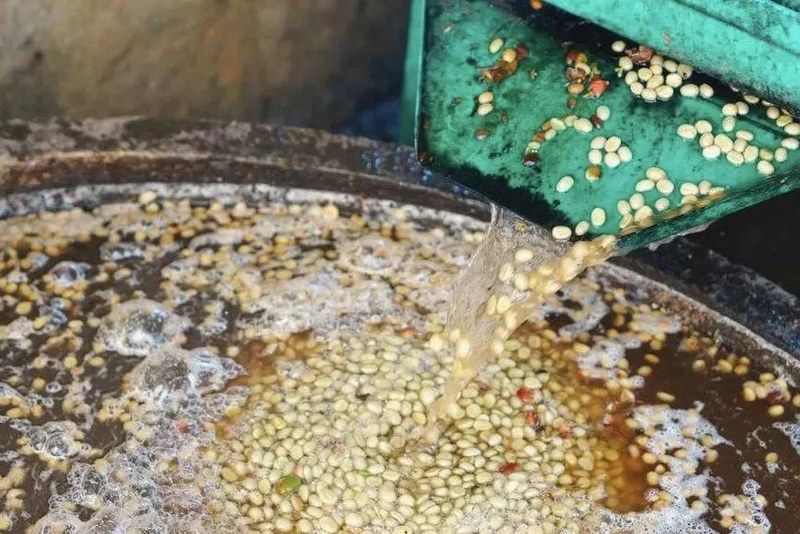
After coffee cherries are picked, they must be processed before the green beans inside can be removed. There are mainly two traditional processing methods: natural drying spreads the whole fruit out to dry, the sugars in the pulp seep into the beans, and the flavor tends to be sweeter and fuller; washed processing removes the pulp and then ferments in water, giving a cleaner and brighter flavor. Special processing methods do not start from scratch, but control the fermentation step more precisely - using sealed containers to block out oxygen and create an anaerobic environment, or extending fermentation time and fermenting in stages, to push the flavor in a specific direction.
Double fermentation is a very popular technique in recent years, meaning fermentation is carried out in two stages. Qianjie Kenya Small Tomato uses Kenya's characteristic 72-hour double washed fermentation, fully stimulating the fruit aroma while keeping the mouthfeel very clean, so drinking it gives both the bright, solid acidity of cherry tomatoes and black plum, and no unpleasant off-flavors. Qianjie Colombia Papayo uses double anaerobic natural processing, plus a medium-light roast, so the dry aroma has notes of jasmine and citrus, and on the palate the juicy feel of passion fruit, blueberry, grape, and apricot unfolds layer by layer, with a lasting cocoa sweetness in the finish.
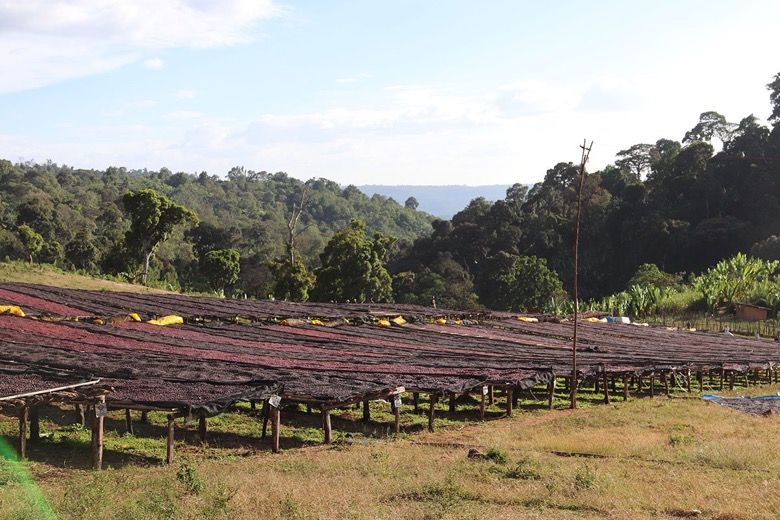
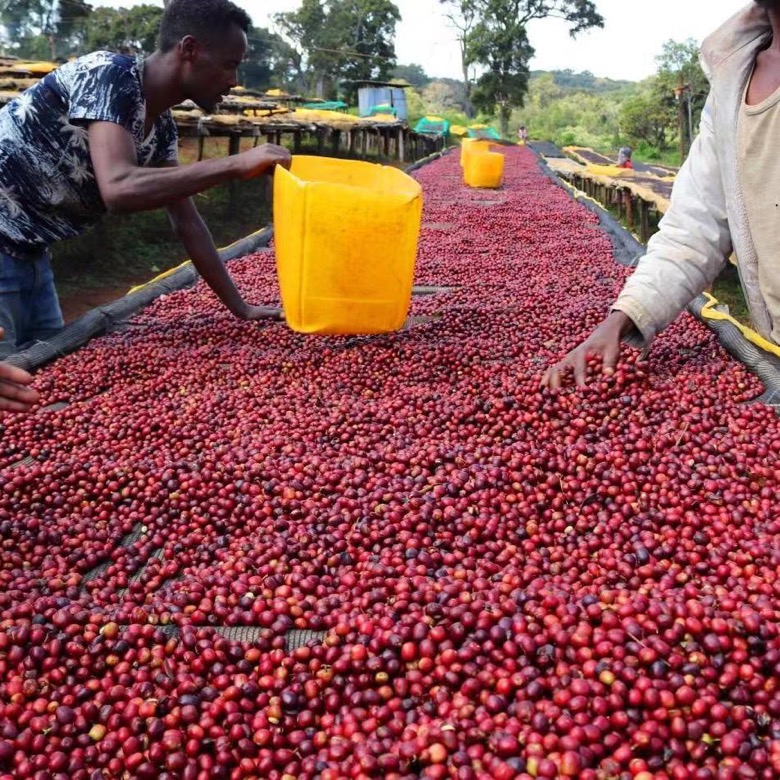
Natural drying looks simple, but in practice it demands a lot from the weather and from patience. Qianjie Granja Estate Geisha comes from the Guji region of Ethiopia; the coffee cherries are hand-sorted, leaving only fully red ripe cherries, and then undergo 14 to 20 days of slow natural drying, allowing the sugars in the mucilage to fully seep into the center of the bean, for a solid, rich sweetness. Qianjie 2013 Yunnan Natural Typica is another scene altogether, with citrus and caramel aromas interwoven, and a medium-dark roast bringing a little nut, chocolate, and brown sugar flavor, with very harmonious layers.
You can choose beans by taste: if you like winey, tropical-fruit-like complex layers, Qianjie Colombia Papayo is worth trying; if you prefer clean, bright fruit acidity with balanced sweet and sour, Qianjie Kenya Small Tomato stands out; if you want natural beans with solid sweetness and a long finish, Qianjie Granja Estate Geisha is very suitable. It is worth noting that special processing methods have higher flavor recognition, and you should also pay attention to whether they come from a clean processing environment; origins with a stable reputation are more reliable.
The same coffee cherry, through different fermentation paths, can develop completely different flavors. Next time you choose beans, you might as well start with a double-fermented or natural bean, and get one step closer to the world of coffee flavor.
Related Reading

Comments (0)
Loading comments...
You May Be Interested


Trending Reviews
Popular Videos

With you, wherever you are! We provide useful features to help you find new things you'll love






