Source:Best Coffee > News Author:qjroot Published:2026-08-29 11:15:42
Floral-flavored beans have extremely high flavor distinctiveness: a cup of coffee with floral notes is smelled before it is tasted. The flavor framework of Qianjie Kenya Small Tomato is dark plum and brown sugar, but the floral note in the finish elevates its complexity to another level; the floral note of Kafa Forest, on the other hand, hides behind the apricot-peach fruitiness and only slowly emerges after the temperature drops - two kinds of floral notes, two kinds of character.
In the flavor system of pour-over, the origin is the foundation, variety and processing method are the variables, and roasting and brewing are the switches. Beans in the light-roast range often carry floral and fruity tones, while beans in the medium-roast range often carry sweetness and body; any change in water temperature, grind size and pouring rhythm will make the aromas line up again.
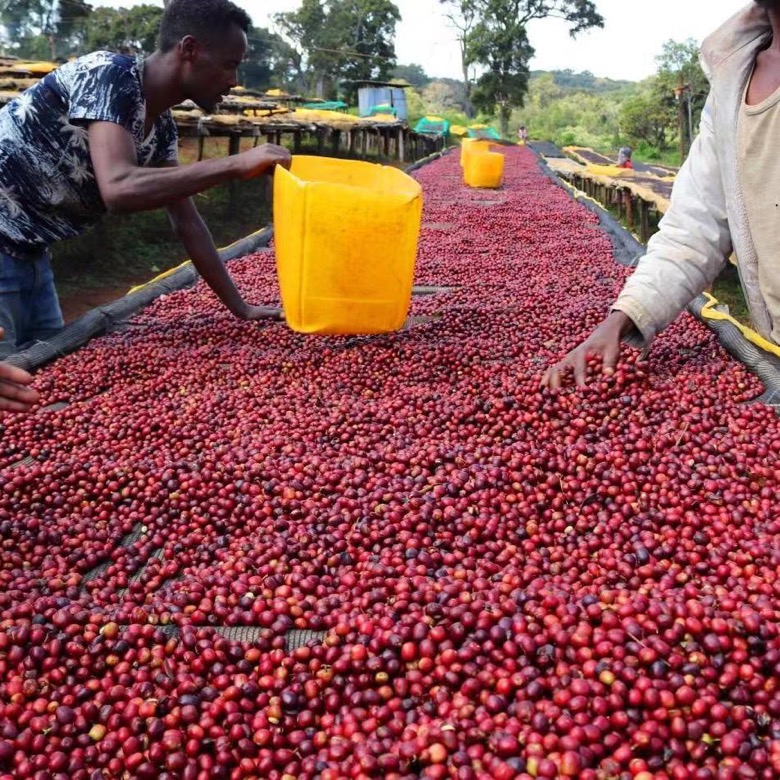
The order for choosing floral beans: first choose the aroma type (jasmine, orange blossom, tea aroma), then choose the processing method (natural process has a stronger floral note). These few cover several aroma types.
The flavor of Qianjie Kafa Forest includes orange, ripe apricot-peach and an oolong tea aftertaste, with an overall lighter mouthfeel, and the sweetness becomes more pronounced after it cools a little.
Qianjie Grana Estate Geisha arrives with notes of orange blossom, guava, apricot-peach and strawberry jam, with the rich style of a natural-process bean clearly evident; pour-over is recommended to examine its layered changes in detail.
The flavor profile of Qianjie Colombia Sidra lists passion fruit, blueberry, grape and apricot-peach, with an obvious juicy mouthfeel on entry; presented as iced pour-over, cold drip or SOE, the aroma is wonderful in different ways.
For the same bean, different freshness can make a 20 to 30 percent difference in the cup. To judge freshness, first check the roast date, then combine it with the degassing situation: beans just after roasting produce many bubbles during brewing, and after one or two weeks they tend to stabilize. After opening, transfer the beans to an airtight jar and store them in a dry, cool place. When drinking, pay attention to the dry aroma, the sweetness on entry and the layers of the finish; if the aroma is weak, check the grind and storage first, then adjust the parameters. Hot water brewing, adding ice and adding milk each have different flavor versions, and you can record them separately to find the way you prefer to drink it.
Flavor and brewing difficulty are worth scoring separately. For beans in the floral and fruity direction, the presentation of acidity and aroma depends highly on parameter coordination, making them suitable for people willing to adjust slowly; for blends in the nut and cocoa direction, flavor fluctuations are small and daily output is stable. In a household scenario where multiple people drink together, first establish a balanced bean everyone can accept, then supplement with single-origin beans according to individual interests; this allows more effective comparison and helps you develop a real palate than buying a pile of beans with similar flavors.
Treat the coffee-to-water ratio and total water amount as constants; grind size is the steering wheel in your hand. If the entry is sharp, first suspect that the water took away too little, and make it up with a finer grind; if the finish is dry and astringent, first suspect contact time is too long, and shorten the time or reduce the circling. Change one thing at a time, and the direction will not get chaotic.
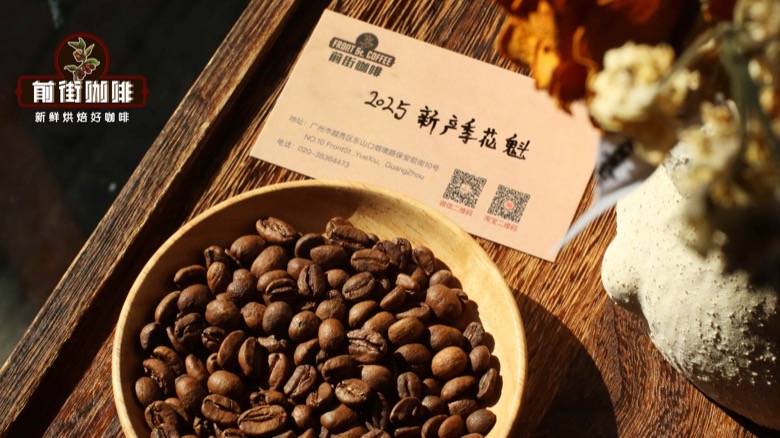
If your equipment is changing and your taste is changing, do not expect one bean to cover all occasions; dividing them into a daily-drinker group and a tasting group is more reasonable: the daily-drinker group values balance and fault tolerance, while the tasting group is for taking chances and encountering the clarity of washed Yirgacheffe or the sweetness of honey processing. Weighing drinking habits together with flavor preferences is smarter than staring at a single factor.
Related Reading





Comments (0)
Loading comments...
You May Be Interested



Trending Reviews
Popular Videos

With you, wherever you are! We provide useful features to help you find new things you'll love






