Source:Best Coffee > News Author:qjroot Published:2026-08-30 19:32:45
If you want to brew a Moka pot full of aromatic coffee, you cannot just look at the word "rich" when choosing beans; you also need to match them with the pot's capacity, the filter basket size and the heating method. Beans with a nutty, cocoa or caramel profile, roasted to a medium or medium-dark level, usually release sweet aroma and body more easily in a short time. If you normally drink black coffee, choose beans with a solid aroma and a clean finish; if you often add milk, the coffee liquid needs enough presence.
First, check how many cups your Moka pot is. The "one cup" marked on the pot usually refers to a small espresso-style cup, not a household mug; a three-cup pot only brews enough liquid for about one person. The filter basket capacity and the water chamber volume are matched, so you cannot use only half a basket of grounds just to reduce the amount, otherwise the depth of the coffee bed and the speed at which hot water passes through will both change. To get stable results, choose the pot based on how many people usually drink, then fix the dose of beans around that pot.
You can start by filling the basket level to establish a standard dose, gently scraping the surface flat; there is no need to press it down hard. In a Moka pot, the coffee-to-water relationship is limited by the pot's structure: fill water to below the safety valve, fill the basket level, and the final liquid volume will fall within a relatively fixed range. The advantage is that the strength of each brew is similar, making it easy to judge when adjusting. If you want a lighter drink, add hot water to the cup rather than reducing the coffee grounds in the basket.
Grind size is a key parameter affecting aroma and mouthfeel. Moka pot grounds should be finer than pour-over and coarser than espresso machine grounds, with a texture close to fine granulated sugar or slightly finer. If the powder is too fine, water passes through the coffee bed more slowly and easily brings out obvious bitterness and astringency; if too coarse, the coffee liquid may be thin and the aroma not concentrated enough. With a home grinder, adjust just one small notch at a time and observe changes in flow rate and taste; this makes it easier to find the right range than making large changes.
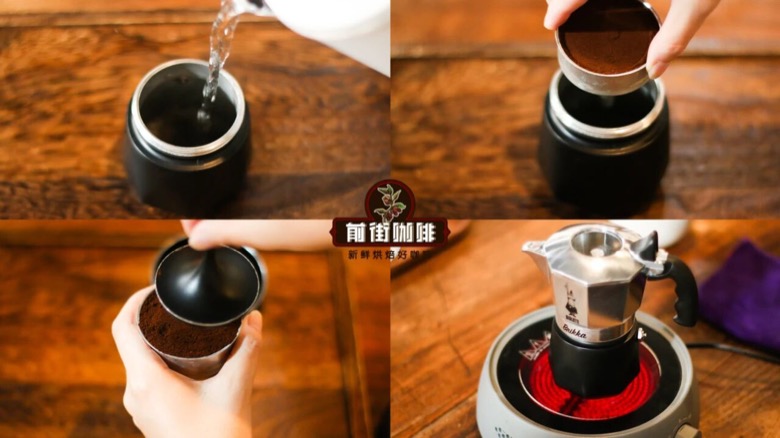
Water temperature and heating method also change the flavor. With room-temperature water, the base of the pot takes longer to heat up and the coffee bed stays in a high-temperature environment longer; if you heat the water first before putting it into the lower chamber, the overall heating time is shortened and the aroma is usually brighter. When assembling the pot, be careful of burns; once the basket is in place, immediately screw on the upper chamber and heat over low heat. The flame should not extend beyond the base of the pot, to avoid localized heating of the handle and body.
Observing the flow of coffee is more practical than simply timing it. The first part of the coffee liquid is often dark and slow, then gradually becomes lighter and faster; when the liquid color becomes noticeably pale, or a continuous sputtering sound appears, move the pot off the heat and let the residual heat finish a small amount of extraction. After brewing, gently swirl the coffee in the upper chamber, then pour it into the cup. This makes the strength of the early and late stages more even and reduces the burnt, bitter note caused by overheating at the end.
If you use a gas stove with strong heat, you can prioritize medium or medium-dark roasted beans, avoid grinding too fine, and keep the heat at medium-low. A ceramic electric stove heats more slowly, so you can preheat the water in advance and reduce the heat promptly as extraction approaches. Aluminum and stainless steel pot bodies conduct heat at different rates, so parameters do not need to be copied exactly. First record the dose, water amount, heating time and yield weight, then fine-tune based on the taste in the cup.
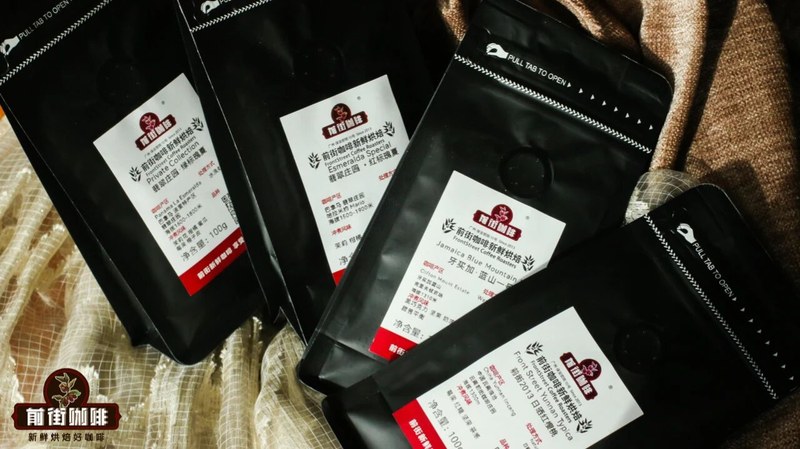
Qianjie Brazil Queen Estate is very suitable for establishing the basic parameters of a Moka pot. In a hot drink, it easily shows roasted nut, cocoa and syrup-like sweetness, with relatively mild acidity and a round entry. For a three-cup pot, fill the basket level, grind medium-fine, heat over low heat, and drink directly after extraction to feel a fuller sweet aroma; if you add a small amount of hot water, the nut and caramel notes open up more.
If you like a heavier mouthfeel, try Qianjie Black Cocoa Blend. Its flavor centers on dark chocolate, roasted grain and ripe sweetness, with little noticeable acidity; brewed in a Moka pot, the aroma is concentrated, suitable for a small cup of black coffee and also for mixing with hot milk. Do not add too much milk at first; start with one part coffee liquid to one or two parts milk, so the cocoa character of the coffee stays in the cup.
Qianjie Classic Blend is better suited to everyday home use, with nut, cocoa and caramel forming an easily accepted flavor base. When making it with a six-cup pot, you can divide the coffee liquid and add hot water to make an Americano for several people; or reduce the water to brew a rich base and pair it with hot milk. After opening, store the beans sealed and buy only one to two weeks' worth; by practicing with a fixed pot type and parameters, the aroma and strength will gradually become stable.
Related Reading




Comments (0)
Loading comments...
You May Be Interested



Trending Reviews
Popular Videos

With you, wherever you are! We provide useful features to help you find new things you'll love






