Source:Best Coffee > News Author:qjroot Published:2024-05-01 19:02:42
In recent times, East African countries such as Kenya, Tanzania, and Burundi have been hit by continuous heavy rainfall, triggering disasters such as floods, landslides, and mudslides, causing severe losses in multiple East African nations.
Currently, Kenya has suffered considerable damage. On April 27, a Kenyan government spokesperson released a report stating that recent heavy rains had caused flooding, affecting 130,000 people in Kenya so far, with thousands of houses washed away and roads and bridges damaged.
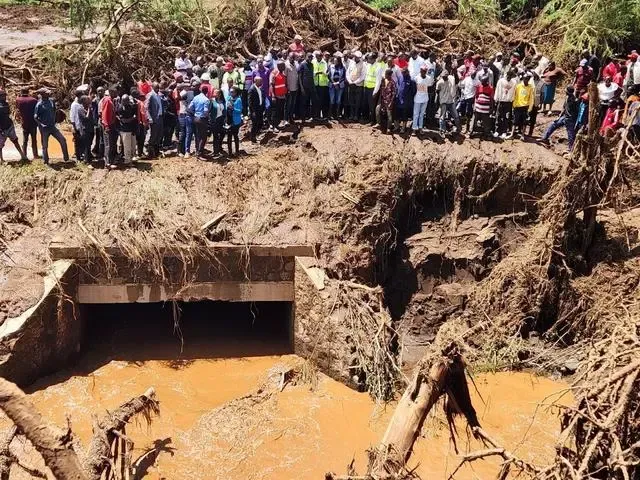
Additionally, the total death toll from the heavy rainfall so far has reached 76. However, it is expected that more casualties will be discovered after the floodwaters recede. According to data from the Kenyan Meteorological Department, this round of heavy rainfall is expected to continue until May 6.
However, on the 29th, Kenyan police reported that a dam had burst north of Nairobi, Kenya’s capital. Later, the Kenyan Ministry of Water Resources (CS) reported that the flood was caused by a blockage in a river channel under a local railway embankment.
For a long time, East African countries such as Kenya, Tanzania, and Burundi have been hit by continuous heavy rainfall, triggering disasters such as floods, mudslides, and landslides, causing severe losses in many East African countries. Currently, Kenya has been severely affected. On April 27, a Kenyan government spokesperson released a report stating that recent heavy rainfall in Kenya has triggered floods, affecting 130,000 people, washing away thousands of houses, and damaging roads and bridges. In addition, the total death toll from the heavy rainfall so far has reached 76, but it is expected that more casualties will be discovered after the floodwaters recede. According to data from the Kenyan Meteorological Department, this round of heavy rainfall is expected to continue until May 6. However, on the 29th, Kenyan police reported that a dam had burst north of Nairobi, the capital of Kenya, but later the Kenyan Ministry of Water Resources (CS) reported that the flood was caused by a blockage in a river channel under a local railway embankment. The flood occurred in Nakuru County, north of the capital Nairobi. As the flood rushed down from the mountains during the night, it resulted in at least 45 deaths and over 110 injuries, cutting off roads, and sweeping away a large section of railway track, an embankment, and trees down the hillside, causing considerable economic losses."https://v3.coffeecdn.cn/uploadfile/202405/4ed79d55698b36a.png" alt="image" style="margin: 0px; padding: 0px; outline: 0px; vertical-align: bottom; box-sizing: border-box !important; overflow-wrap: break-word !important; height: auto !important; width: 677px !important; visibility: visible !important;"/>
In addition, the crisis is not yet over. According to a report from the Water Resources Authority of Kenya (WARMA), seven hydroelectric dams in Kenya are currently operating at full capacity, with water levels reaching their highest in recent years and being discharged downstream. However, this has increased the risk of dam overflows and potential collapses, which could trigger floods. Therefore, communities living near the dams are urged to remain vigilant and strictly follow the warnings and instructions issued by the authorities.
According to data from the Nairobi Coffee Exchange in Kenya, driven by the recent rise in international futures prices of Arabica coffee, domestic coffee auction prices in Kenya have also increased.
Some traders noted that due to heavy rainfall affecting multiple East African countries in recent weeks, coffee production in the next quarter is expected to decline, which may lead to further price increases in the future.
Pay attention to recent weather changes, especially flood warning alerts. Raise awareness of flood control and epidemic prevention, plan your travel reasonably, avoid disaster-prone areas, and prepare contingency plans. Strengthen flood and epidemic prevention measures in factories, campsites, residences, and other facilities, and evacuate to safe areas as early as necessary.
Related Reading







Comments (0)
Loading comments...
You May Be Interested






Trending Reviews
Popular Videos

With you, wherever you are! We provide useful features to help you find new things you'll love






