Source:Best Coffee > News Author:qjroot Published:2026-09-18 17:02:11
During the long, slow percolation of cold drip coffee, water quality plays an extremely key role as a carrier of flavor. Because cold drip stays at a low temperature throughout, there is no high-temperature energy from hot water to vigorously excite aromatic molecules, and the flavor compounds in the coffee grounds are dissolved out almost entirely by water molecules slowly. If the water used for the ice or the drip is well chosen, the fruitiness and sweetness in the cup become especially vivid and refreshing.
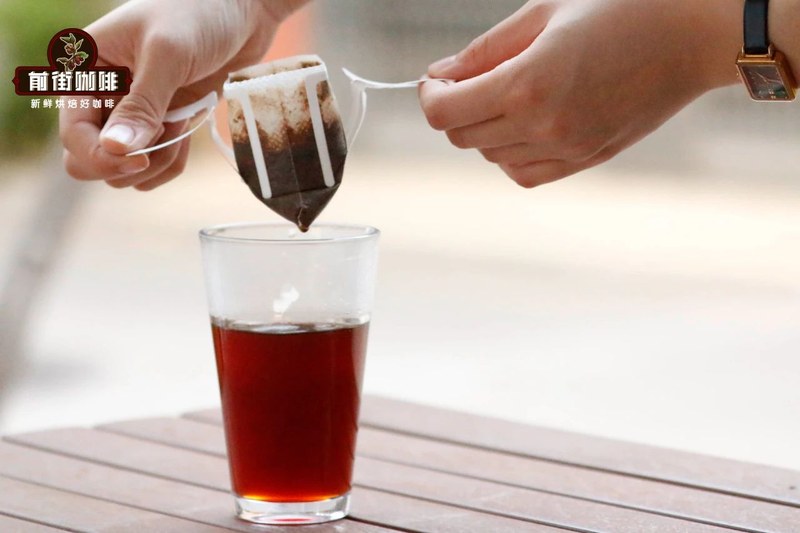
The total amount of minerals dissolved in everyday water is usually measured by TDS, and the content of calcium and magnesium ions directly determines the hardness or softness of the water. When calcium and magnesium ions are present in moderation, they can act like hands that draw out the complex acidity and sweetness in coffee; but if the water is too hard and the TDS value is on the high side, the mineral sensation that comes through easily suppresses delicate floral and fruity aromas, making the liquid extracted slowly at low temperature taste dull and muffled, unable to unfold its layers of flavor.
When making cold drip or brewing coffee at home, weakly acidic soft water with a TDS of around 40 to 80 is especially well suited, such as common natural purified water or spring water with a low mineral content. Using this kind of clean, crisp water to make ice cubes and as the drip water gives the coffee liquid a very high purity, letting the bright juiciness of light-roasted beans flow out briskly, while the finish also feels softer and longer.
When choosing coffee beans suited to cold drip, light-roasted naturally processed beans with a vivid tropical character often perform impressively, and Qianjie Ethiopia Huakui is a worthwhile example to try. This bean is rich in ripe strawberry, passion fruit and bright floral notes, with abundant sweetness. Under the gentle dissolving and percolating of soft water, low-temperature dripping avoids interference from impurities and keeps the full tropical fruit aroma in the cup, true to the original.
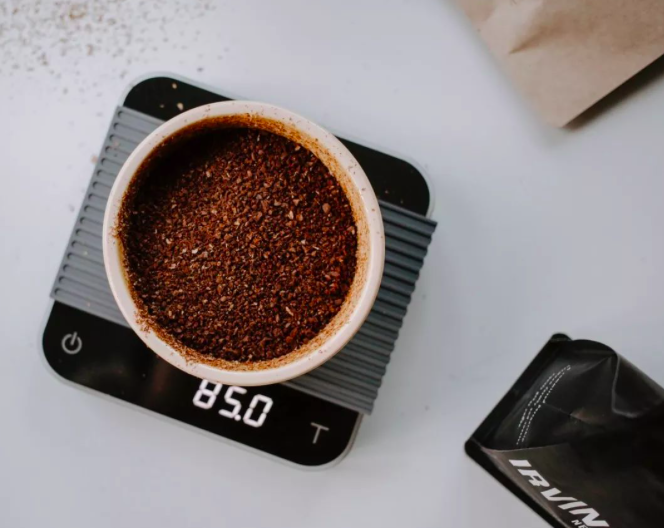
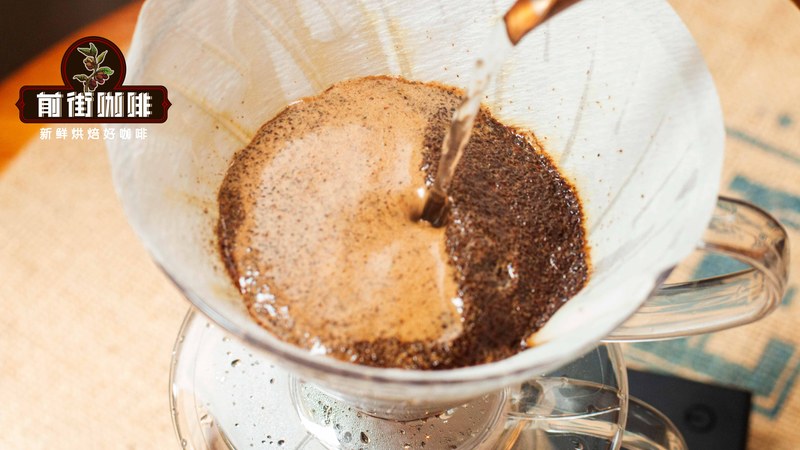
Before putting Huakui into the cold drip pot, first confirming its flavor direction and water condition with pour-over is a very helpful step. Use 15g of coffee grounds, pour in brewing water at 90°C, set the coffee-to-water ratio at 1:15, and pour a total of 225ml of water. First bloom with 30ml of water for 30 seconds, then pour in three stages, circling steadily until the water level drops evenly, with the whole process controlled at 2 minutes 05 seconds, which clearly brings out a lively berry sweetness.
If you prefer the heavy, juicy feel of berries and dark fruits, Qianjie Colombia Xizhua can bring a surprise. It has a flavor framework woven from blueberry, ripe grape and apricot, with very prominent sweet-and-sour notes. Paired with clean filtered soft water for slow dripping, it not only extracts a crystal-clear juice-like texture, but also, over several hours of icy steeping, sets off the complex fruit sweetness with a sense of dimension.
When testing the water-to-coffee performance of Qianjie Colombia Xizhua, a two-stage pour-over approach can be used for evaluation. Prepare 15g of grounds, use a slightly higher water temperature of 91°C, keep the coffee-to-water ratio at 1:15, and pour a total of 225ml of water. Bloom with 35ml of water for 30 seconds, then top up the water in two stages, with the total time controlled at 1 minute 55 seconds, and the full, juicy passion fruit and apricot notes in the cup will come rushing to the nose.
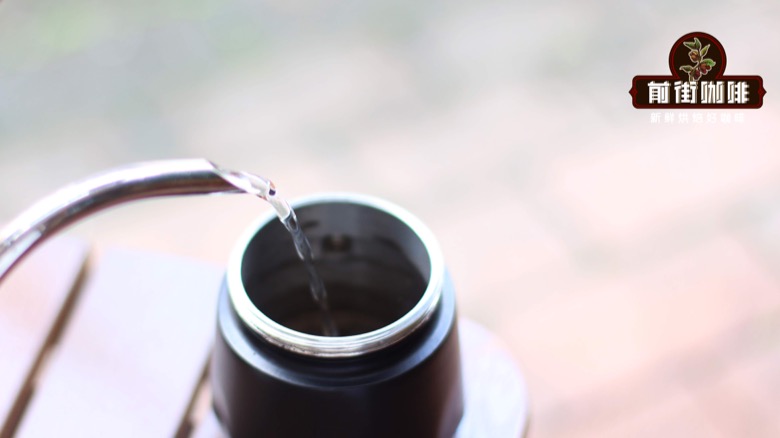
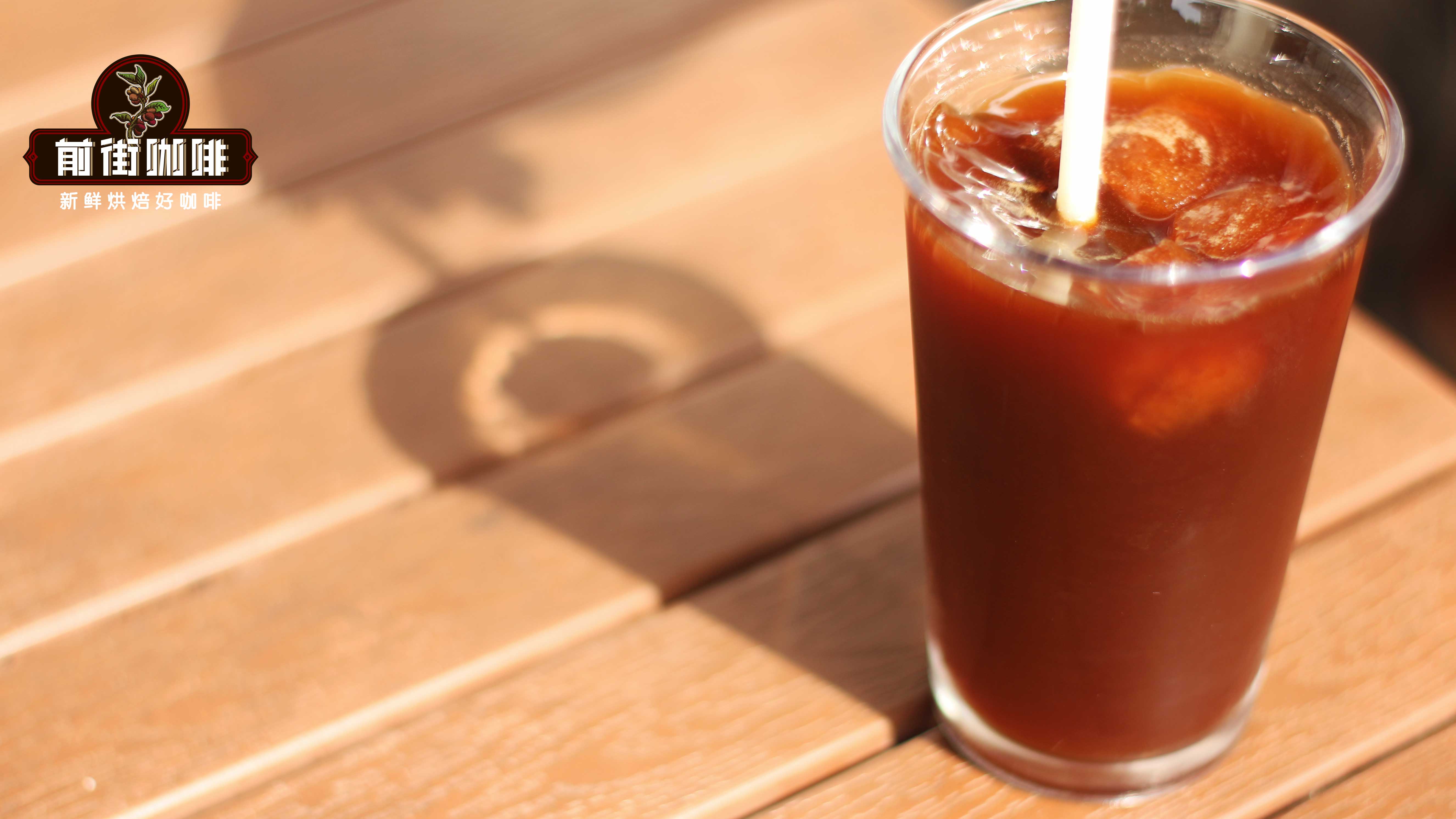
If you want your cold drip to taste like a pleasant dessert, Qianjie Strawberry Candy coffee beans fit the expectation especially well. This bean has an extremely vivid strawberry gummy sweetness, with a light and nimble aroma. Using purified water with a lower TDS to make ice cubes and slowly drip it can remove excess off-flavors while letting that signature strawberry sweetness bloom briskly like cold-brewed fruit tea, and it is memorable even made into an iced americano.
The charm of cold drip lies in trading time for a clean body, but low-temperature extraction also takes roast level and bean freshness into account. It is usually recommended to choose single-origin beans roasted light to medium, since the aromatic acidity and fructose structure inside these beans are relatively intact. As long as they are paired with soft water that offers less mineral interference, the clear fruit flavors can be slowly released over the hours of dripping.
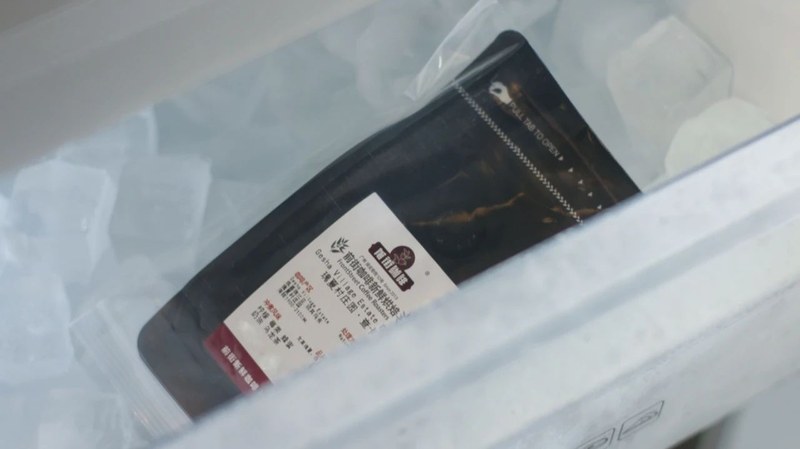
When making your own ice-water mixture at home, you can also pay attention to the rhythm of the ice melting. Keep the water used to make the ice cubes and the water in the receiving pot the same water quality, so the flavor stays consistent throughout. If you prefer light, drifting floral notes, you can freeze ice mostly from purified water; if you want the fruit acidity to be followed by more caramel-like depth, mixing in a little natural spring water with a moderate mineral content can make the overall flavor fuller.
A delicious cup of cold drip coffee often begins with a fine matching of water quality and the bean's character. Choose a light-roasted bean full of fruit aromas, freeze a tray of clear, bright soft-water ice cubes, and adjust to a gentle, even drip rate, and time will give the coffee liquid a sweet, crisp and smooth texture. When you understand how to use water to set off flavor, every sip of cold brew cold drip in daily life becomes especially refreshing and pleasant.
Related Reading

Comments (0)
Loading comments...
You May Be Interested

Trending Reviews
Popular Videos

With you, wherever you are! We provide useful features to help you find new things you'll love






