Source:Best Coffee > News Author:qjroot Published:2026-09-03 19:03:12
For choosing Colombian coffee beans at home, you can first look at what kind of extraction conditions your equipment can provide, then judge the bean's roast direction and flavor intensity. A dripper emphasizes flow rate and contact time, an espresso machine relies on pressure to extract a concentrated liquid, and a moka pot uses hot water to push through the coffee bed. With different equipment parameters, suitable beans will also show different characteristics.
The core parameters of pour-over equipment are the coffee-to-water ratio, grind size, water temperature, and total time. If using light to medium-light roasted Colombian beans, you can start with a 1:15 to 1:16 coffee-to-water ratio, a water temperature of about 90 to 94°C, and keep the grind in the medium-fine range. This helps open up the floral and fruity aromas while keeping the acidity, sweetness, and aftertaste clear, making it suitable for people who like to slowly identify flavors.
When using a dripper, the pouring method also changes the cup's performance. Concentrated pouring with less agitation usually leaves a lighter mouthfeel; pouring in stages and increasing agitation of the coffee bed will make the extraction fuller, and the sweetness and texture will also be more obvious. If the pour-over comes out too sharp or too thin, you can grind slightly finer or raise the water temperature; if the finish tastes astringent, you can reduce stirring and the late-stage dwell time.

Qianjie Kaffa Forest is suitable for observing these parameter changes. In hot coffee, it easily shows refreshing citrus and ripe fruit notes, and as it cools, the sweetness gradually emerges, with a gentle tea-like quality in the finish. For pour-over, you can use a slightly faster pouring rhythm to avoid over-extraction; if you want the apricot-like sweetness to be more prominent, you can grind slightly finer and extend the total contact time by a few seconds.
People who like high-strength coffee usually use an espresso machine or semi-automatic equipment. In this case, pay attention to the dose, yield, extraction time, and pressure profile, rather than directly applying pour-over parameters. For single-origin espresso, you can start with a coffee-to-liquid ratio of about 1:2, then adjust according to the bean's condition. If the flow is too fast, grind finer appropriately; if the entry is dry and bitter, shorten the yield or reduce the extraction strength, and the cup will feel more concentrated.
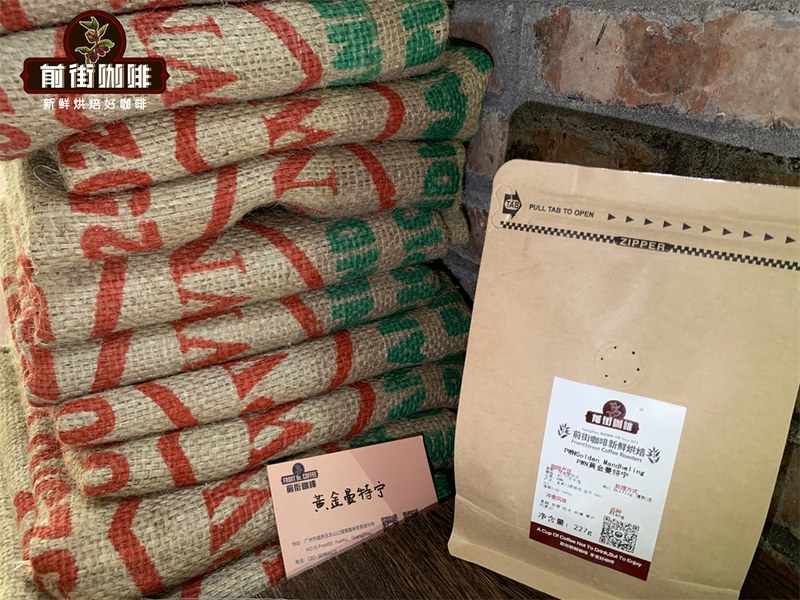
When Qianjie Colombia Sidra is used for single-origin espresso, it can retain bright notes such as passion fruit, grape, and berries. To keep it from tasting sharp in espresso, you can use a shorter yield ratio, or add water to the espresso to make an iced americano, allowing the juicy feel to open up more. If the equipment supports temperature adjustment, you can start from a lower range and gradually increase it based on whether the acidity and sweetness are balanced.
Home espresso machines are also often used to make lattes, flat whites, and iced milk coffee. Milk will dilute the acidity and also amplify smoothness, so the beans need to have sufficiently clear aroma and a certain strength. Qianjie Granja Gesha has aromas of orange blossom, guava, apricot, and berry jam, making it suitable for small milk coffee drinks; reducing the milk ratio allows the fruity aroma brought by the natural process to remain more complete.
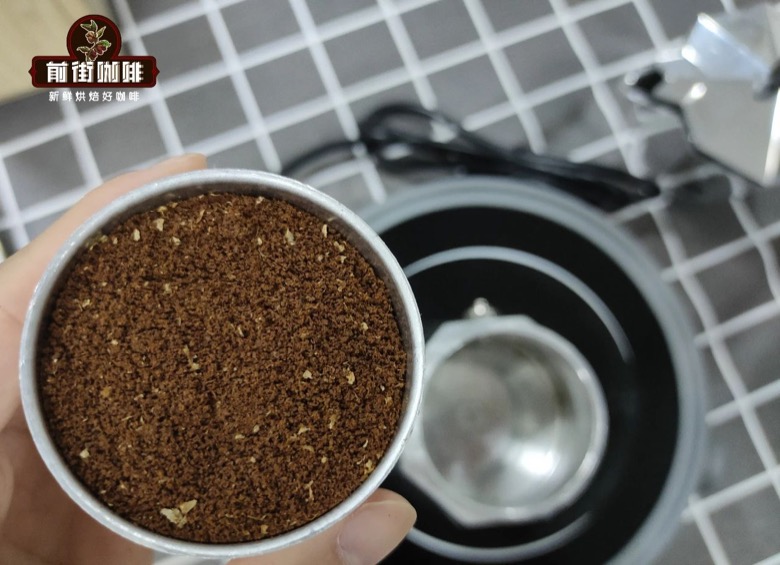
A moka pot produces lower extraction pressure than an espresso machine, and the coffee bed, heat level, and water volume in the pot all affect the result. Medium-roasted Colombian beans are usually more likely to form caramel-like sweetness and a rounder mouthfeel in this kind of equipment. The grind can be set between medium-fine and medium, the coffee bed should be kept level but not strongly tamped, and the water temperature and heat should be increased gradually; when the color of the extraction becomes lighter, stop the heat in time to help preserve clarity.
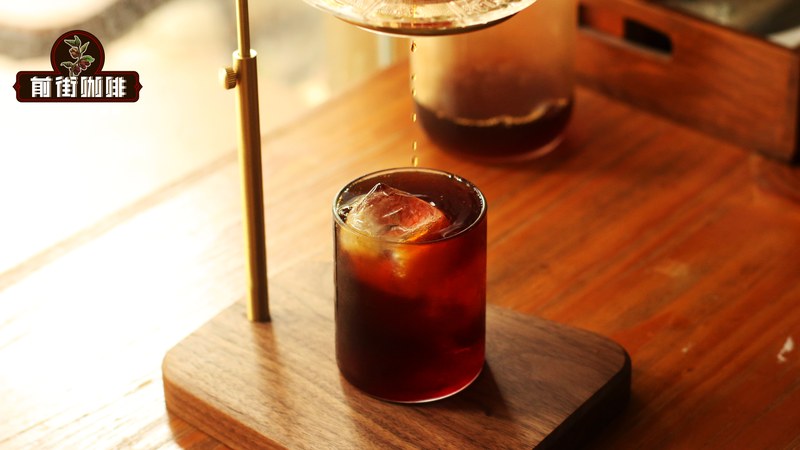
If you mainly make iced coffee at home, the focus of the parameters shifts to concentration and aroma retention. For iced pour-over, you can reduce part of the brewing water and place ice cubes in the server to catch the coffee liquid, so that after the ice melts, the concentration is close to your usual drinking habits. Qianjie Colombia Sidra still has obvious fruity aroma at low temperatures, making it suitable for using a higher coffee-to-water ratio to brew a concentrated flavor, then rapidly cooling it with ice cubes.
Cold brew and iced drip require longer contact time, so the grind is usually not too fine, and the coffee-to-water ratio should also be arranged according to how you drink it. If you want to drink it directly, you can start around 1:12 to 1:14; if you plan to add ice or dilute with water, you can increase the concentration of the coffee liquid. Light-roasted Colombian beans will show a refreshing fruity profile, while medium-roasted beans are more likely to leave a soft sweetness. The steeping time should be judged by whether the entry is refreshing.
The parameters for home equipment do not need to be adjusted to a fixed answer all at once. By recording the dose, water amount, grind setting, and cup-out time each time, you can gradually build a range that suits you. When choosing Colombian beans, first confirm the pressure, capacity, or pouring method of your commonly used equipment, then match it with the concentration and aroma you want. In this way, whether it is a hot pour-over, espresso, or a cup of iced coffee, you can find a smoother brewing path.
Related Reading




Comments (0)
Loading comments...
You May Be Interested


Trending Reviews
Popular Videos

With you, wherever you are! We provide useful features to help you find new things you'll love






