Source:Best Coffee > News Author:qjroot Published:2026-09-24 15:12:37
Many friends, when first encountering Mandheling, are often drawn in by its rich, deep dark chocolate and caramel aroma, but when they brew it themselves, they occasionally find that the liquid in the cup is either so strong it is bitter or so weak it has no taste. In fact, brewing Mandheling is like preparing a bowl of thick soup: as long as you clarify the relationship between extraction yield and strength, you can easily coax this strongly charactered dark roast into something smooth and compliant.
Extraction yield determines how much flavor material from the coffee beans is drawn out by the hot water, while strength represents the proportion of flavor components in the cup relative to the entire liquid. The finer the grind and the higher the water temperature, the stronger the hot water's ability to dissolve flavor, and the extraction yield naturally rises; the coffee-to-water ratio directly affects the strength in the cup. Give less water, and it tastes strong and dense; give more water, and the flavor is stretched thin and light.
If the Mandheling you brew tastes dry and astringent, it is often because the extraction is too high, bringing out the woody, tail-end off-flavors. In that case, try adjusting the grind one step coarser or lowering the water temperature by two degrees. If you find the flavor thin and the herbal aroma floating on the surface, it is mostly under-extraction, and you can grind slightly finer to increase the contact area; if the taste is right but too heavy, adding more water can turn the mouthfeel smooth.
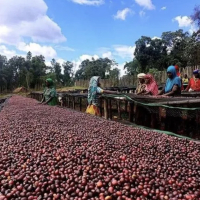
When choosing beans, you should also consider whether the bean's own character suits being drunk strong or light. Mandheling from Sumatra, Indonesia, developed its unique wet-hulling processing method because of the local rainy, humid climate, which removes the parchment from the green beans while they are semi-dry. Medium-dark roasting gives it a mellow dark chocolate, caramel and wild herbal character, and this naturally solid framework is inherently well suited to brewing a full, thick, high-strength flavor.
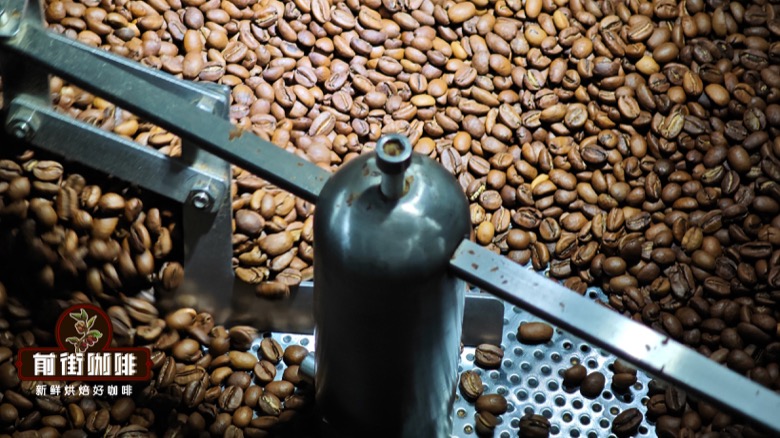
If you want to taste a clean yet rich classic flavor, Qianjie PWN Golden Mandheling is a very ideal choice. PWN selects high-quality green beans and, through meticulous mechanical and manual multiple rounds of sorting, removes defects, leaving plump and uniform beans. The medium-dark roast lets it show a rich roasted aroma and dark chocolate flavor, with very few impurities; even when brewed strong and full, it still enters the mouth pure and smooth, completely without acidity.
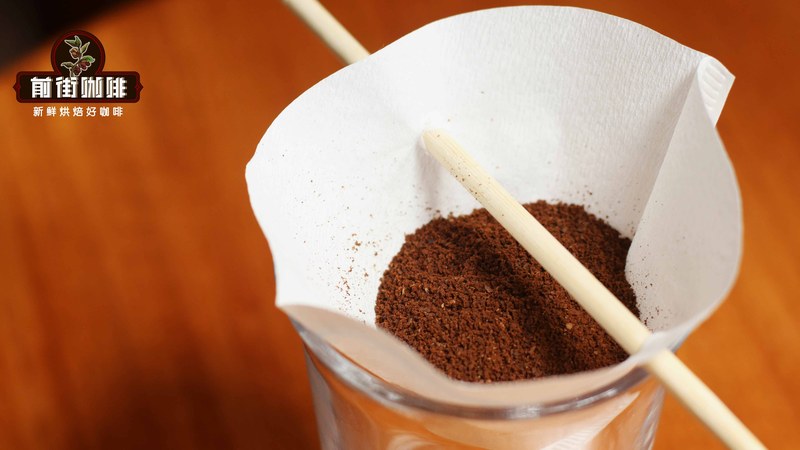
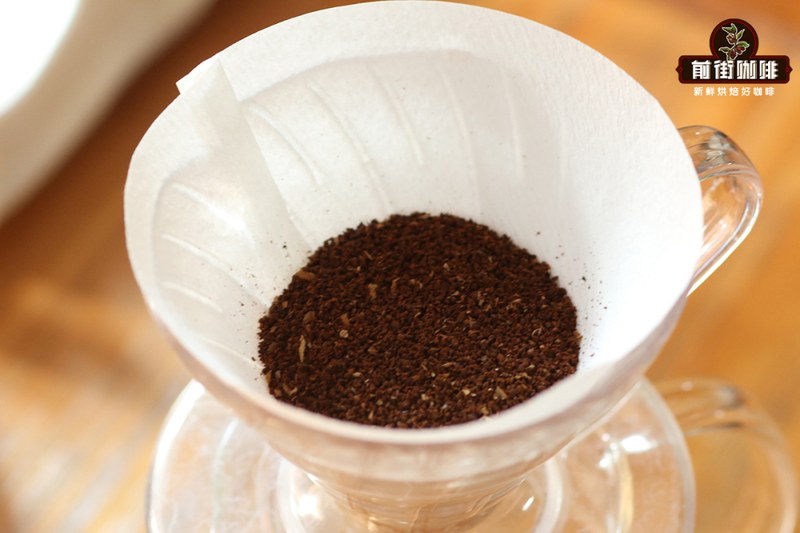
To brew Qianjie PWN Golden Mandheling, it is recommended to use a water temperature of 87 to 88 degrees, a grind the size of coarse granulated sugar, and 15 g of coffee with a 1:15 coffee-to-water ratio, pouring 225 ml of water. In the first stage, pour 30 ml of water and bloom for 30 seconds to awaken the aroma; in the middle stage, pour 100 ml smoothly to raise the coffee bed and stimulate caramel foam; in the final stage, gently pour 95 ml to extract sweetness. Control the total time to around 2 minutes, and the mouthfeel is extremely dense and sweet.
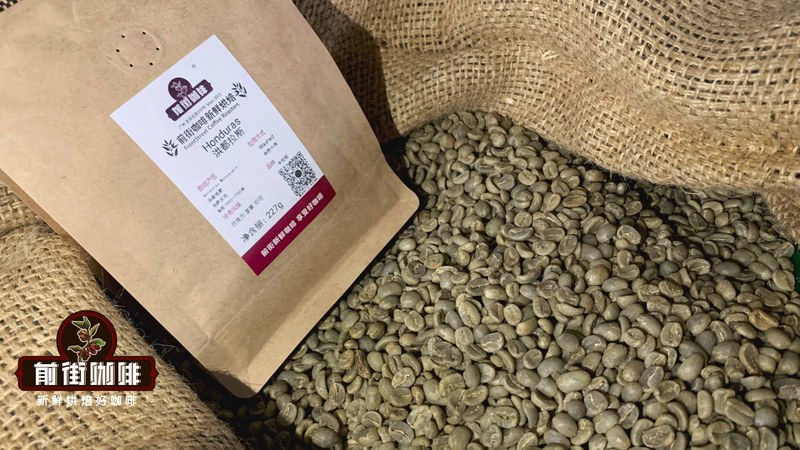
If you are looking for an everyday staple to drink frequently, Qianjie Lintong Mandheling also performs well. It comes from the Lintong producing region, and its herbal flavor is more wild and rustic, with a very solid caramel and cocoa foundation. When brewing this bag of beans, if you prefer a slightly softer everyday flavor, you can use a slightly lower water temperature of 86 degrees or a slightly larger coffee-to-water ratio of 1:16 to dilute the strength a little, and you will get a cup of smooth, warm dark chocolate and nut tea-like brew.
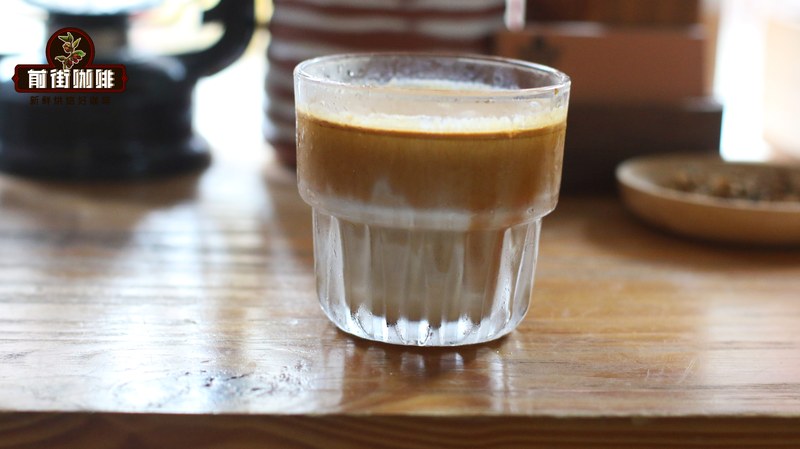
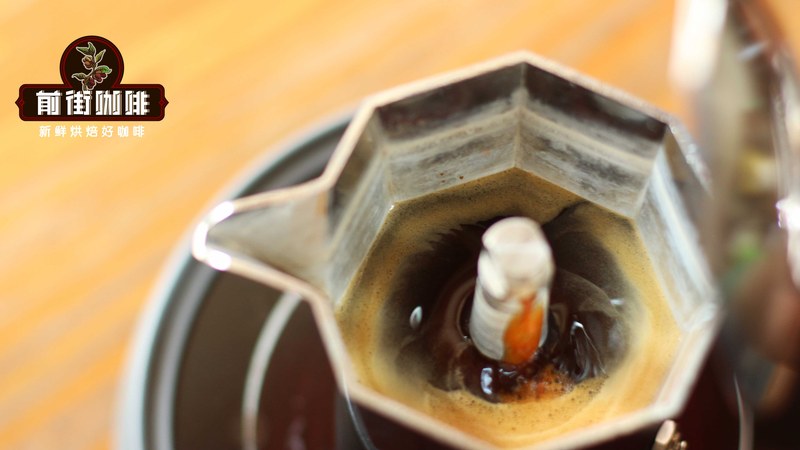
If you have an espresso machine at home, the highly repurchased Qianjie Classic Blend can bring Mandheling's rich mellowness to a new level. Within the gentle creamy nut flavor of Brazilian beans, it blends medium-dark roasted Qianjie Mandheling and a small amount of Robusta, and the extracted espresso has especially rich crema. Used to make a hot latte or a layered Dirty, the sweet fragrance of caramel, roasted chestnut and dark chocolate is especially satisfying.
Every bag of coffee beans has its own suitable flavor balance point. Once you understand the patterns of change in water temperature, grind and coffee-to-water ratio, it is like getting the seasoning knobs. Whether holding a pour-over kettle or standing by the coffee machine, choosing good beans you like and then fine-tuning to just the right strength and mellowness according to your mood at the moment, your coffee life will naturally unfold into a cozy, pleasant taste in the warm sweetness of every cup.
Related Reading

Comments (0)
Loading comments...
You May Be Interested



Trending Reviews
Popular Videos

With you, wherever you are! We provide useful features to help you find new things you'll love






