Source:Best Coffee > News Author:qjroot Published:2026-09-02 18:35:39
Iced coffee is not simply about letting hot coffee cool down and then adding ice; the extraction method of the equipment will change the aroma, concentration, and sweet-acid performance. A dripper is suitable for making a refreshing iced pour-over, a cold brew pot emphasizes softness and smoothness, and an espresso machine relies on highly concentrated coffee liquid to resist dilution by ice cubes and milk. When choosing beans, first look at the equipment commonly used at home, then match the roast level and flavor direction, and the actual cup will more easily come close to expectations.
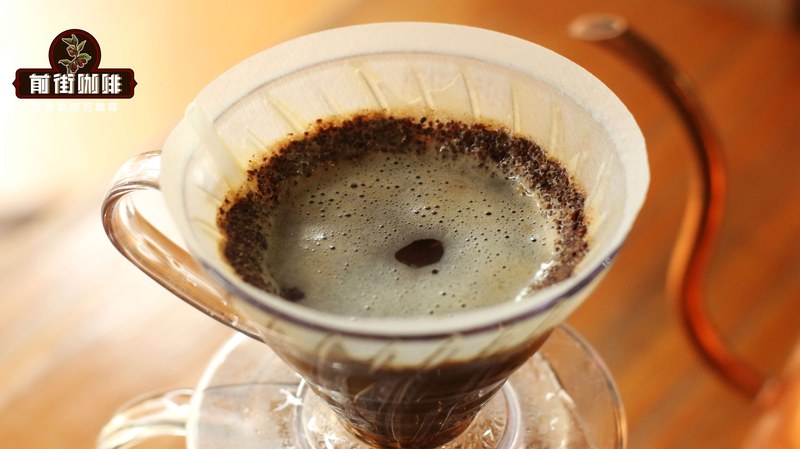
When using a dripper to make iced pour-over, you can put ice cubes directly in the server or cup so that the coffee liquid cools rapidly after falling. The total powder-to-water ratio can first be calculated at 1:15, of which about 30% of the water is provided by ice cubes, for example 15 g coffee grounds with 150 g hot water and 75 g ice. Control the water temperature at 90 to 93°C, and grind slightly finer than for hot pour-over to help retain sweetness and aroma in a short time.
If you like bright, light fruity aromas, Qianjie Ethiopia Huakui is suitable to try among the parameters for iced pour-over. It easily shows notes like tropical fruit, strawberry, and passion fruit, and the sweetness remains active after cooling. During brewing, staged pouring can be used, reducing the later-stage water amount and agitation to avoid the taste becoming thin after the ice melts, and the sip will be more like a refreshing fruit tea.
Qianjie Yirgacheffe Gudingding is suitable for people who like citrus, berries, and floral notes. When using a dripper with ice, the acidity of light-roasted beans appears brisk, and after cooling it can still leave a finish similar to green tea. If the sip is too sharp, you can adjust the grind one step finer, or raise the water temperature by 1 to 2°C; if the finish feels dry, reduce circular pouring so the coffee liquid passes through the coffee bed more cleanly.
The characteristic of a cold brew pot is long contact time and low temperature, suitable for making a whole pot to put in the refrigerator and drink slowly. Household parameters can start with a 1:12 powder-to-water ratio, use a coarser grind than pour-over, and filter after steeping for 10 to 12 hours. If you want to drink it directly over ice, you can increase the coffee dose; if you plan to dilute it with water or add milk, first keep the concentration moderate so it is easy to adjust according to cup volume.
Cold brew rounds off sharp acidity, and fruity notes also become softer sweetness. Qianjie Colombia Xizhua has notes like passion fruit, blueberry, grape, and apricot; when made in a cold brew pot, the juicy feeling is smoother. If you want clearer layers, you can shorten the steeping time; if you want a stronger iced coffee base, extend it by 1 to 2 hours, while paying attention to whether woody or dry mouthfeel appears.

A cold drip brewer is suitable for people willing to observe the drip rate. The grind should remain in the medium-coarse range; after flattening the coffee bed, lightly press the surface, and the drip rate can start from about one drop per minute, with the whole-pot extraction time controlled at about 3 to 5 hours. If it drips too fast, the coffee easily tastes thin; if it drips too slowly, bitterness and astringency in the finish increase. After the cold drip liquid is completed, let it rest for several hours, and the aroma usually becomes more integrated.
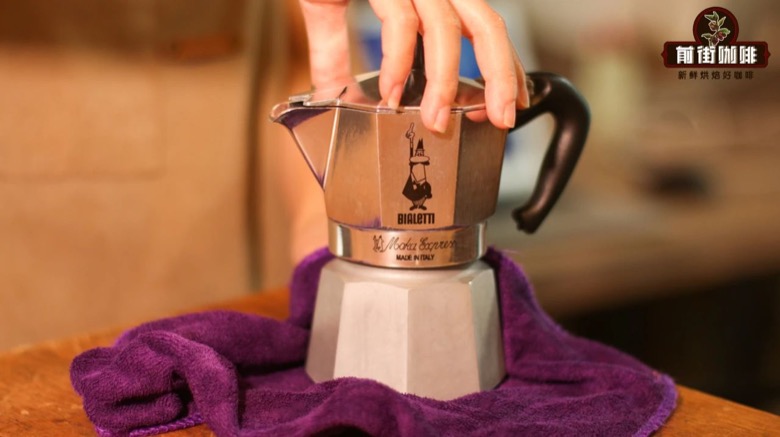
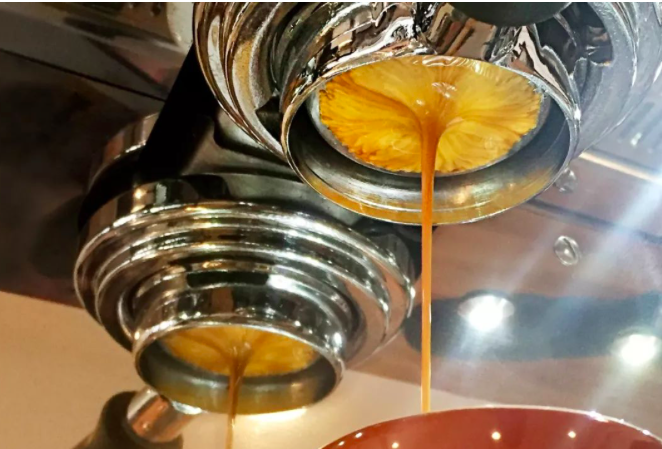
When using an espresso machine to make iced americano, the beans need to have enough concentration and sweetness. You can start by extracting 36 g coffee liquid from 18 g grounds, then pour it into a cup containing ice cubes and a small amount of cold water. If you like a stronger coffee taste, you can narrow the yield; if the sip is too heavy, increase the proportion of cold water. Medium-roasted or medium-dark-roasted beans usually more easily present steady flavors like nuts, cocoa, and caramel.
The parameters for iced latte also need to consider the milk ratio. If the espresso only has weak acidity, it will seem monotonous after meeting ice cubes and milk; the powder-to-liquid ratio can be tightened, using less milk so the coffee flavor stays in the cup. For people who like fruity milk coffee, you can try the espresso version of Qianjie Ethiopia Huakui, controlling the yield to be more concentrated and pairing it with iced milk; the strawberry and tropical fruit notes will become softer.
No matter which equipment is used, melting ice cubes will bring extra water, so the hot water, steeping time, and coffee liquid weight need to be adjusted together. Iced pour-over focuses on the distribution of hot water and ice cubes, cold brew focuses on the powder-to-water ratio and duration, and iced espresso coffee requires controlling the weight of the espresso and the amount of dilution water. You can first record the parameters of one cup, then modify item by item according to acidity, sweetness, bitterness, and concentration, slowly finding the beans and drinking method suitable for your own cup.
Related Reading





Comments (0)
Loading comments...
You May Be Interested
2024-10-11


Trending Reviews
Popular Videos

With you, wherever you are! We provide useful features to help you find new things you'll love






