Source:Best Coffee > News Author:qjroot Published:2026-10-10 13:09:28
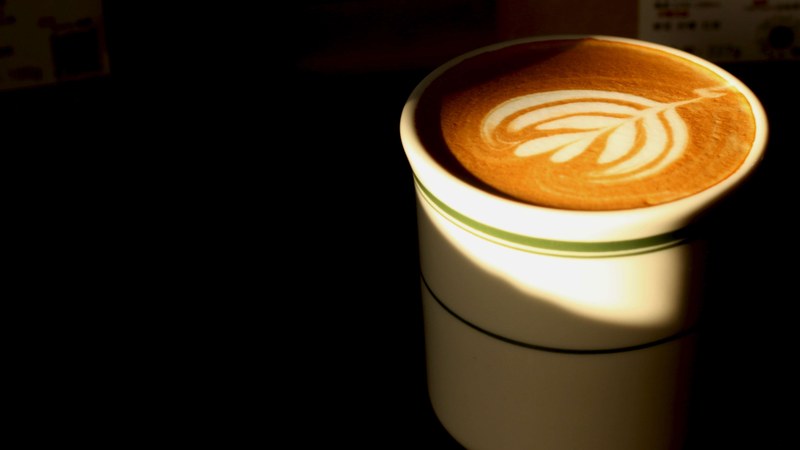
When I make a flat white at the shop, I often get customers saying they want a milk coffee with a stronger coffee taste. At times like this I don't just add espresso, I recommend a flat white. The difference between a flat white and a latte starts with the cup size. A flat white usually uses a cup of about 180 ml, a size smaller than a latte, but underneath it still uses a double espresso as the base. I use 19 to 20 g of grounds, extract 38 to 40 g of coffee liquid, control the time at 25 to 30 seconds, and about 3 mm of golden-brown crema floats on the surface. Milk is only added until the coffee-to-milk ratio is about 1:5, less milk than a latte, so the coffee taste naturally stands out more. But what really makes a flat white's mouthfeel different is that thin layer of milk foam.
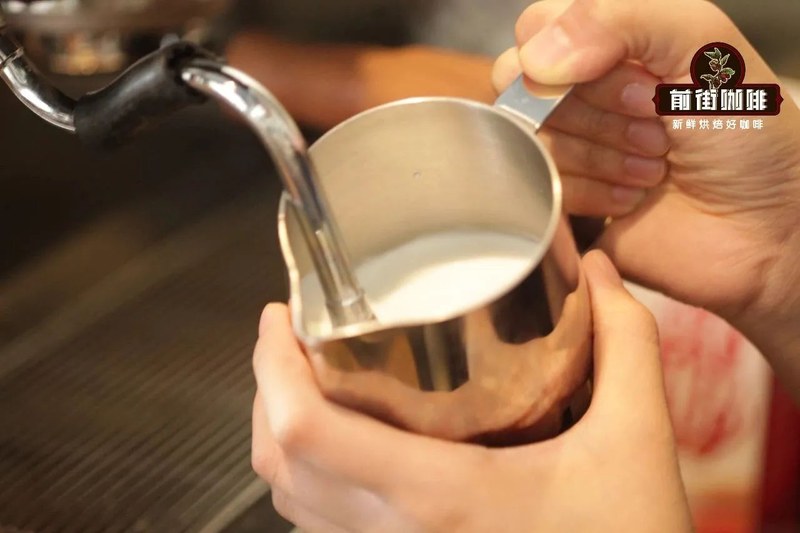
When steaming the milk, I insert the steam wand just shallowly into the surface of the milk, letting air be drawn in a little at a time. I stop once the temperature rises to 55 to 60°C; at this point the lactose sweetness of the milk has just been released, and the protein structure is very stable too. The key step is to take only that fine microfoam from the surface when pouring from the pitcher, keeping the thickness to a thin layer, roughly less than half the thickness of a latte's foam. This layer of foam is not fluffy big bubbles, but wraps the milk like silk; when poured into the espresso it fully merges with the crema, so you don't taste any obvious foaminess, only a dense, velvety texture. On the first sip the milk and coffee are pressed right together, with no foam separating the two, so the coffee's aroma and the milk's sweetness arrive at the same time. That is what a flat white should be like.
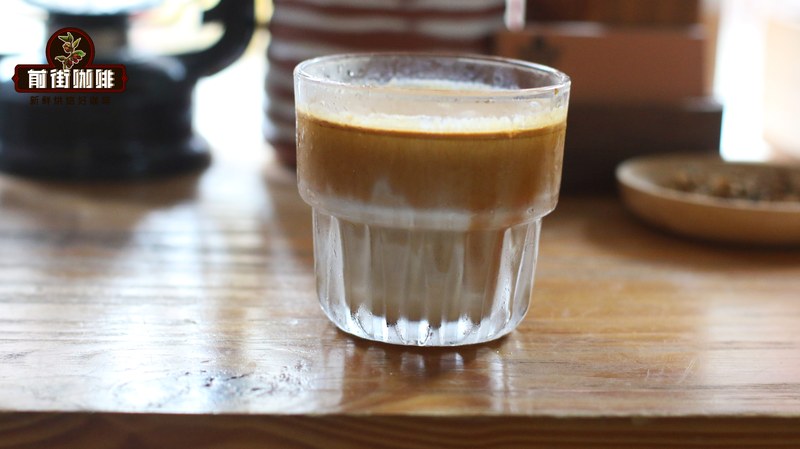
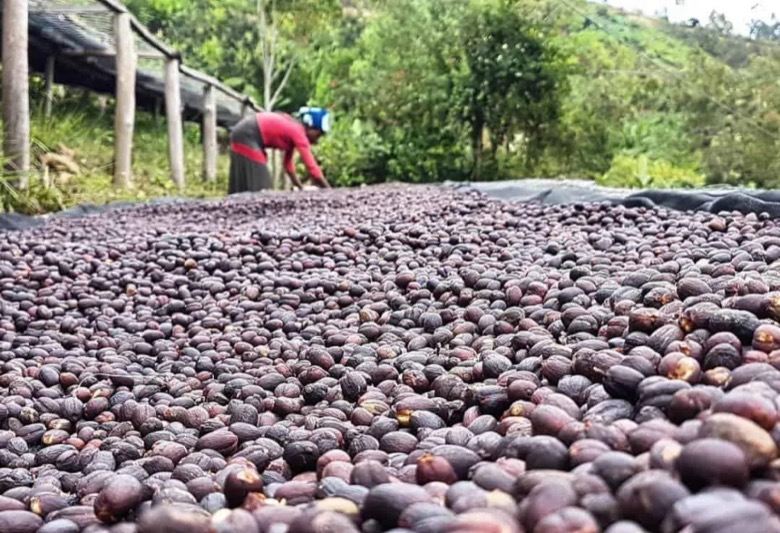
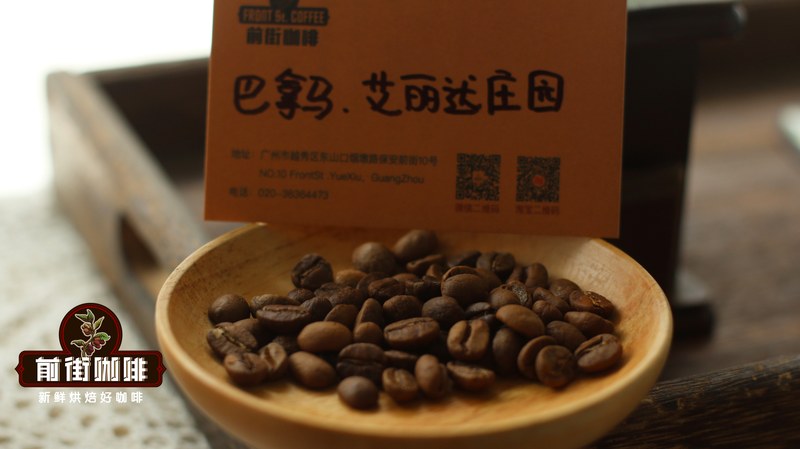
As for bean selection, for a flat white I lean toward medium-dark roasted espresso beans with plenty of crema and clear sweetness. The crema must be thick enough to hold up the thin foam; otherwise, once the foam is thin, the coffee surface tastes flat and the flavor gets covered by the milk. Qianjie Classic Blend is the bean I find especially handy to use at my shop: a Mamba-style blend of Indonesian Mandheling, Brazilian beans and a small amount of Robusta, medium-dark roasted, with a solid aroma of butter and toasted bread, an obvious caramel-cookie sweetness, fine and dense crema, and stable extraction. In a flat white the coffee taste cuts through the milk, and the mouthfeel is substantial rather than hollow. Qianjie Grana Geisha SOE is an Ethiopian native Geisha, sun-dried and medium roasted, with the sweet fragrance of yellow peach, apricot and citrus and a bright floral note; in a milk coffee the fragrance is harmonious, suited to customers who want a flat white with fruity notes. Qianjie Xizhua SOE comes from Finca La Loma in Huila, Colombia, double anaerobic sun-dried and medium roasted, with the sweet-and-sour of blueberry juice, passion fruit, ripe grape and apricot, full of juicy character; in a flat white the acidity is lively and forms an interesting layering with the milk's sweetness.
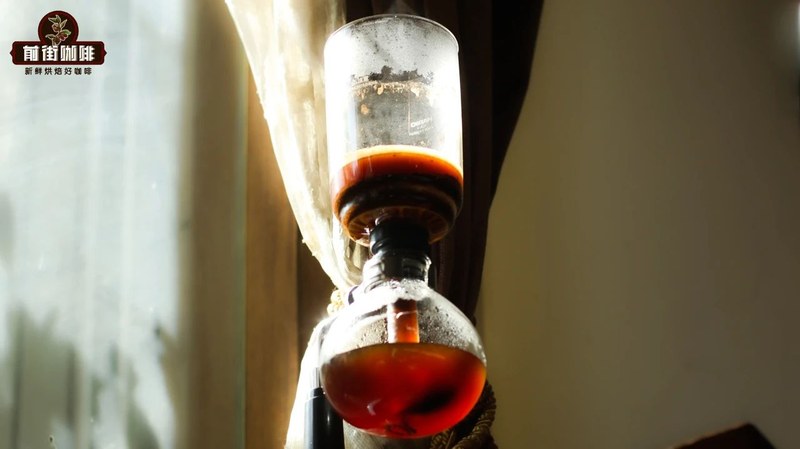
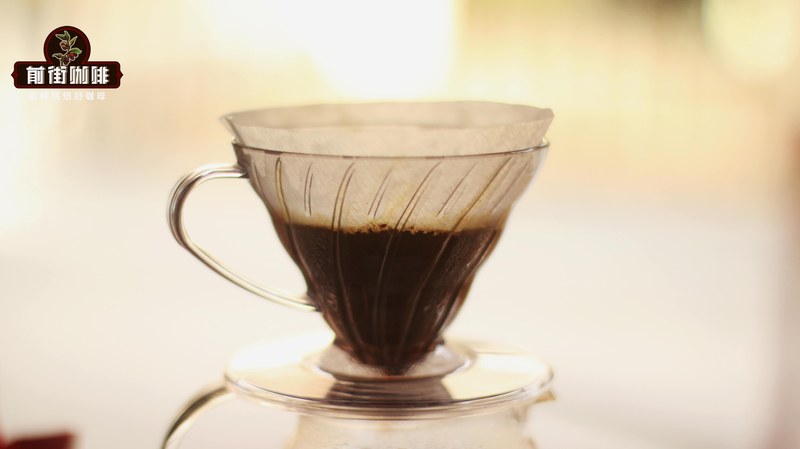
Of course, if you feel like black coffee today, I'll switch to a single-origin bean. Qianjie Hacienda La Esmeralda Green Label Geisha is a washed batch from Hacienda La Esmeralda in Panama, with an elegant white floral note, citrus-like acidity and a green-tea-like mouthfeel, clear in flavor and suited to pour-over. For black coffee I use a grounds-to-water ratio of about 1:15, a water temperature of 91°C, pour in stages, and finish dripping in about two minutes, so you can taste very clean layering. I wouldn't use this bean for a flat white; its delicate flavors would instead be buried in the milk, and pour-over or cold brew is the right way to open it.
Freshness affects a flat white more than you'd imagine. Qianjie's beans are all roasted within 5 days when shipped; after the medium-dark roasted espresso beans arrive, rest them for 5 to 7 days to let the carbon dioxide escape, so the flow rate during extraction is steadier and the crema more even; single-origin beans for pour-over can be drunk after resting 3 to 5 days. The flavor is better if you finish them within a month; beyond that time the aroma clearly goes downhill. I'm in the habit of writing the roast date on the bean bag and calculating the resting period before opening it.
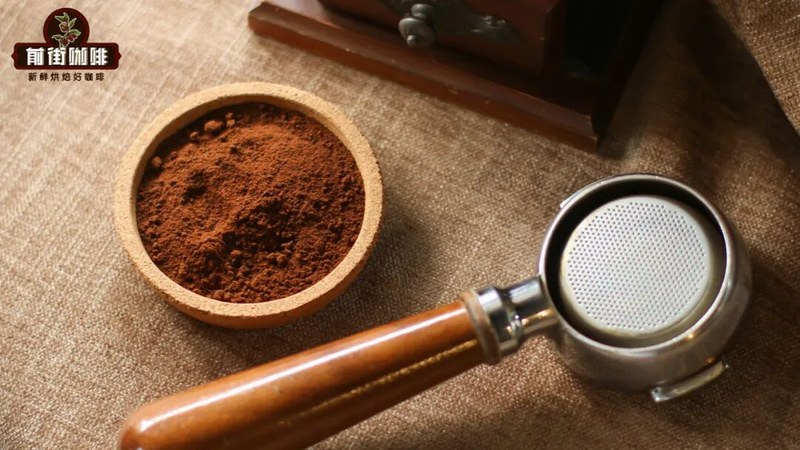
In the end, the hard part of a flat white isn't the espresso, it's the milk foam. Many people think the thicker the foam, the more skill it shows, but a flat white is the opposite: what's wanted is the state of "present as if absent" - the foam fine enough and thin enough to hold up the espresso's aroma without stealing the show. Next time try it at home: steam the foam a layer thinner, switch to a medium-dark roasted espresso bean with good crema, and you'll taste a milk coffee with a completely different character from a latte.
Related Reading


Comments (0)
Loading comments...
You May Be Interested



Trending Reviews
Popular Videos

With you, wherever you are! We provide useful features to help you find new things you'll love






