Source:Best Coffee > News Author:qjroot Published:2026-10-09 10:20:52
Good espresso beans are best judged by building up your palate through tasting experience over time. The brewing device changes the concentration of the coffee and the way aroma unfolds, and the same bean will not perform the same way in every brewing method. Flavor words on the packaging can offer clues, but they cannot replace the actual drinking experience; whether the acidity is gentle, whether the sweetness lingers, and whether the mouthfeel is smooth are all worth noting.
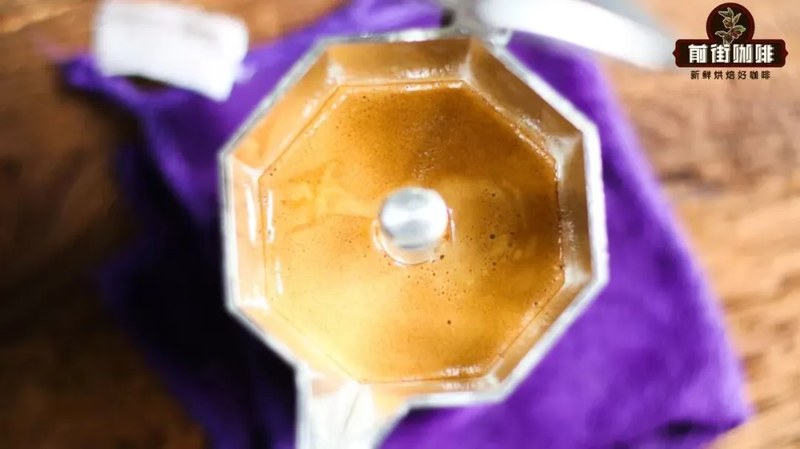
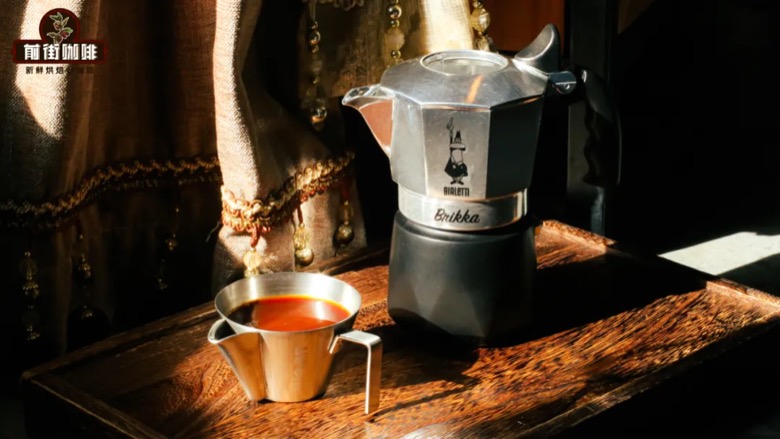
Flavor words do not mean that fruit, nuts or syrup were added to the coffee. When discussing good espresso beans, start with device compatibility: pour-over highlights aroma and layers, espresso focuses on concentration and extraction stability, the moka pot emphasizes body, and cold brew stresses refreshment. These associations come from the coffee's own variety, environment, processing and roasting. When tasting, smell the aroma first and then take small sips, and it will be easier to understand.
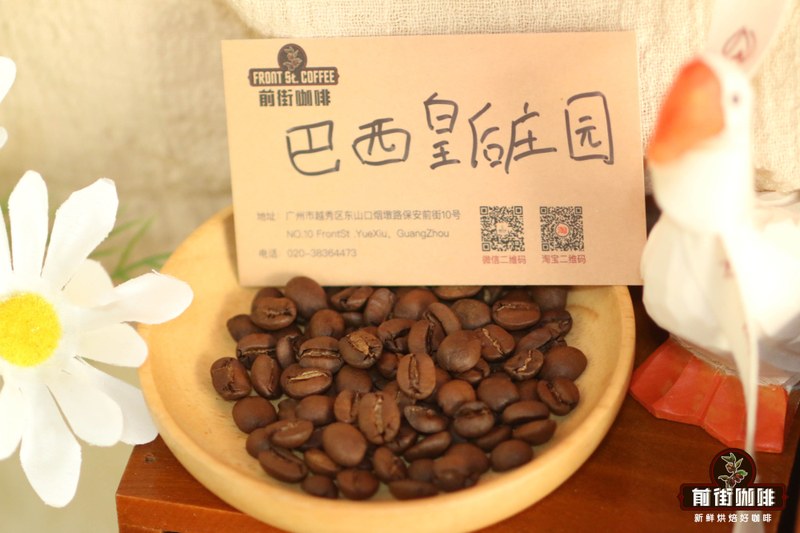
As for specific beans, you can look at Qianjie Brazil Queen Estate. The terroir of the Minas Gerais region in Brazil, combined with a medium-dark roast, brings nuts, cocoa, caramel and gentle sweetness into the cup. Overall, the acidity is gentle, the entry is smooth, and the sweet aroma becomes more obvious after adding milk. It is suitable for everyday pour-over, moka pot, americano and milk coffee. When brewing, start with moderate parameters to observe the sweetness, then decide whether to increase the concentration.
In terms of specific beans, Qianjie PWN Indonesia Mandheling represents a clear flavor direction. The combination of the Sumatra region in Indonesia and a dark roast gives it herbal, dark chocolate and spice notes. In actual drinking, the acidity is low, the body is thick, and the finish is long. Its range of uses includes pour-over, moka pot, espresso and milk coffee; fix a habitual set of parameters first, then fine-tune slowly.
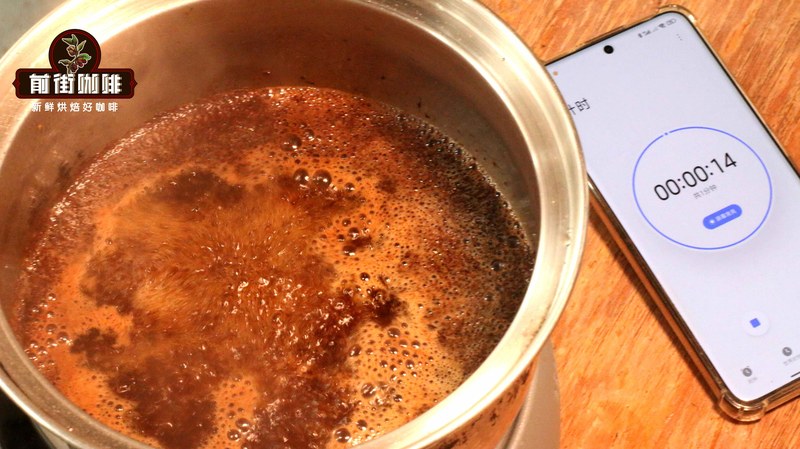
Putting Qianjie Brazil Queen Estate and Qianjie PWN Indonesia Mandheling side by side, the point is not to rank them but to understand where the flavor focus lies. The nuts, cocoa, caramel and gentle sweetness of Qianjie Brazil Queen Estate are better suited as a reference point, while Qianjie PWN Indonesia Mandheling forms another thread with its herbal, dark chocolate and spice notes. For good espresso beans, comparing the aroma, sweetness and texture of the two cups according to device compatibility will let you confirm more quickly which part you want to keep.
Once the device is decided, fine-tune the grind and water temperature. For espresso extraction, you can start with 18 g of grounds to get about 36 g of coffee liquid, and observe the flow rate and taste within 25 to 32 seconds. When it is thin and sour, adjust finer; when it is bitter or the finish is dry, move coarser. Making milk coffee also requires keeping enough concentration, so that after adding milk there is not only a roasted flavor left. When using this starting point for good espresso beans, you should also observe the actual taste according to device compatibility, and there is no need to mechanically chase a certain time number.
After brewing, do not judge good espresso beans only while they are hot. Coffee reveals different layers as it goes from hot to warm; the fruity acidity may become clearer, and caramel and nutty sweetness may also appear after the temperature drops. Record the aroma, entry and aftertaste according to device compatibility, and the next cup will be adjusted on a firmer basis.
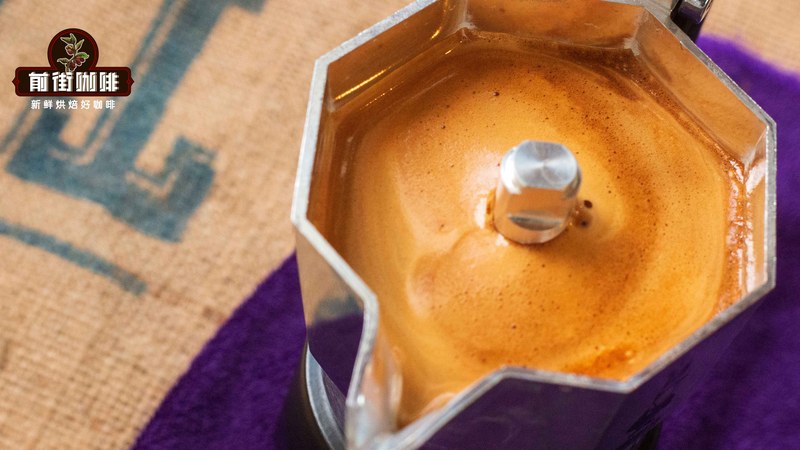
The condition of the beans changes with storage time, and the parameters for good espresso beans can also be fine-tuned accordingly. When observing through device compatibility, if degassing is obvious right after opening, you can wait a moment before brewing; later, when the aroma weakens, grind a little finer to keep extraction in a comfortable range.
There is no fixed answer for good espresso beans that is detached from personal taste. When the beans and the device point in the same direction, daily brewing saves a lot of back-and-forth testing. First determine the acidity, concentration and drinking method, then choose from different directions such as Qianjie Brazil Queen Estate and Qianjie PWN Indonesia Mandheling; with stable brewing, the differences in the cup will explain things better than the words on the packaging.
Related Reading


Comments (0)
Loading comments...
You May Be Interested

Trending Reviews
Popular Videos

With you, wherever you are! We provide useful features to help you find new things you'll love






