Source:Best Coffee > News Author:qjroot Published:2026-08-15 16:01:22
Someone asked me: if you only plan to buy one bag of beans for home, to use with a moka pot and also for milk coffee, how should you choose?
My answer: pick a bag of dark-roast Arabica espresso beans, then go taste how it performs under those two ways of drinking. The same bag of beans, black coffee tastes its skeleton, milk coffee tastes its integration - and these two things, dark-roast Arabica happens to handle both. This article is a little tasting record, shared with friends who also want "one bag to rule them all."
This time I used Qianjie's Classic Blend, a blend designed specifically for espresso and moka pots, following the Mamba blend recipe. The Mamba recipe should be familiar to everyone - Mandheling paired with Brazil, a classic combination long circulating in coffee circles, characterized by being full-bodied, mellow, and balanced, with no particularly showy flavors, but winning at being smooth in everything.
The roast level is dark. For this recipe, dark roasting is not a burden but an amplifier: Mandheling's body and Brazil's sweetness, under dark roasting, are roasted into cocoa and nut tones, with a finish carrying a bit of caramel, and the bitterness clean without scratching the throat.
Add hot water to the lower chamber, 1:8 coffee-to-water ratio, heat over medium. When it comes out, the crema is beautiful - dense and fine, coating the cup surface with an obvious layer of cream, which on a low-pressure device like a moka pot counts as a standout performance.
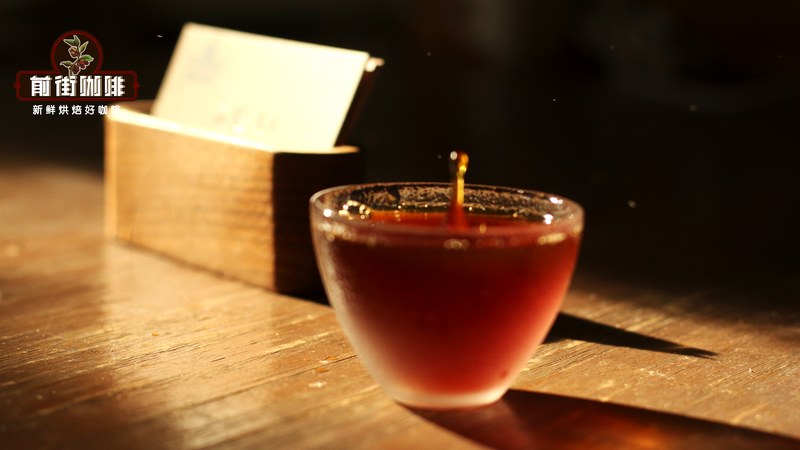
Drinking it, it is the expected "steady": full-bodied on entry, solid body, Mandheling's steady cocoa flavor dominant, a bit of nuttiness in the middle, clean finish, no burnt bitterness or off-flavors. People who do not often drink black coffee might find it "a bit bitter," but this bitterness is a rich bitterness, one that carries sweetness back, not that harsh dry bitterness.
Moka pot scenario conclusion: dark-roast Arabica in a moka pot, crema and body are both on point, making black coffee it fully holds up.
The same shot of espresso, mixed 1:2 with hot milk. Interestingly, after adding milk the whole flavor direction changes completely - bitterness retreats to the background, milk sweetness and cocoa become the leads, drinking like a cup of hot cocoa coffee with nutty aromas, very smooth, very silky, without any jarring acidity or bitterness.
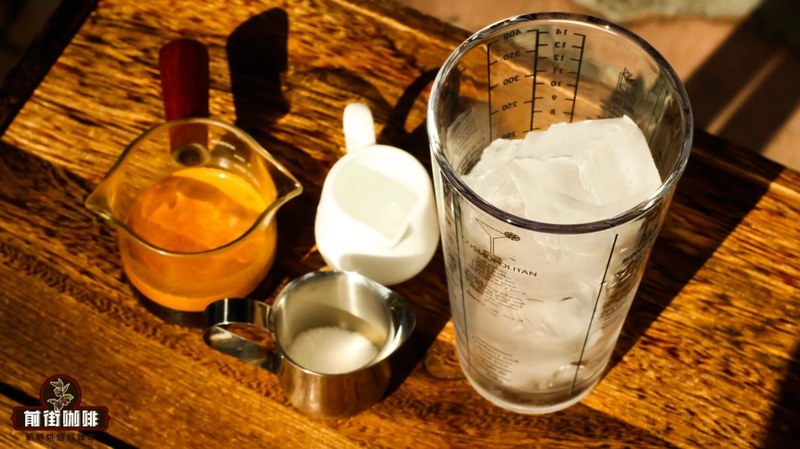
If you froth the milk a bit thicker, it also works as a cappuccino; the milk foam's sweetness and the coffee's body pair very harmoniously. I even tried making a Dirty - pouring espresso directly over iced milk, strong on top and light below, bitter and sweet layered, very comfortable to drink in the afternoon.
Milk coffee scenario conclusion: dark-roast Arabica and milk are natural partners, with high integration, bringing out the sweetness, the kind of safe choice when "you do not know what to drink, so you make a latte."
Put plainly, it is not complicated:
What a moka pot wants is crema and body - dark-roast beans have a loose structure and extract easily, so they deliver;
What milk coffee wants is integration and sweetness - Arabica's bitterness is clean and its sweetness clear, while beans mixed with Robusta are conversely prone to bitterness and roughness;
What a blend wants is stability - single-origin beans have strong flavor personality but large batch fluctuation, while blended beans complement each other, so after finishing this bag the next bag still tastes the same.
So "dark roast + Arabica + a stable blend" is the common answer for moka pot fans and milk coffee fans. To save a bit more, you can look at the Black Cocoa Blend, also 100% Arabica and equally full-bodied, at a more affordable price; if you want to fix on one daily staple long-term, the Specialty Blend (Brazil Cerrado paired with Colombia Huila) is a classic verified by the shop for many years.
After the beans arrive, rest them for three to five days before drinking; dark-roast beans also need time to degas, and the flavor opens up more;
When the moka pot starts bubbling as it comes out, take it off the heat and finish with residual heat for a smoother mouthfeel;
For milk coffee, do not mix iced milk directly with espresso (except for a Dirty); heating it slightly to 55-60°C integrates better.
One bag of beans, two ways of drinking, from morning americano to afternoon latte, this is what I understand as "one bag to rule them all." If you are also torn between a moka pot and milk coffee, why not start by trying a bag of dark-roast Arabica.
Related Reading





Comments (0)
Loading comments...
You May Be Interested


Trending Reviews
Popular Videos

With you, wherever you are! We provide useful features to help you find new things you'll love






