Source:Best Coffee > News Author:qjroot Published:2026-09-03 18:43:08
The same bag of coffee beans placed in different-sized portafilters can taste completely different. Household espresso machines commonly use single-shot baskets of about 9 g and double-shot baskets of about 18 g, while commercial machines mostly use 18 to 20 g baskets. When choosing beans, first look at your basket capacity, then consider pressure, temperature and yield, so the beans' flavors can more easily hold their ground in the cup.
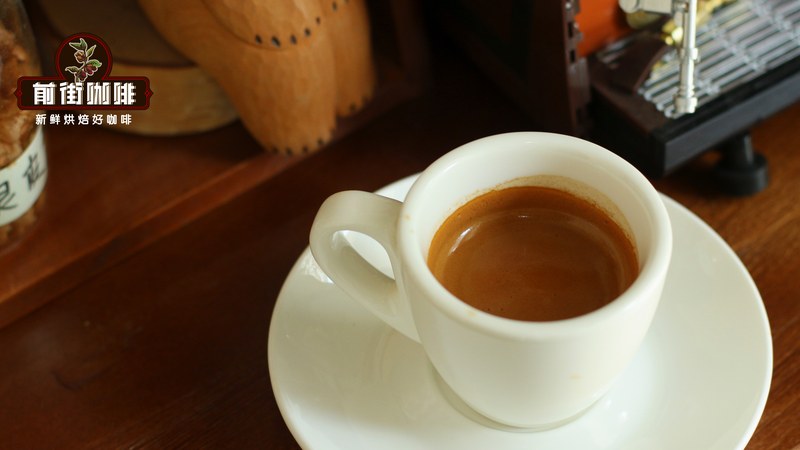
If the machine uses an 18 g basket, you can start testing with 36 g of espresso, with an extraction time of roughly 25 to 32 seconds. This ratio is suitable for observing sweetness, strength and finish, and it is also easy to adjust. If your machine can only stably hold 9 g of coffee, you should not directly copy a double-shot recipe; the yield should be reduced in proportion to the dose, otherwise the coffee liquid will easily seem thin.
For household machines with higher pressure and no obvious pump pressure variation, beans roasted to a medium to medium-dark level are more suitable. They can release perceptible sweetness and body in a shorter time. The temperature can start at 92 to 94°C, the puck should be tamped level, and the grind should be fine-tuned around the flow rate; there is no need to pursue a very fine grind from the start.
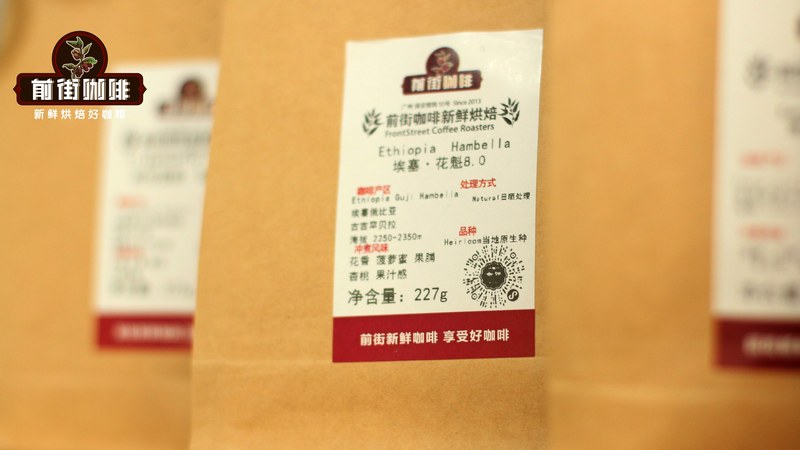
Qianjie Brazil Queen Estate is suitable for testing a standard espresso recipe with an 18 g basket. In espresso form, it easily shows a sweet, moist sensation of roasted nuts, cocoa and syrup, and its acidity is not overly prominent. You can first extract 36 g of liquid from 18 g of coffee, then extend it to 40 g according to taste; when made into an Americano, it still has good roundness and body.
If the machine has a pre-infusion function, the puck can first contact a small amount of water before formal extraction begins. For medium-roasted beans, 4 to 8 seconds of pre-infusion helps reduce channeling and allows aroma and sweetness to appear more evenly. If the espresso tastes sharp on entry, you can first increase the pre-infusion time slightly; if the finish tastes dry, you can shorten the total yield or slightly coarsen the grind.
When using a small household machine, temperature stability is often not as good as commercial equipment, and the beans' adaptability range should also be given more room. Qianjie Classic Blend's nut, cocoa and caramel notes are still easy to identify under fairly ordinary temperature control conditions. For 18 g of coffee, you can first extract 34 to 38 g of liquid; when making a latte, use 150 to 180 ml of milk, and the coffee flavor will remain clear.
For machines with only fixed high pressure and no pressure adjustment function, beans with low acidity and body are usually easier to dial in for a smooth result. Qianjie PWN Indonesia Golden Mandheling has a deep aroma like herbs and dark chocolate, and its overall acidity is restrained, making it suitable for controlling the yield ratio between 1 to 1.6 and 1 to 1.9, for ristretto or drinking with added water.
When making milk coffee, basket capacity and milk ratio need to be considered together. 18 g of coffee with 36 g of espresso, plus about 160 ml of milk, suits people who like a clear coffee presence; if using a 220 ml large cup, you can increase the yield to 40 to 42 g, or choose a blend with greater body. The greater the milk volume, the more concentrated the coffee liquid needs to be.
Espresso machines with flow control or adjustable pressure can leave more room for experimentation with single-origin beans. Using a lower flow rate at the beginning of extraction and then returning to normal flow rate often allows acidity, sweetness and aroma to transition more gently. If using medium-roasted beans, you can start at 93°C and a 1 to 2 yield ratio; if the aroma is insufficient, then slightly increase the temperature or extend the liquid weight.
The grinder setting must also match the basket. If a bottomless portafilter flows noticeably too fast, it means the puck resistance is insufficient, so you can adjust the grind one step finer; if the espresso is intermittent and bitter on entry, you need to coarsen it and check whether the distribution is even. After each adjustment, you should record the dose, liquid weight and time again; these numbers can help you judge where the change comes from.
When choosing espresso beans, you do not need to focus only on the roast name on the package. Instead, you should observe the machine's basket, temperature control capability and commonly used drinks within the same set of parameters. A small basket suits short-ratio espresso, a stable double-shot basket more easily shows sweetness and body; equipment that can adjust temperature and pressure can try longer ratios. Once you find beans that match the rhythm of your equipment, daily shots will naturally be easier.
Related Reading


Comments (0)
Loading comments...
You May Be Interested

Trending Reviews
Popular Videos

With you, wherever you are! We provide useful features to help you find new things you'll love






