Source:Best Coffee > News Author:qjroot Published:2026-09-19 12:48:37
When drinking milk coffee, it is easy to get torn between two paths: should you buy a traditional espresso blend, or try the currently popular single-origin SOE? In fact, these two directions bring completely different flavor experiences: blends emphasize overall balance, harmony and a rich, solid body, while single origins pursue a clear expression of a unique regional character in milk. Once you understand the characteristics of these two, choosing beans becomes much easier.
When looking at a blend's recipe sheet, you can read the roaster's flavor vision through the proportions. Usually the main component, accounting for more than sixty percent, takes on the task of providing a full-bodied mouthfeel, a nutty and cocoa base note and thick crema; the other twenty to thirty percent of components are often used to add bright acidity or floral and fruity aromas, so that the milk coffee has both a solid foundation and rich aromatic layers from the first sip.
If you usually like a rich, heavy, smooth texture similar to cocoa milk, Qianjie Black Cocoa Blend is a very reliable direction. When this bean was formulated, the emphasis was on amplifying the slight bitterness of dark chocolate and the richness of roasted nuts, while the acidity was kept fairly soft, so that when it meets whole milk it produces a full sweetness, like tasting melted dark chocolate mousse.

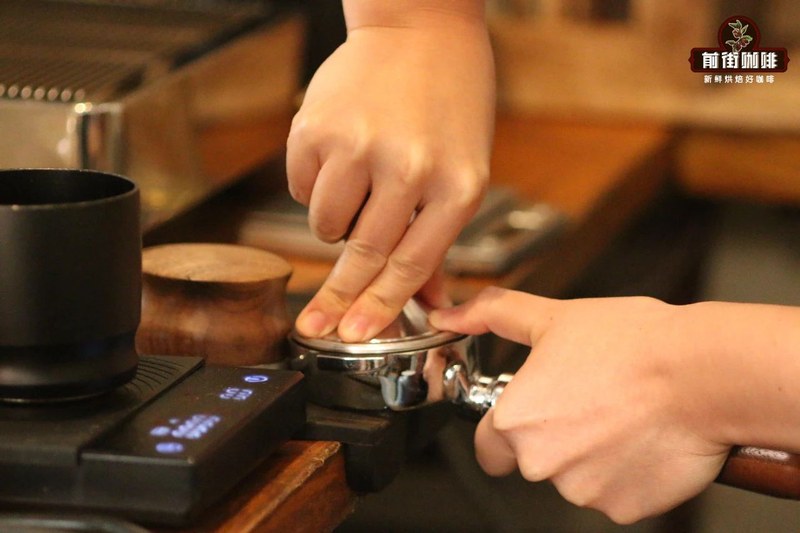
When making it with an espresso machine, you can use a double basket filled with 18.5g of finely ground coffee, and extract about 37g of espresso in around 26 seconds through constant-pressure extraction. The coffee liquid at this concentration is thick, and when poured into warm milk steamed to around sixty degrees, the roasted nut aroma quickly wraps around the sweetness of the lactose, forming a rich and rounded classic latte.
Compared with the inclusiveness of blends, the fun of making milk coffee with single origins lies in breaking conventional taste expectations. By extracting directly with beans from a single origin, milk is no longer just a carrier for nuts and cocoa; instead, it amplifies the floral and fruity notes or fermented character of the origin, and the resulting milk coffee often carries a surprising layering similar to juice milk or fruit cheese.
If you want to experience a milk coffee with a distinctly fruity character, Qianjie Strawberry Candy Coffee Beans can bring a lively and interesting recognizability. This bean itself has the rich sweetness of ripe berries and strawberry gummies, with a light and bright acidity. After adding milk foam, it is not overpowered by the milk fat; instead, it makes the milk taste like a cup of strawberry fruit dessert, with a lively sweetness in the aftertaste.

If you want to taste its single-origin personality before preparing milk coffee, you can also calibrate the flavor by pour-over. Take 15g of coffee grounds, pour in 90°C hot water, use a 1:15 coffee-to-water ratio with a total water amount of 225ml, and keep the total extraction time at 2 minutes. Use a three-pour method: pour 30ml of water to bloom for 30 seconds, pour steadily to 130ml, then after the liquid level drops, pour the remaining amount to 225ml, so you can clearly identify the brightness of its fruit aromas.
If you are not used to single origins with livelier fruit acidity, but still want to taste the purity of a single estate, Qianjie Brazil Queen Estate is a comfortable transfer station. As a representative of the Yellow Bourbon variety, it has very mild acidity and prominent caramel sweetness, while giving off the soft aroma of roasted peanuts and cocoa beans. When blended with dairy, it is neither jarring nor lacking, and it shows a clean regional flavor.
If you use a home moka pot to make the coffee base in daily life, this Brazilian single origin also performs very well. Pour 100ml of water into the lower chamber, fill the filter basket with ground coffee and level the surface, then heat it on the stove over medium-low heat for 1 minute and 40 seconds, and the liquid flows steadily into the upper chamber. Pour this concentrated coffee into twice its volume of warm milk, and you can prepare a sweet, easy-drinking nutty milk coffee.
Once you understand your own drinking habits, you can easily choose between the two camps. If you are rushing to work in the morning and need a cup of coffee with a heavy aroma that can quickly wake you up and delivers consistent results, blend beans are undoubtedly an efficient and worry-free partner; if you want to try novel and interesting aroma collisions on a leisurely afternoon, choosing a single-origin bean with a distinctive flavor to make a specialty milk coffee will bring you plenty of freshness.
The process of choosing beans for milk coffee is actually about finding a rhythm that suits you between the steady reliability of blends and the distinct personality of single origins. As long as you adjust the extraction parameters properly according to the characteristics of your equipment, and understand the flavor focus behind the beans, whether it is the traditional rich dark nutty tone or the lively fruity sweetness, you can serve a satisfying cup of good coffee at home.
Related Reading








Comments (0)
Loading comments...
You May Be Interested




Trending Reviews
Popular Videos

With you, wherever you are! We provide useful features to help you find new things you'll love






