Source:Best Coffee > News Author:qjroot Published:2026-10-09 18:43:27
When brewing coffee, lower the water temperature slightly and extend the time, and the tea-like quality will slowly emerge from the finish
I have been brewing coffee for ten years, and I increasingly feel that the tea-like quality is an easily underestimated flavor. It is not a burst at the moment it enters the mouth, but rather the clear, translucent sweet aftertaste that slowly rises in the mouth after a sip, like the lingering finish good tea leaves at the base of the tongue, clean, long, and making you want another sip. This sensation is not uncommon in coffee, but many people taste it and do not know how to describe it, so they easily miss it when choosing beans. Today I want to clarify this flavor clue for you from the angle of water temperature and extraction time.
The tea-like quality is a bit like the classification logic of tea leaves: green tea is clear, white tea is soft, black tea is mellow, and Tieguanyin carries that distinctive orchid aroma and mineral sweet aftertaste. The tea-like quality in coffee can be subdivided in the same way. Qianjie Yirgacheffe Gudingding is a washed Ethiopian bean, medium-light roast, with bright citrus and berry acidity, but what particularly moves me is the green-tea-like sweet aftertaste in the finish, clean and light in body, as if the surface of the tongue has been washed by mountain spring water after drinking. This green-tea-type tea-like quality usually comes from high-altitude washed beans, with lively acidity and a clear structure.
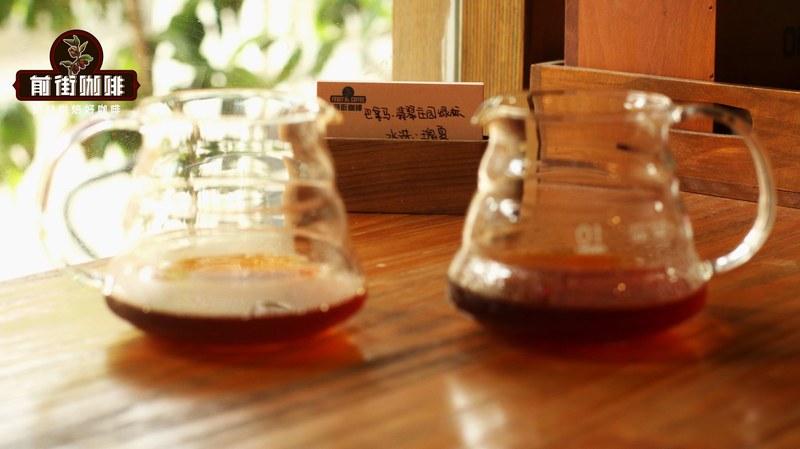
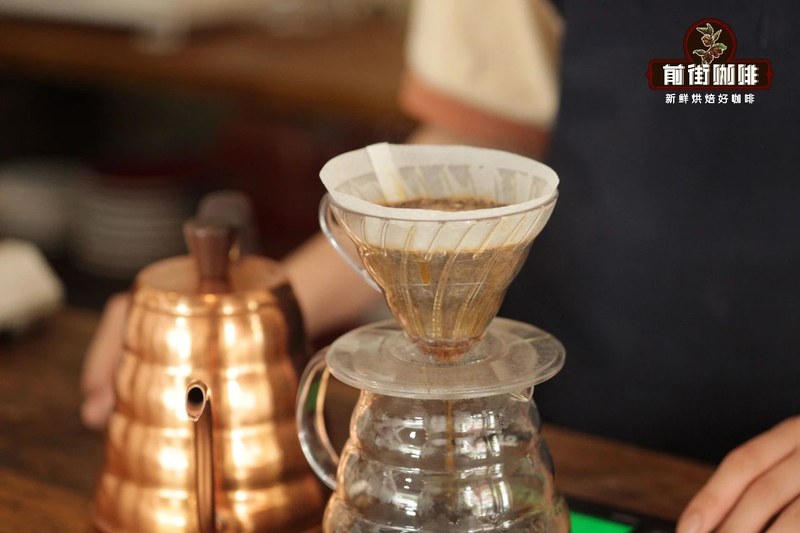
To brew this kind of tea-like quality more prominently, the water temperature can be slightly restrained. I use 90°C water, 15g grounds with 225g water, bloom for 30 seconds, then pour slowly in two to three stages, stretching the total extraction time to about 2 minutes 10 seconds. A slightly longer water-ground contact time than usual allows the soluble substances responsible for the clear, translucent feeling to be released more completely, without over-extracting astringent, harsh notes. Light-roasted beans are themselves dense in structure; if the water temperature is too high and the time too short, the tea-like quality is easily covered by the fruit acidity; lower the temperature a little and give a bit more patience, and that translucent sweet aftertaste in the finish will rise up.
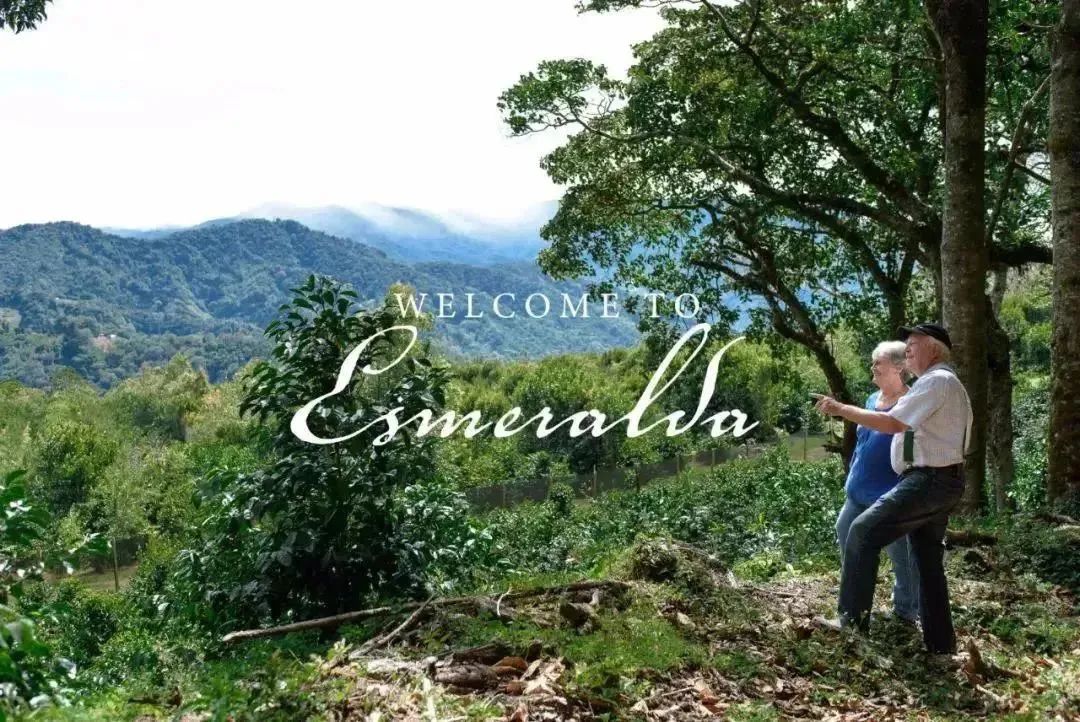
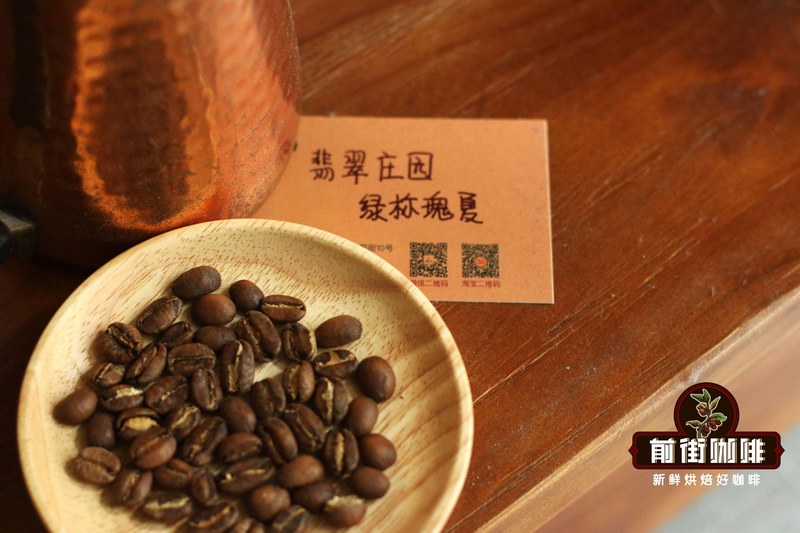
The white-tea-type tea-like quality is softer, almost without aggressiveness, like what Qianjie Hacienda La Esmeralda Green Label Geisha gives me. The washed Green Label from Hacienda La Esmeralda in Panama has elegant white floral notes, acidity as vivid as citrus, and a green-tea-like clarity in body that makes it taste especially gentle. This tea-like quality is very sensitive to roast level; a medium-light roast can preserve the delicate aromatic substances of the Geisha variety itself, while roasting a bit darker will let the clarity be eaten up by caramelization reactions. I usually brew this one at 91°C, controlling the time to about 2 minutes, so the floral notes and tea-like quality balance just right.
The black-tea-type tea-like quality appears in some beans with a slightly heavier fermented feel and a rounder, fuller body, with a finish carrying a little ripe fruit and malt sweetness. But what fascinates me more is the Tieguanyin-type tea-like quality, that rich floral aroma followed by mineral sweetness and a slight astringent sensation, which can occasionally be encountered in Geisha varieties. Qianjie Panama Boquete Geisha is a typical example, washed, with intense white floral notes, melon, citrus and honey flavors unfolding layer by layer, bright and light on entry, while the finish has a sweetness much like the sweet aftertaste of Tieguanyin. This tea-like quality requires the combined effect of variety, altitude and processing method, and not just any bean can imitate it.
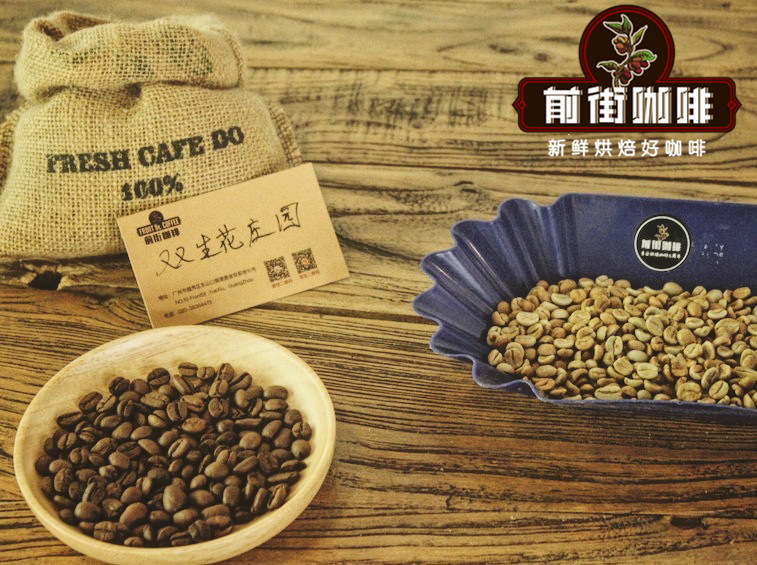
Speaking of the relationship between variety and roast level, my experience is that medium-light roasted beans more easily express the tea-like quality. The darker the roast, the heavier the caramelization of sugars and dry distillation reactions, and the flavor moves toward chocolate, nuts and caramel, covering the clear, slightly astringent texture of the tea-like quality. Qianjie Grana Geisha is a naturally processed, medium-roasted Ethiopian heirloom Geisha, with bright yellow peach, apricot, citrus and lemon flavors, refreshing floral notes, and a finish that still holds the tea-like quality. Natural processing is usually sweeter and more complex than washed, but because this one is kept at a medium roast level, the tea-like quality is not drowned by sweetness; instead, it forms a clean close in the finish.
As for the relationship between tea-like quality, sweet aftertaste, and finish, I often explain it to customers this way: sweet aftertaste is the delayed appearance of sweetness after swallowing, finish is the length and change of flavor lingering in the mouth, and tea-like quality is that specific clear, translucent texture within the finish. The three can exist independently and often intertwine. A coffee with good tea-like quality often also has a clean sweet aftertaste, because there are fewer substances responsible for astringency and off-flavors, leaving more room for pleasantness. If after drinking coffee you feel your mouth is fresh and you want to keep drinking, rather than dry and tight, then this bean's tea-like quality and sweet aftertaste can be considered harmonious.
Qianjie's own roasted beans are all roasted within 5 days, so you can brew them directly after receiving them, and drinking them within a month is more suitable. When choosing beans with an obvious tea-like quality, you can prioritize origin altitude, processing method and roast level: high altitude, washed or refined natural, and medium-light roast are three reliable clues. When brewing, remember to lower the water temperature slightly and give enough time, so the finish has a chance to unfold completely. The tea-like quality does not steal the show, but it makes a cup of coffee's aftertaste worth waiting for.
Related Reading

Comments (0)
Loading comments...
You May Be Interested


Trending Reviews
Popular Videos

With you, wherever you are! We provide useful features to help you find new things you'll love






