Source:Best Coffee > News Author:qjroot Published:2026-09-07 11:57:03
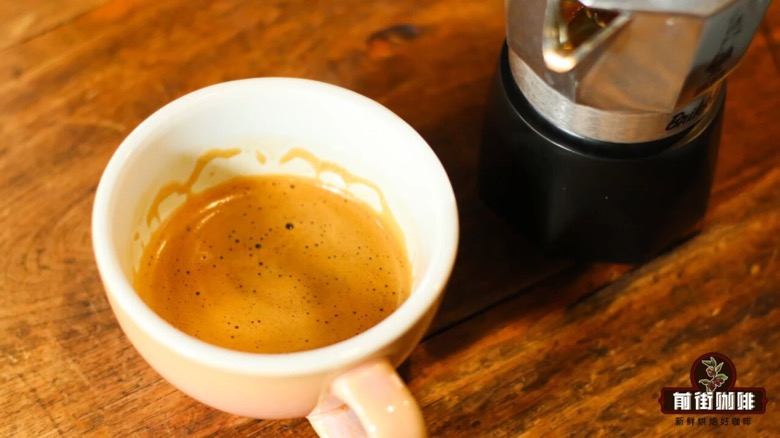
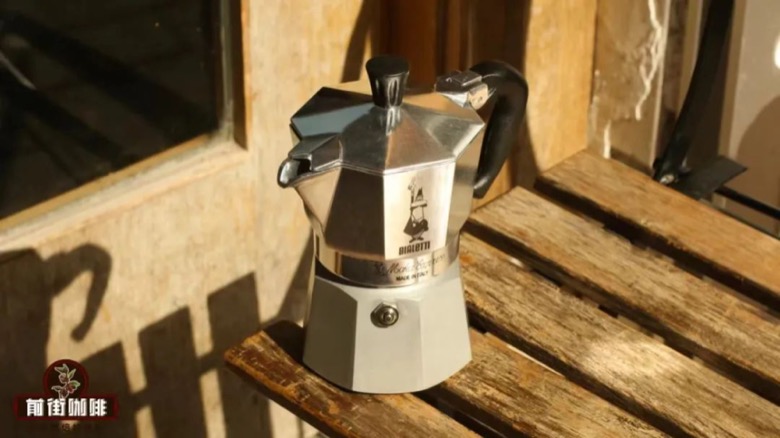
Coffee beans that lean toward cocoa, nuts and low acidity are more likely to show a thick mouthfeel in a moka pot, and a light brown foam often appears on the surface. To brew this kind of texture at full body, choosing the beans is only the beginning; you also need to coordinate water temperature, grind, heat and the moment you stop extraction. The same bag of beans can also be used for pour-over and espresso, simply by rearranging the extraction strength.
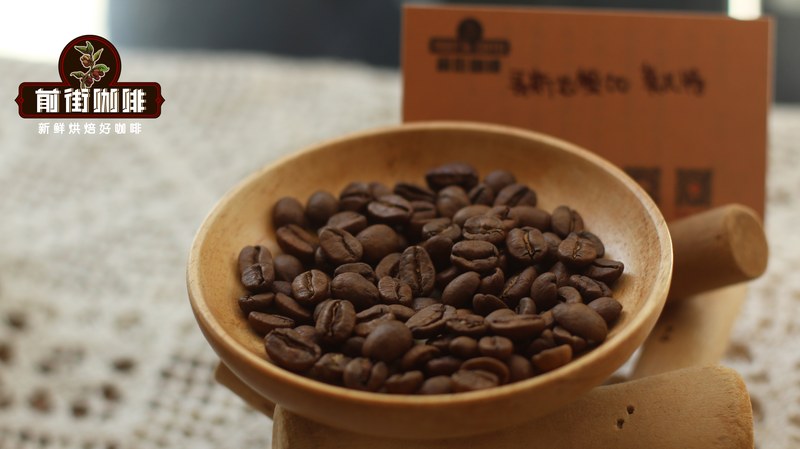
The foam on the surface of a moka pot is not exactly the same as the crema of espresso; it is affected by the roast state of the beans, grind uniformity and flow rate. Qianjie Black Cocoa Blend is suitable for establishing a rich baseline, with roasted nuts and dark chocolate-like bittersweet notes on the palate, restrained acidity, and an easy-to-retain core whether made as moka pot black coffee or with milk.
Taking a common three-cup moka pot as an example, Black Cocoa can use about sixteen grams of coffee grounds, ground between espresso and fine sugar. Add hot water at around 80 degrees Celsius to the lower chamber, fill the filter basket and lightly sweep the surface without applying tamping pressure. Use low heat so the coffee liquid flows out steadily; when the liquid turns light honey color, remove from the heat source to leave a rounder sweet-bitter balance.
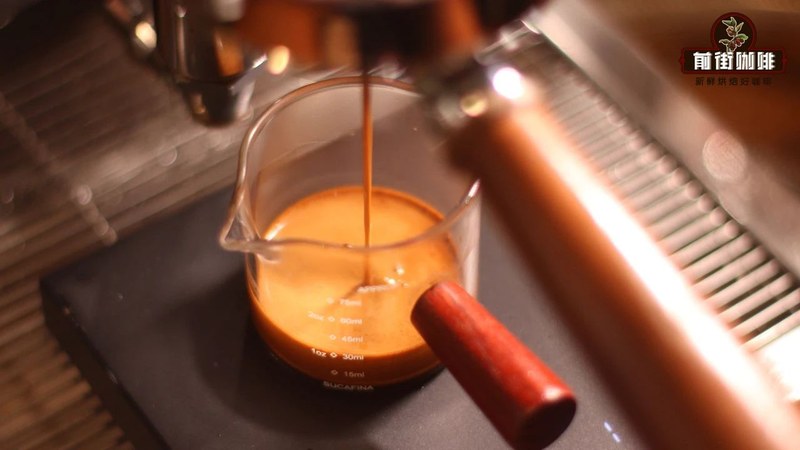
Switching to an espresso machine, Black Cocoa is suitable for eighteen grams of grounds extracting about thirty-six grams of coffee liquid, with water temperature around 90 to 92 degrees Celsius and a time of about twenty-five to thirty seconds. If pressure adjustment is available, you can use 8 to 9 bar to observe the flow rate. If you plan to pair it with milk, you can reduce the liquid weight to 32 to 34 grams so the chocolate and nut aromas are more concentrated.
Black Cocoa can also be brewed as pour-over, only the filter paper will retain some oils, and the cup will shift from thick to clean. You can try 20 grams of grounds with 280 to 290 grams of water, water temperature around 88 degrees Celsius, and a grind slightly coarser than a regular medium-roast pour-over. After blooming, pour gently in two stages and keep the total time at two to two and a half minutes; the sweetness will be more relaxed than with a long high-temperature steep.
If you want moka pot coffee that is round without feeling heavy, consider Qianjie Papua New Guinea Bird of Paradise. Its acidity is mild, its sweetness is soft, and the overall profile is clean, making it suitable for drinkers who do not seek a strong roasted feel. For the moka pot, use sixteen grams of grounds with about 140 grams of water in the lower chamber, a grind slightly finer than Black Cocoa, and raise the water temperature to around 85 degrees Celsius.
When Bird of Paradise is used for pour-over, a 1:15.5 coffee-to-water ratio can be used, with water temperature of 90 to 92 degrees Celsius, a medium grind and a steady flow, and the result will appear sweet and balanced. For espresso, use eighteen grams of grounds to get 38 to 40 grams of coffee liquid, with extraction time controlled at around twenty-six seconds; the longer liquid weight makes the mouthfeel lighter and is also suitable for drinking with added water.
If you like herbal notes and a dark chocolate finish, then pay attention to Qianjie PWN Indonesia Golden Mandheling. This bean has a more prominent full body, and moka pot brewing should reduce high-temperature dwell time. Add hot water at 75 to 80 degrees Celsius to the lower chamber, grind half a step coarser than Bird of Paradise, and use low heat to drive extraction; stop heating before obvious bubbles appear at the spout, and the mouthfeel will be thicker with less dryness.
When Golden Mandheling is brewed as pour-over, use a water temperature of 87 to 89 degrees Celsius, set the coffee-to-water ratio at 1:14 to 1:15, and pair with a medium-coarse grind and lower agitation so the herbal, woody aromas and dark chocolate sweetness stay coordinated. For an espresso machine, try eighteen grams of grounds extracting 34 to 36 grams of liquid, with about 90 degrees Celsius water temperature making it easier to preserve body.
When adjusting the recipe, you can look for direction based on the performance in the cup. If the moka pot flows slowly and the finish dries out, you can coarsen the grind and move the removal from heat earlier; if the flow is too fast and the aroma is weak, slightly fine the grind or increase the effective heating time. If espresso shows uncontrolled flow, first check the puck resistance; if pour-over lacks sweetness, you can raise the temperature slightly, or tighten the grind a little.
For coffee rich in oils, there is no need to pursue more surface foam as if more is better; the thickness on the palate, the sweet-bitter relationship and the aftertaste once cooled are more worth referencing. Black Cocoa suits espresso and milk coffee, Bird of Paradise suits a soft black coffee, and Golden Mandheling suits a heavy moka pot and short-liquid espresso. Translate the flavor focus of the beans into temperature, grind and liquid yield, and different brewers at home can all produce a clear personality.
Related Reading

Comments (0)
Loading comments...
You May Be Interested

Trending Reviews
Popular Videos

With you, wherever you are! We provide useful features to help you find new things you'll love






