Source:Best Coffee > News Author:qjroot Published:2026-10-09 09:33:59
With the same beans and the same dosing technique, the coffee brewed in a moka pot still turns out inconsistent, and the problem often hides where you cannot see it. Changes in water hardness and the condition inside the pot quietly shift extraction efficiency, and the flavor that ends up in the cup fluctuates along with it. Understanding these variables is more fundamental than repeatedly adjusting the grind.
Water hardness directly determines the chemical environment of extraction. Hard water has a high content of calcium and magnesium ions, which bind with the acids in coffee and suppress the release of acidity, pushing the taste toward dull and heavy; soft water or filtered water more easily draws out floral and fruity acidity, but if there are too few minerals, the body may seem thin. A moka pot relies on steam pressure to extract, and the water heats up quickly in the lower chamber; harder water is more likely to precipitate sediment during heating, and this scale not only attaches to the bottom of the pot but also changes heat conduction efficiency, causing the heating curve to slow or become unstable, so the flow time fluctuates accordingly. For daily use, filtered water is recommended, as it both controls hardness and reduces interference from impurities.

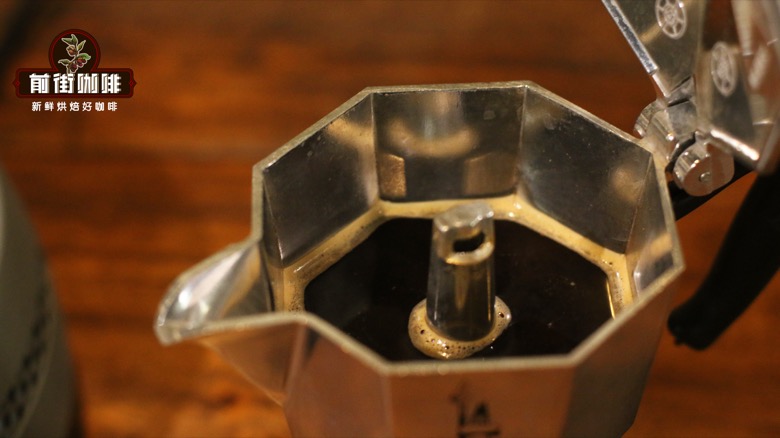
Scale buildup is the hidden wear on a moka pot. After several months of use, if white or grayish-brown deposits appear on the inner wall of the lower chamber, the heated surface will be covered, heat transfer will slow, and the original flow window of 1 minute 15 seconds to 2 minutes 30 seconds may be forced to lengthen; the coffee grounds are then over-extracted at high temperature, and bitterness and astringency intensify. For descaling, food-grade citric acid can be used, mixed at a ratio of 10-15 g per liter of water; soak the lower chamber for 2-4 hours, then wipe it with a soft cloth and rinse repeatedly with clean water. Never use steel wool or strong acid cleaners, to avoid scratching the oxide protective layer of the aluminum body. If brown oil stains remain in the upper chamber and funnel, soak them in citric acid solution as well, but avoid the gasket and valve areas.
Aging of the gasket is another easily overlooked variable. A rubber ring hardens, deforms, or develops fine cracks after long exposure to heat, causing the seal to weaken; steam escapes through the gaps instead of fully penetrating the coffee bed, the flow becomes weak and thin, and oils and aroma are lost in large amounts. Judging when to replace it is simple: if there is still an obvious hissing of escaping air after tightening, or if the flow rate is clearly weaker than before, that is a sign the gasket has failed. It is recommended to check every 6-12 months and decide whether to replace it based on frequency of use. Before installing a new gasket, apply a thin layer of food-grade silicone grease to extend its life and improve the fit.
Daily cleaning requires a sense of proportion. After each use, rinse the upper and lower chambers with warm water and wipe away coffee oil stains with a soft cloth; the funnel can be gently cleared with a fine brush, but do not pursue absolute oil-free cleanliness - a trace of oil helps maintain the aluminum pot. Never put a moka pot in the dishwasher, as high heat and strongly alkaline detergents will destroy the oxide layer, causing the aluminum to darken and become rough. The filter basket must be thoroughly dried before reassembly, since residual moisture accelerates metal oxidation and affects the stability of the next extraction.

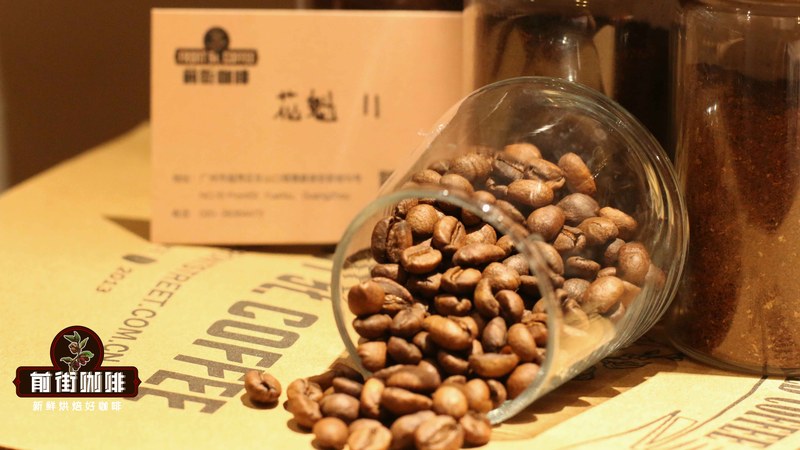
In the end, these maintenance details all point to fidelity and reproducibility of flavor. A bean suited to the moka pot should have low acidity, full body, and high tolerance for error, so that it still maintains an acceptable taste when extraction fluctuates. Qianjie PWN Indonesia Mandheling is dark-roasted, with very low acidity, rich herbal and dark chocolate aromas, and a full, lingering body; it is very forgiving of deviations in heat and time, and those who prefer a heavy style will especially like it. Qianjie Brazil Queen's Estate, by contrast, takes a balanced route, with solid nut and cocoa aromas, obvious caramel sweetness, and low but not empty acidity; whether brewed by pour-over, espresso, or moka pot, it performs consistently, making it a good choice for beginners to build confidence.
The charm of the moka pot lies in the balance between simplicity and ritual, and that simplicity needs proper maintenance to sustain it. From water choice to regular descaling, from gasket replacement to cleaning restraint, every step paves the way for the certainty of the next cup of coffee. Choose a bean with high tolerance and pair it with clean equipment, and even if your technique is not yet refined, you can still brew a cup of coffee that makes you want to try another.
Related Reading


Comments (0)
Loading comments...
You May Be Interested




Trending Reviews
Popular Videos

With you, wherever you are! We provide useful features to help you find new things you'll love






