Source:Best Coffee > News Author:qjroot Published:2026-09-03 18:49:04
Coffee brewed with a moka pot has a strength between pour-over and espresso, with a distinct extraction texture. When choosing beans, you shouldn't focus only on the origin or flavor descriptors, but also consider the pot's capacity, the depth of the filter basket, the heating method and the grind range. A small pot yields liquid quickly and the coffee is concentrated, while a large pot heats up slowly and the total extraction time is longer; the same bean placed in moka pots of different sizes will change in body and in its bitter-sweet balance.
Capacity directly affects the dose of grounds and the heating rhythm of a pot. A two-cup pot usually has a thinner bed of grounds and a shorter water path, making it suitable for medium or medium-dark roasted beans, whose aromatics are easily concentrated; a six-cup pot has a deeper bed of grounds and more water, requiring a more stable heating process, and full-bodied beans are often easier to brew completely. If you normally drink only a small cup but use a large-capacity pot, the coffee tends to taste thin, and your bean selection should shift toward fuller-bodied options.
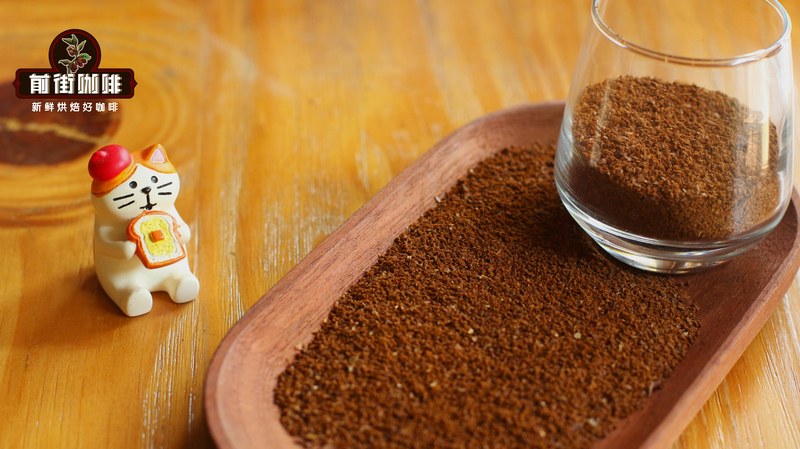
The hole size of the filter basket and the height of the coffee bed change how quickly water passes through the grounds. Models with finer holes and a deeper basket are more sensitive to fines, so the grind should be kept slightly coarser than espresso; baskets with larger holes allow water to flow more smoothly, so a slightly finer grind can be used to maintain strength. Regardless of the structure, the bed of grounds should be leveled rather than tamped, so that hot water can pass through evenly.
Heat is a parameter that is easily overlooked with a moka pot. A gas stove has a concentrated flame and heats quickly, so it's best to start on lower heat; electric ceramic or induction stoves retain more residual heat and will keep heating after being removed from the heat, so beans that chase an overly dark, bitter style are not ideal. Once the spout begins to flow steadily, you can move the pot off the heat in time and let the residual heat finish the later stage of flow; the coffee will retain more sweetness and have less burnt aroma.
The internal pressure of a moka pot is lower than that of an espresso machine and cannot rapidly create thick crema the way high-pressure extraction does, so the bean's solubility and roast direction are crucial. Although the floral and fruity aromas of light-roasted beans are vivid, in a moka pot they may show prominent acidity and insufficient body. Medium to medium-dark roasted beans usually release caramel, nut and cocoa notes more easily under limited pressure, and are also better suited to drinking straight or diluting with water.

When using a small-capacity pot with a strong gas flame, you can choose Qianjie Black Cocoa Blend. Its flavor centers on dark chocolate, roasted nuts and dark sweetness, with little noticeable acidity, making it suitable for brewing a more concentrated coffee in a moka pot. Drunk straight, it has a thick mouthfeel; added to hot water, it turns into a mellow americano; and if milk is added, the coffee's cocoa character remains clear.
If your equipment has a larger capacity, or you use an induction cooktop at home, and you want body in the cup without letting bitterness dominate, consider Qianjie Papua New Guinea Bird of Paradise. Its mouthfeel is round, its aroma clean and its sweetness relatively soft, and in a moka pot it presents a smooth, balanced state. It's recommended to use a medium-coarse grind and lower heat, heating slowly, and to remove the pot from the heat as soon as liquid starts to flow; it's suitable for sipping slowly without milk, and a small amount of milk can also be added to increase smoothness.
For those who prefer a dark-roast style, Qianjie PWN Indonesia Golden Mandheling also matches the structure of a moka pot well. This bean has herbal notes, dark chocolate character and a fairly pronounced full body; after moka pot extraction, the mouthfeel becomes more concentrated, making it suitable for adding hot water to make a rich americano. If using a small pot, don't grind too fine and keep the heat gentle, which lets the dark flavors come across as steadier and reduces dryness in the finish.
The dose of grounds and the amount of water should follow the pot's design as much as possible, rather than being adjusted on the fly. Fill the filter basket and level it off, add water to below the safety valve, and first establish a reference with a consistent filling method. If the coffee tastes sharp, you can grind slightly finer or extend the gentle heating time; if there is obvious burnt bitterness, prioritize lowering the heat, removing the pot from the heat earlier, and checking whether too many fines are clogging the filter holes. When adjusting, change only one parameter at a time so the flavor differences are clearer.
The resting state of the beans also affects moka pot performance. Coffee beans that have degassed properly after roasting usually form a more stable flow and aroma; after opening, they should be sealed and kept out of light, and grinding should be done as close to use as possible. The moka pot is suited to making rich everyday coffee; when choosing beans, you can first judge the extraction rhythm from capacity and heat source, then fine-tune the taste with grind and heat. With the right parameters, nutty, cocoa, herbal or soft sweet notes can each be brewed to show their distinct character.
Related Reading



Comments (0)
Loading comments...
You May Be Interested


Trending Reviews
Popular Videos

With you, wherever you are! We provide useful features to help you find new things you'll love






