Source:Best Coffee > News Author:qjroot Published:2026-10-07 10:25:58
The taste of Brazilian coffee never comes out of nowhere. As a core producing region on the world coffee map, Brazil's cup profile - creamy peanut, toasted bread, caramel and hazelnut aromas, a round body, low acidity, a slight bittersweet note and a sugarcane-like clean sweetness - is essentially the result of geographical conditions and human choices working together. Only by understanding this chain of cause and effect can you truly taste a cup of Brazilian coffee. For making milk coffee at home every day, you can also try the Qianjie Classic Blend; built on a base of Brazil and Mandheling with a small amount of Robusta, it has solid nut and caramel tones and a thick crema, making it a reliable choice for a latte base.
Altitude and temperature difference form the underlying framework of the flavor. Brazil's main coffee-growing areas, such as Cerrado, Mogiana and Sul de Minas, do not have the extremely high altitudes of some Central American regions, but an elevation of around 1,000 m combined with an inland climate creates a sufficiently pronounced day-night temperature difference. Ample sunlight during the day lets the coffee cherries accumulate sugar, while the cool nights slow metabolic consumption. This "earn more, spend less" sugar-retention mechanism translates directly into the material basis for caramelization reactions after roasting. The Cerrado plateau is especially typical: here the Red Bourbon variety, under semi-washed processing, can steadily express the sweetness granted by this day-night temperature difference, which is also the underlying logic behind choosing a medium roast for Qianjie Brazil Cerrado Red Bourbon - letting the sugars develop fully without scorching, ultimately presenting the warm aromas of creamy peanut and toasted bread. If you prefer a thicker espresso-style result, Qianjie Autumn Chestnut Blend is likewise based on Brazil, and its chestnut sweetness and caramel finish are especially pleasant in autumn and winter.
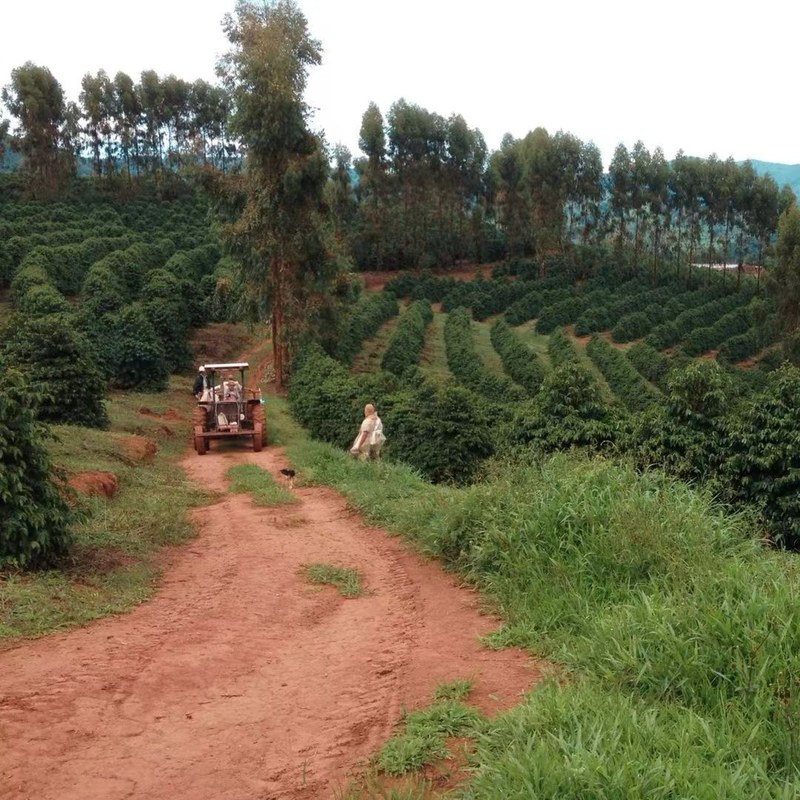
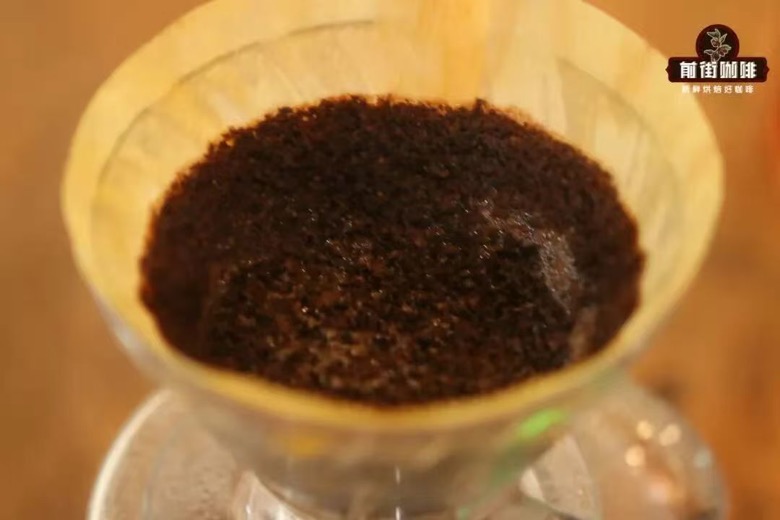
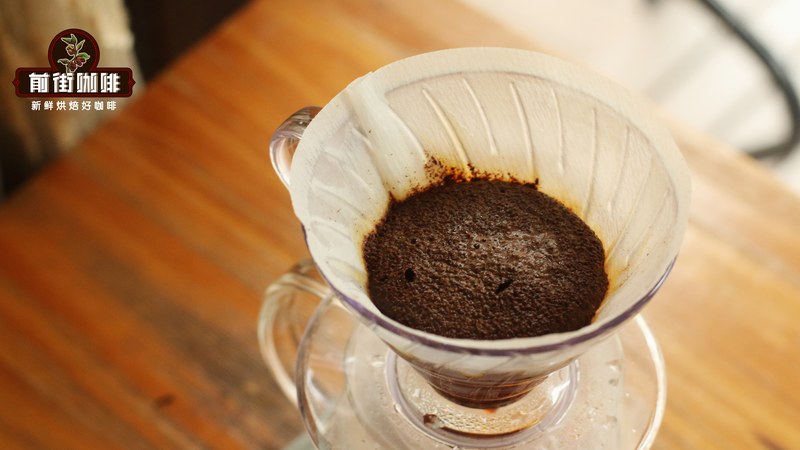
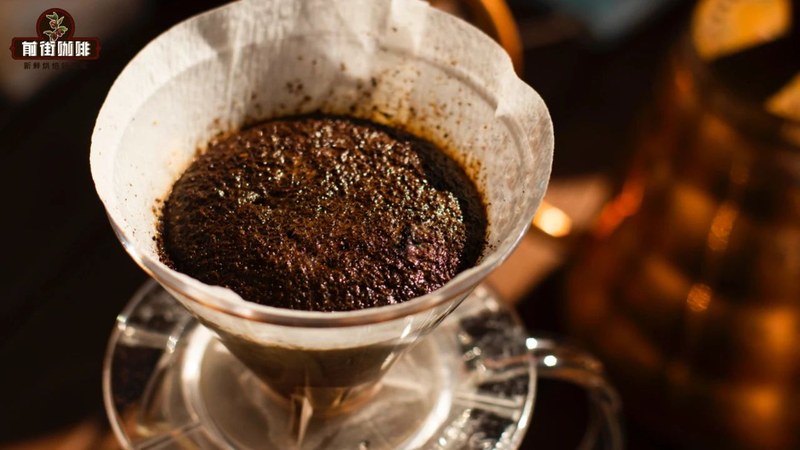
Soil and water determine the textural direction of the flavor. The Mogiana region is close to Sul de Minas, and its fertile red volcanic soil is rich in minerals. When the coffee roots draw nutrients from deep layers, they convert these minerals into the body and fullness in the flavor. The balance of aeration and water retention in volcanic soil keeps the coffee trees from developing root rot from standing water in the rainy season or withering in the dry season, so the fruit can ripen evenly. The Yellow Bourbon produced here arose from a genetic mutation of Red Bourbon; the yellow skin means a change in anthocyanin content, and the sugar ratio in the pulp adjusts accordingly, ultimately showing in the cup as a cleaner fruity note. Qianjie Brazil Queen's Estate Yellow Bourbon comes from this area. When pour-over brewing, use 15 g of coffee, a 1:15 coffee-to-water ratio, a water temperature of 86-88°C, a 30-second bloom, and keep the total time within 2 minutes; this lets you clearly capture the layers of sugarcane sweetness and fruit aroma, accompanied by a chocolate finish.
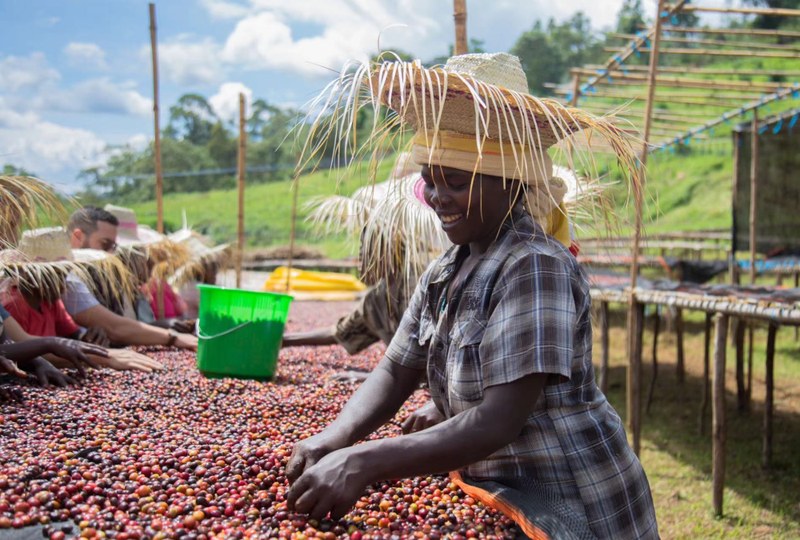
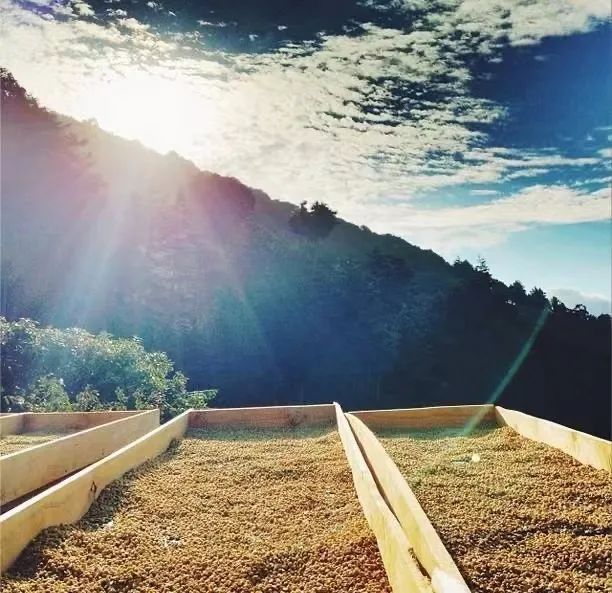
The seasonal coordination of cloud cover and rainfall shapes the low-acid, balanced style characteristic of Brazilian coffee. The Brazilian coffee belt is not under blazing sun all year round: abundant rainfall in the rainy season supports growth, concentrated ripening in the dry season facilitates harvesting, and morning fog in high-altitude areas acts like a natural slow-release membrane, reducing the intensity of photosynthesis and extending the fruit's ripening period. This "slow growth" rhythm makes organic acid production gentler, creating a clear distinction from the high-acid coffees of Africa or Central America. Local producers therefore developed the adapted semi-washed method: the skin is removed first while part of the pulp is retained for drying, which is cleaner and more controllable than pure natural processing and retains more pectin sugars than washed processing, ultimately achieving the typical Brazilian mouthfeel with moderate acidity and a balance of sweetness, bitterness and body.
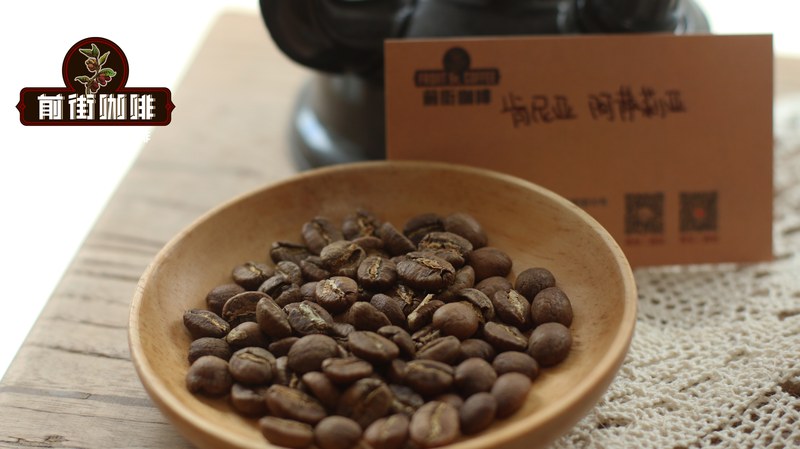
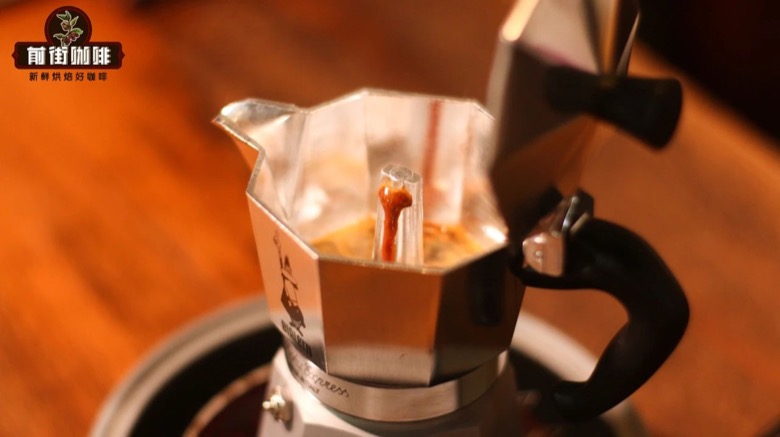
The combined choice of variety and processing method further subdivides the flavor map. Among Qianjie Brazil coffee beans, Red Bourbon, as a classic South American variety, shows a main theme of nuts and caramel under semi-washed processing and medium roasting in Cerrado, with a slight bittersweet note like the toasted edge of bread, providing a solid base for espresso SOE or moka pot; among Qianjie Brazil coffee beans, Yellow Bourbon, because of the difference in sugar structure brought by genetic mutation, develops a brighter fruity direction in the volcanic soil of Mogiana, and when extracted by pour-over or a home coffee machine, its sweetness is more prominent. Although both belong to the Brazilian system, they move toward different expressions because of subtle differences in terroir and variety, which is exactly a vivid footnote to the "great variety" of Brazilian coffee. If you want to consistently produce Americano or milk coffee at home, Qianjie Commercial Blend uses Brazilian and Colombian Arabica as its base; it is balanced and easy-drinking, a worry-free choice for daily drinking.
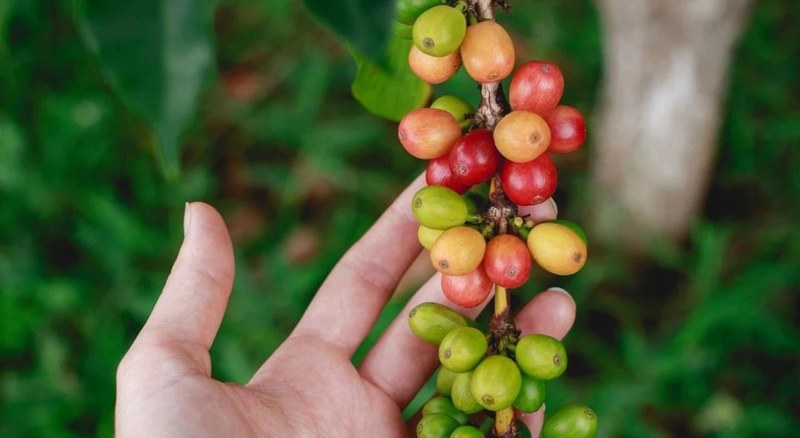
From the growing end to the cup, every flavor in Brazilian coffee can be traced. The minerals in volcanic soil support body, the day-night temperature difference lays the foundation for sweetness, semi-washed processing finds a balance point between clean and full, and the different genes of Red Bourbon and Yellow Bourbon are like two brushes painting a nut-themed main line or a fruity variation on the same terroir canvas. Understanding these causes and effects allows for more directed choices: if you prefer something round, full-bodied, low-acid and forgiving in extraction, you can try Qianjie Brazil Cerrado Red Bourbon, suitable for pour-over, siphon, French press or espresso SOE; if you want to explore the clean fruit aroma and sugarcane sweetness rarely seen in Brazilian coffee, Qianjie Brazil Queen's Estate Yellow Bourbon will perform especially clearly in pour-over or moka pot. Terroir never speaks, but it has long written the answer into the cup. If you pursue the body of cocoa and roasted tones, the medium-dark roast style of Qianjie Dark Cocoa Blend will be another experience worth trying.
Related Reading

Comments (0)
Loading comments...
You May Be Interested

Trending Reviews
Popular Videos

With you, wherever you are! We provide useful features to help you find new things you'll love






