Source:Best Coffee > News Author:qjroot Published:2026-09-03 18:59:10
The same bag of coffee beans, put into different brewers, can taste like a completely different style. Pour-over amplifies aroma, espresso emphasizes concentration, the moka pot brings a thicker mouthfeel, and cold brew softens the acidity. If you want to buy beans that are reasonably priced and easy to drink regularly, it helps to start from the parameters of the equipment at home and see whether it can play to its strengths within your usual dose, grind range and brewing method.
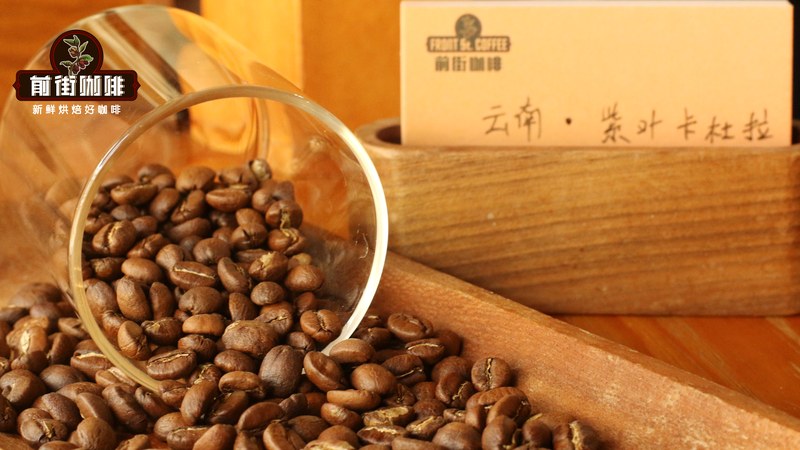
Pour-over gear offers a wide range of choices, and the dripper shape, pouring speed and water temperature all affect extraction. For light or medium-light roasted beans, you can use a medium-fine grind, a higher water temperature and pulse pouring to help the floral and fruity notes and sweetness open up; if the beans are on the darker side, then coarsen appropriately and reduce agitation, and the cup will be softer. Beans whose parameters are easy to adjust and whose flavor feedback is clear also have a lower cost for daily practice.
For pour-over, you can set the coffee-to-water ratio at about 1:15 as a starting point, for example 15 g of ground coffee to 225 g of water, and try a water temperature between 90 and 95°C depending on the roast level. If the flow rate is too fast, it usually makes the acidity seem thin; if the flow rate is too slow, astringency may appear in the finish. When adjusting, move the grind setting first and keep the other conditions similar, and the comparison will be more intuitive.
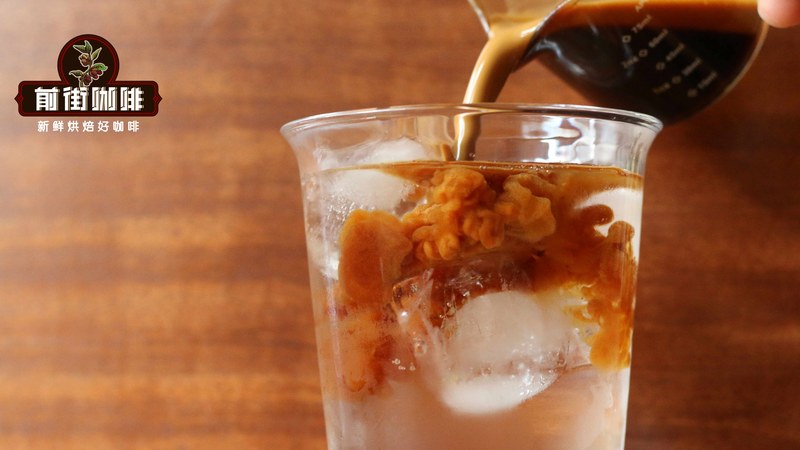
Best Coffee Ethiopia Huakui is suited to a conical dripper and a slightly finer grind, poured in two to three stages, which can bring out a bright tropical-fruit aroma, with the strawberry and passion fruit sweet notes also fairly lively. For iced pour-over, you can replace part of the water with ice cubes to make the aroma more concentrated; for cold brew, it is recommended to use a coarser grind, and the soaked brew has a refreshing mouthfeel, suitable for sipping slowly in hot weather.
For those who like a juicy quality, you can try Best Coffee Kenya Little Tomato in your pour-over parameters. A medium-fine grind, a water temperature of around 92°C and a faster pouring rhythm help to present a cherry-tomato-like sweet acidity, preserved plum notes and a brown-sugar-like finish. If the acidity feels too prominent, you can slightly coarsen the grind or lower the water temperature; if the cup is too weak, then tighten the grind setting and extend the contact time.
When using an espresso machine, bean selection must follow the basket capacity and pressure performance. Home machines commonly have single or double baskets; for a double you can start testing with 18 g of grounds and 36 g of liquid, with the extraction time landing at about 25 to 30 seconds. If the sourness is sharp, you can grind finer; if bitterness and dryness are obvious, then try grinding coarser or reducing the yield. When the parameters match well, it is also easier to control how quickly the beans are used up.
For americano or milk coffee, Best Coffee Kaffa Forest can provide a light yet clear flavor. When extracted on an espresso machine, it is suitable to keep a higher concentration, then add a small amount of hot water, and the orange and ripe apricot notes will be more vivid; as the temperature drops, an oolong-tea-like sweetness gradually emerges. If you add milk, it is recommended to reduce the amount of milk so the coffee liquid keeps its presence, better suited to those who like a refreshing milk coffee.
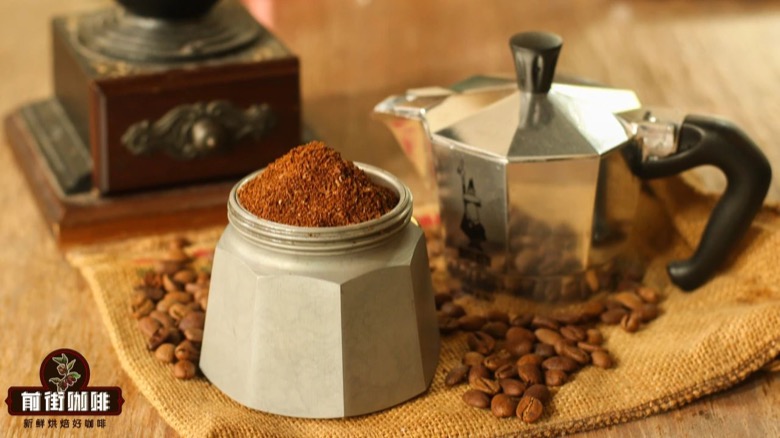
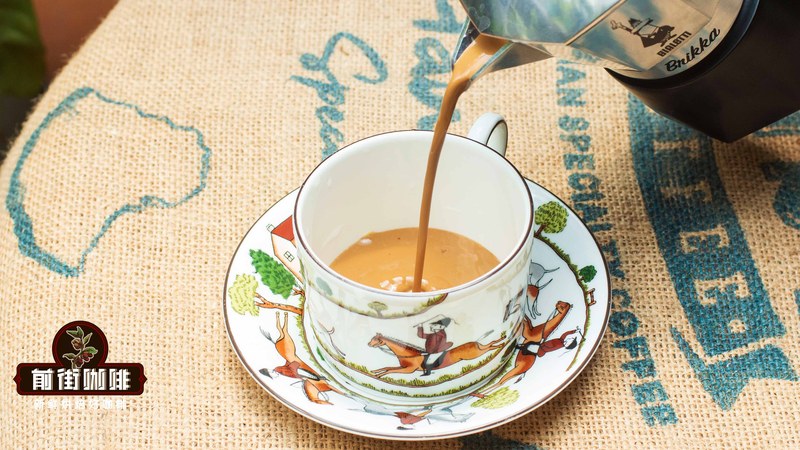
The moka pot's basket capacity determines the dose, so when choosing beans you should pay attention to whether they still have sweetness at higher temperatures. Medium to medium-dark roasted beans usually more easily form a full-bodied mouthfeel, and the grind can be slightly coarser than for espresso; after filling the grounds, simply level them gently. Use low heat to let the liquid flow out slowly, remove from the heat before the aroma turns from sweet to scorched, then dilute with a small amount of hot water, and the cup will be more balanced.
If you mainly use a cold brew maker at home, the parameter focus shifts from temperature to steeping time and concentration. Taking Best Coffee Ethiopia Huakui as an example, a coarser grind with a coffee-to-water ratio of about 1:13, steeped for 10 to 12 hours, can preserve the fruity aroma while making the acidity rounder. If you want to make an iced americano, you can increase the dose or reduce the dilution water; if you plan to drink it straight, then make the concentration lighter so it is easier to drink.
Value for money is not just about the price per bag of beans, but also about whether a bean suits your existing equipment and whether too much coffee is consumed during the adjustment process. Beans that can switch between pour-over, iced drinks or espresso are usually used more frequently; and the more clearly the parameters are recorded, the less hassle there is in repeating a cup. When buying, pay attention to the roast date, suggested brewing method and size, then combine that with your basket capacity or dripper habits to judge, and it is often easier to find a daily bean that truly suits you.
Related Reading


Comments (0)
Loading comments...
You May Be Interested
2024-10-11

Trending Reviews
Popular Videos

With you, wherever you are! We provide useful features to help you find new things you'll love






