Source:Best Coffee > News Author:qjroot Published:2024-09-01 18:35:15
African coffee holds an important position in the global coffee market, thanks to the African continent's rich natural resources. The African continent is vast and abundant in resources, consisting mainly of plateaus with an average altitude of 750 m, and home to numerous volcanoes, rivers and lakes. In addition, Africa straddles the equator, is mainly tropical, and has an annual average temperature above 20°C. The suitable climate and abundant resources have made African agriculture well developed, and quite a few countries are known for exporting coffee, including Ethiopia, which is Africa's largest Arabica coffee producer and is widely recognized as the birthplace of coffee.

Besides being the birthplace of coffee, it also has countless native coffee varieties. According to statistics, Ethiopia now has 10,000 to 15,000 coffee varieties, but most have not yet undergone formal genetic identification. Moreover, the country has an environment very suitable for coffee cultivation. The country is located in northeastern Africa, mainly mountains and plateaus, most of which belong to the Ethiopian Highlands. In addition, the East African Rift runs through the entire country, with numerous volcanoes lined up on both sides of the rift.
Although the country is located in the tropics and its climate is mainly tropical savanna and subtropical forest climate, due to the high altitude, temperatures are mild, with an annual average temperature of 16°C and a large temperature difference between day and night, roughly divided into a dry season and a rainy season. Volcanic ash provides fertile soil, and the high-altitude mountainous areas and suitable climate are very suitable for growing crops such as coffee.
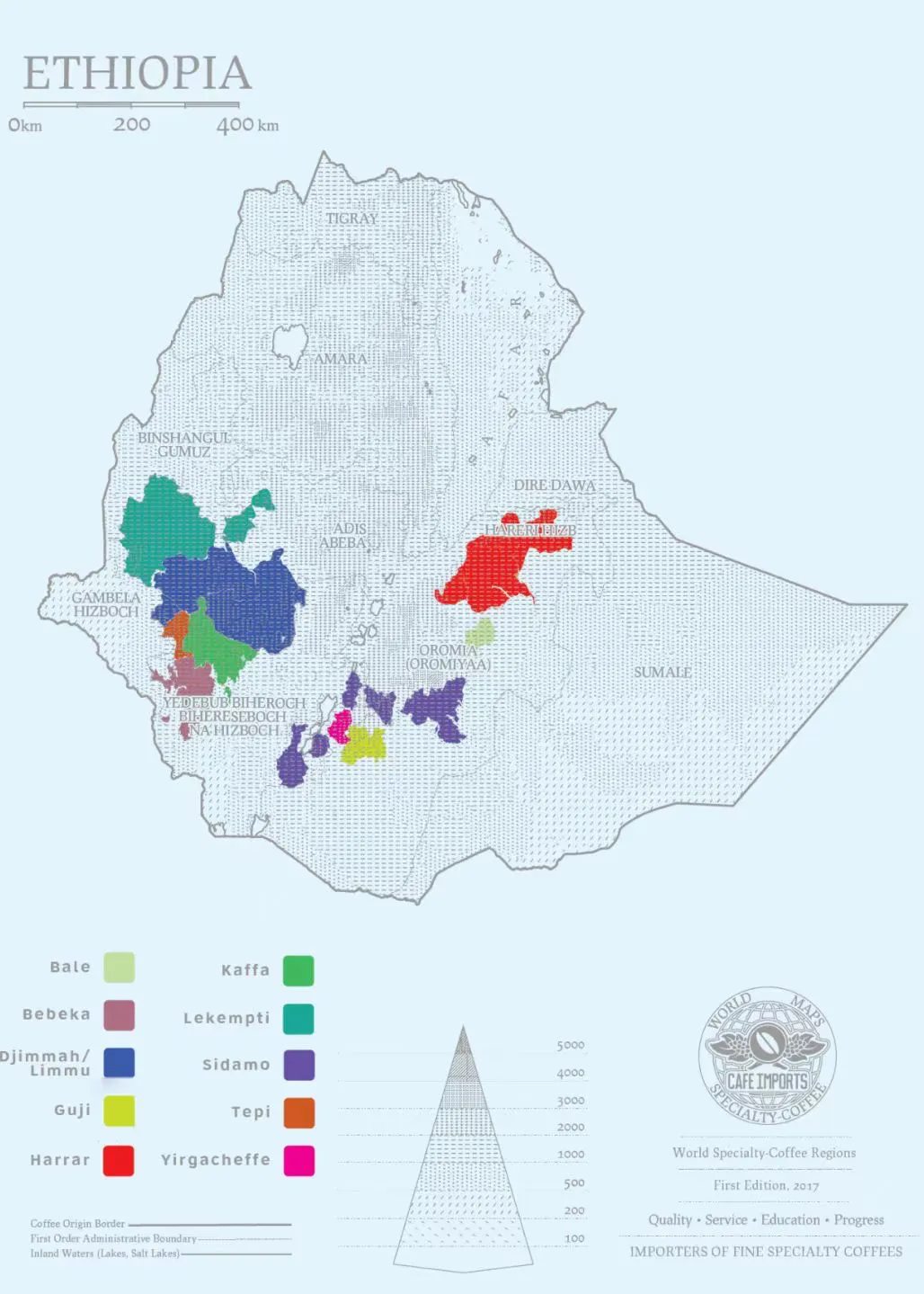
Currently, Ethiopia is divided into 12 states and 2 autonomous administrative regions, and is divided into 10 coffee producing regions, many of which are globally renowned coffee regions, such as Sidamo, Jima, Harrar, Guji and Yirgacheffe. Among them, Guji and Yirgacheffe originally belonged to the Sidamo producing region, but became independent coffee producing regions due to their unique flavors.
In terms of administrative divisions, Yirgacheffe is a small town under Sidama State (Sidama State originally belonged to the Southern Nations, Nationalities, and Peoples' Region, and became an independent state through a referendum in 2019), located in the south-central part of the country. This area lies in the East African Rift, with complex and diverse terrain featuring many mountains and volcanoes. It is near Lake Abaya, with abundant water resources. Coffee is grown on hillsides at an elevation of 1750-2200 m, where the soil is fertile and there is ample sunlight, making it very suitable for coffee cultivation.
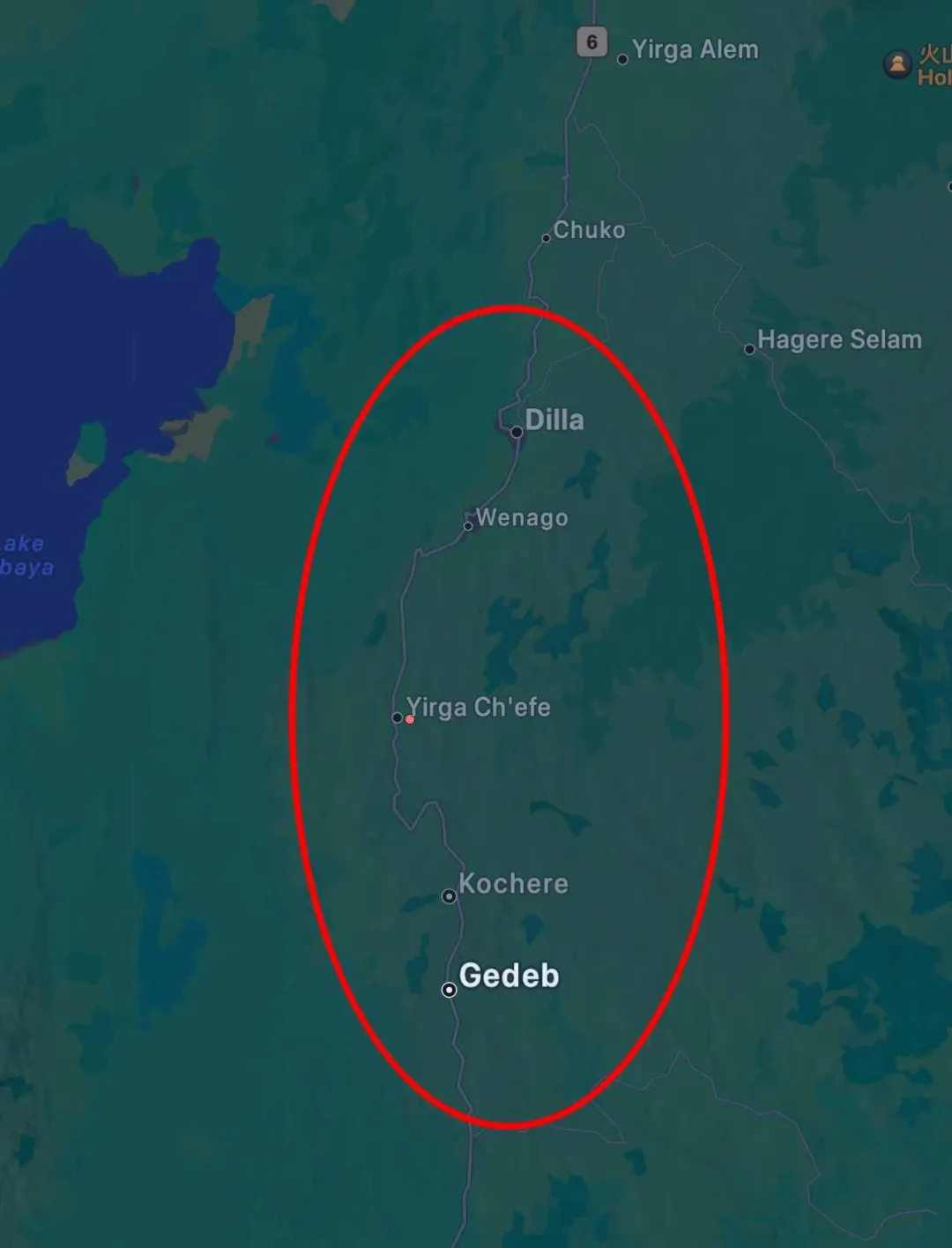
But the Yirgacheffe coffee producing region is not just the small town of Yirgacheffe; it also includes sub-regions such as Wenago, about 26 km north of Yirgacheffe town, and Kochere and Gedeb to the south of Yirgacheffe town.
Currently, because coffee in Ethiopia is mostly grown by smallholder farmers, and there are too many coffee varieties, with beans large and small and difficult to distinguish, coffee grading in Ethiopia is divided according to defect rate. According to the regulations of the Ethiopia Commodity Exchange (ECX), coffee is mainly divided into Speciality grade (few defects, high cup quality), Commercial grade (slightly inferior to Speciality grade), and Local / Domestic coffee (many defects, out-of-season or poorly stored coffee beans). What is exported to the international market is Speciality grade and Commercial grade.
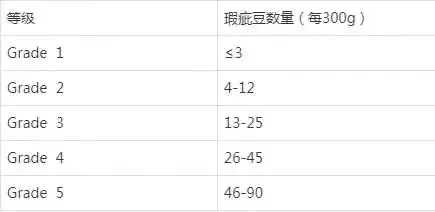
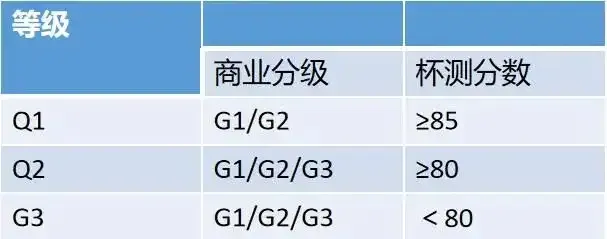
In addition, all coffees are divided into two categories, natural and washed, and graded according to the defect rate of a 300g sample inspection and basic cupping quality; afterwards, among them G1-G3 are cupped again according to SCAA (Specialty Coffee Association of America) standards, and among them G1 and G2 scoring no less than 85 points are rated as Q1 grade, G1, G2, G3 scoring between 80 and 85 are rated as Q2 grade, and all G1, G2, G3 below 80 points are rated as G3 grade.
Q1 and Q2 are classified as Specialty Grade for export. G4-G9 keep their original grades unchanged and, together with G3, are classified as Commercial Grade for export.
Among FrontStreet Coffee's daily beans series, there is also Yirgacheffe coffee beans from Ethiopia, this well-known origin, using the Heirloom variety (Heirloom), processed by the washed method, with floral, citrus and berry flavors after brewing, a lemon-like acidity and a refreshing mouthfeel. FrontStreet Coffee believes that Ethiopia is the birthplace of coffee and the largest coffee exporter in Africa; coffee beans from the African region are characterized by a distinct citric acidity, differing from the traditional mellow coffee flavor, and are the first choice for many people moving into specialty coffee, and they express the regional flavor of African origins very well.

To learn more about coffee origins, please scan the QR code to follow: Kaping
Long-press the QR code to follow:

Related Reading




Comments (0)
Loading comments...
You May Be Interested



Trending Reviews
2024-10-11
Popular Videos

With you, wherever you are! We provide useful features to help you find new things you'll love






