Source:Best Coffee > News Author:qjroot Published:2026-09-07 10:58:59
The hazelnut-colored foam on the surface of an espresso does not mean the beans are better the thicker it is. It is supported jointly by the oils, carbon dioxide and fine solids in the coffee, and the bean variety, roast and days after roasting all change its state. When choosing beans, you can understand "rich crema" as a need for stronger texture, then use machine parameters to bring sweetness, bitterness and aroma back into harmony.
If you prefer a dense and lasting crema, look for medium-dark roasts, cocoa-nut profiles or blends containing a certain amount of Robusta; such beans usually release gas abundantly, and the espresso texture is also thicker. All-Arabica can likewise form a beautiful crema, only its color and duration may be gentler. Obvious oil on the outside of the packaging only indicates the roasting and storage state, and cannot be used alone as a judging standard.
Qianjie Black Cocoa Blend is suited to aiming for dark crema and low-acid, thick sweetness, and in the cup it easily brings to mind high-purity chocolate, toasted nuts and the sweet aroma after caramelization. For a home semi-automatic, you can start trying with 18 g of grounds, 36 g of liquid weight, 26 to 30 seconds, with the water temperature set at 89 to 91°C. This set of starting points helps retain body while controlling burnt bitterness.
Pressure is not higher means more crema can be squeezed out. When the pump pressure shows around 9 bar, it is enough for the puck to have sufficient resistance; if the equipment supports pre-infusion, you can use low pressure to wet for 3 to 6 seconds, then enter the formal extraction, so that the coffee bed absorbs water more evenly. Dark-roasted beans have a loose structure, so the grind often does not need to be too fine, and keeping the tamp level affects the consistency of flow rate more than extra force.
Observing the flow can quickly calibrate the grind. If the early stage turns pale very quickly and the whole cup is thin with empty acidity, it is usually because water passes through too easily, and you can adjust the setting slightly finer; if it only drips for a long time without forming a stream, and the sip is dry with lingering bitterness, then back off a little toward coarser. If the crema has fine texture, feels viscous in the mouth, and still tastes sweet after cooling, it means the puck and liquid weight are well matched.
Qianjie Specialty Blend is composed mainly of Brazil Cerrado and Colombia Huila, with a tone falling between roasted nuts, caramelized sweetness and soft cocoa. If you want it to balance clean direct drinking and presence in milk coffee, you can use 18 g of grounds to extract 38 to 40 g, at 91 to 92°C; when the flow is even, the crema will not only look thick, and the sweetness will also unfold more easily.
For a short espresso with the same blend, you can keep the liquid weight at 32 to 34 g for a more concentrated texture, suitable for mixing with about 150 g of milk; for an Americano, put it at around 40 g then add hot water, and the finish will be more relaxed. If the machine can adjust pressure, maintaining a stable 8 to 9 bar is enough; high pressure easily amplifies channeling and causes local over-extraction, and although there is more surface foam, the cup may not necessarily be round.

The focus of Qianjie Strawberry Candy Coffee Beans is not on chasing a dark, thick layer, but on preserving berry-candy-like aroma and light sweet acidity. For espresso, you can try 18 g in, 42 to 45 g out, water temperature 92 to 93°C, with the grind one step coarser than a thick blend to make extraction smoother. When making iced Americano, first fill with ice water then pour in the espresso, and the aroma will be livelier than if it had been trapped in hot water for a long time.
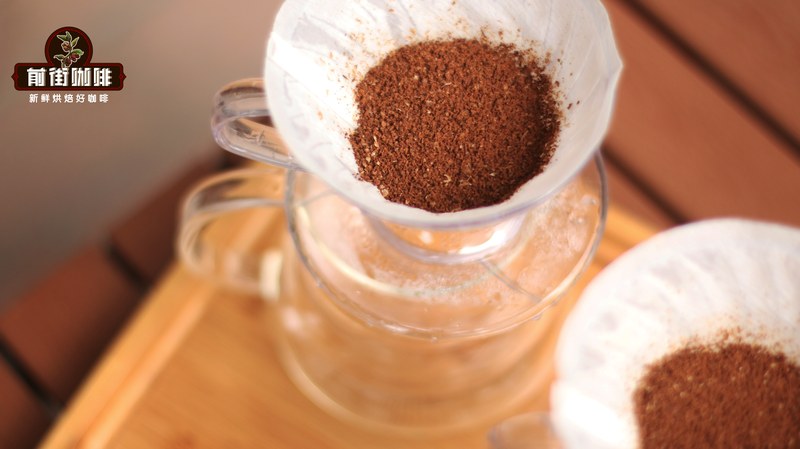
Espresso beans can also be brewed by pour-over, but medium-dark roasts should not simply copy a light-roast recipe. For Black Cocoa Blend, you can use 88 to 90°C water, 15 g of grounds with 225 to 240 g of water, a grind slightly coarser than regular light roast, and pour in three gentler stages. Reducing high-water-level washing can concentrate the chocolate and nut sweetness more, and also leave less charred feeling and dryness in the bottom of the cup.
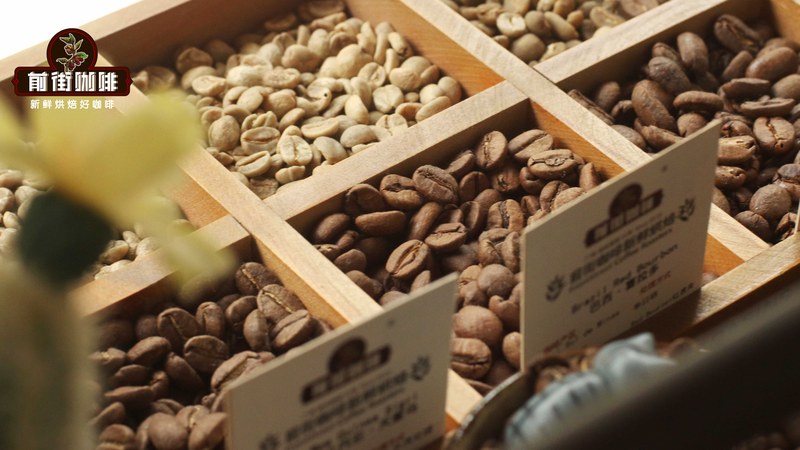
For pour-over with Specialty Blend, you can raise the water temperature to 90 to 92°C, with a grounds-to-water ratio of about 1:15.5, fully wetting the early stage and avoiding large agitation in the later stage, and the cup will move from caramel sweetness to a clearer cocoa finish. Strawberry Candy is suited to 92 to 94°C and a ratio of about 1:16, with a slightly faster flow to highlight bright fruit aroma; if adding ice, the total hot water amount needs to deduct the ice in the cup.
The degassing changes after the beans are opened will also make an originally suitable setting gradually run fast. When using them every day, recording the grounds amount, liquid weight, time and taste in the mouth is more useful for reference than only looking at crema height: when the aroma is stuffy, moderately raise the temperature; when the texture is thin, shorten the liquid weight; when dryness and bitterness rise, coarsen the grind. Let the cocoa thickness or fruity sweetness of the beans each stand firm, and only then will crema become part of a good drink, rather than an isolated appearance indicator.
Related Reading

Comments (0)
Loading comments...
You May Be Interested



Trending Reviews
Popular Videos

With you, wherever you are! We provide useful features to help you find new things you'll love






