Source:Best Coffee > News Author:qjroot Published:2024-07-06 18:34:29
Recently, although coffee futures prices have risen and fallen, they still remain high, especially robusta, which soared to above $4,000 per tonne at the end of May and has remained there since.This is all because the world's three major coffee-producing countries have all seen production declines. Earlier, Vietnam reported its coffee export situation for the first half of the year: affected by extreme heat and drought, production fell, and exports dropped by 10.5%.
High temperatures and drought are also affecting Brazil. Although earlier reports indicated that Brazil's production was trending upward, by June, when Brazil's coffee harvest season officially began, actual harvesting showed that the producing regions performed below expectations, with actual production lower than market expectations.
In addition, there is currently an even bigger problem, namely shipping. Recently, reports have indicated that multiple trade ports in Asia are facing tight capacity, port congestion, empty container shortages and the Red Sea crisis, with shipping prices soaring to levels close to those during the pandemic.
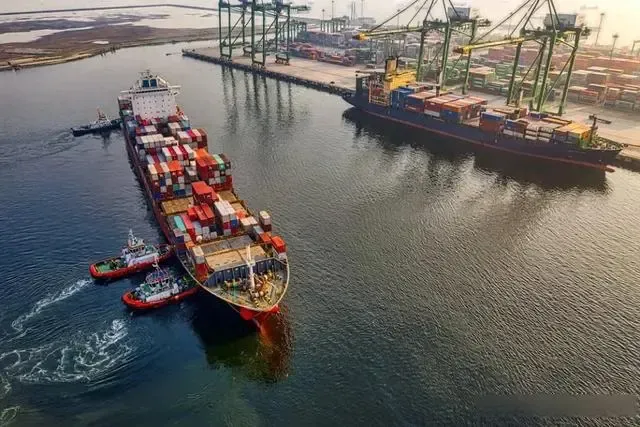
Some busy trade ports in Asia report that congestion is now occurring at many ports, and the congestion may last until August. Among them, the transshipment port of Singapore has seen particularly severe congestion in recent weeks, with the waiting time for container berthing extended from originally less than one day to two to three days.
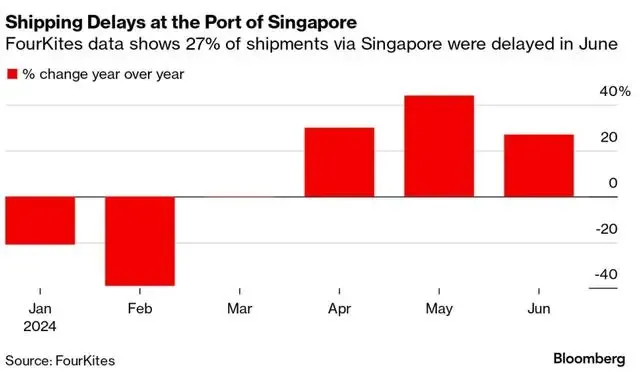
In addition, according to the shipping consultancy Linerlytica, due to congestion at the Port of Singapore, ships are choosing to go to other nearby ports, with cargo in Asia shifting to transshipment ports such as Port Klang and Port of Tanjung Pelepas in Malaysia, and as a result congestion has emerged at multiple ports in Asia.
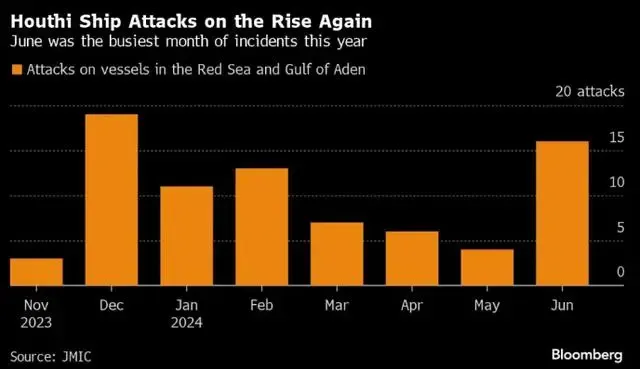
In addition, the Red Sea crisis still shows no sign of abating, and according to relevant statistics, the number of attacks on ships launched by Yemen's Houthi armed group in June hit the highest record of the year.
In early May, the Houthi armed group issued a new statement, once again expanding the scope of its strikes, targeting all ships of companies that had dealings with Israel in the Red Sea, the Arabian Sea, the Indian Ocean and the Mediterranean over the past few months, regardless of the nationality of these ships and where the destination ports are.
And according to data released by navies operating in the region, a total of 16 confirmed attacks on ships occurred in June, making it the month with the most attacks in a single month since 2024, and the second highest number in a single month since the attacks began, with the highest being December 2023.
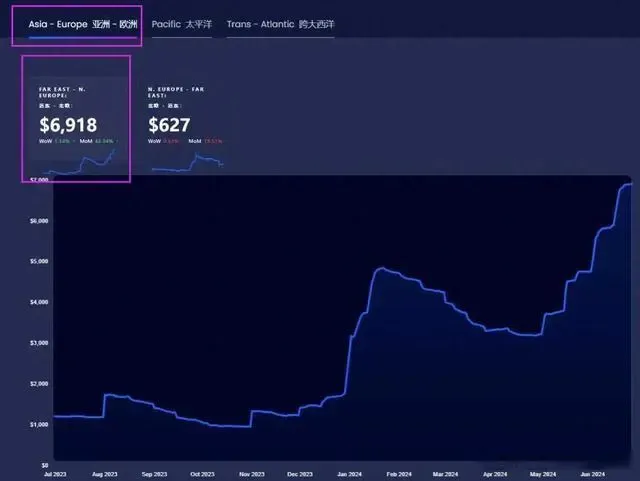
For the coffee trade, shipping is the main transport route, and the Red Sea is an important Eurasia route, affecting coffee exports from some coffee-producing countries. Moreover, according to Xeneta data, freight rates from Asia to Europe have soared from 1200 US dollars to nearly 7000 US dollars, and the increase in freight rates will also keep coffee trading prices high.
Shipping giant Maersk said the coming months will be challenging for shipping companies and businesses, as disruptions to container shipping via the Red Sea will continue into the third quarter of this year. Maersk's CEO stressed that Maersk will only return to the Red Sea route when the safety of seafarers, ships and cargo is guaranteed.
Related Reading







Comments (0)
Loading comments...
You May Be Interested





Trending Reviews
Popular Videos

With you, wherever you are! We provide useful features to help you find new things you'll love






