Source:Best Coffee > News Author:qjroot Published:2026-10-05 17:06:08
Milk is the gentle amplifier of espresso and also a strict filter of flavor. Whether a milk coffee tastes good depends on whether the chemical reaction between milk and espresso is harmonious. The fat content of milk directly determines the roundness of the mouthfeel. The roughly 3.5% milk fat in whole milk can wrap around the coffee oils and form a dense texture; and keeping the temperature between 60-65°C is especially key. In this range, the sweetness of lactose is fully activated without producing a cooked note from overheating, creating a natural layering of sweetness with the caramelized flavors of espresso. If the temperature is too low, the sweetness feels closed off; if too high, the protein structure is damaged, and the milk foam becomes coarse with a gamey smell.
Latte, cappuccino and Dirty are three methods with different requirements for the espresso base. A latte has a high proportion of milk, usually 1:4 to 1:5. A large amount of milk dilutes the coffee concentration, so it needs an espresso with enough body and flavor intensity to penetrate the milk layer, otherwise it tastes like warm sweet milk. A cappuccino has thick milk foam and a strong airy quality. The coffee flavor needs to contend with the light texture of the foam, requiring the espresso to have a solid nutty or cocoa backbone so it can maintain a presence within the dense foam. Dirty, by contrast, uses cold milk to directly receive hot espresso. At the moment where hot and cold meet, the aroma bursts out, but the temperature keeps changing during drinking: the first half is rich, while the milkiness rises in the second half. The bean flavor must be distinctive enough to remain perceptible throughout this "flavor roller coaster."
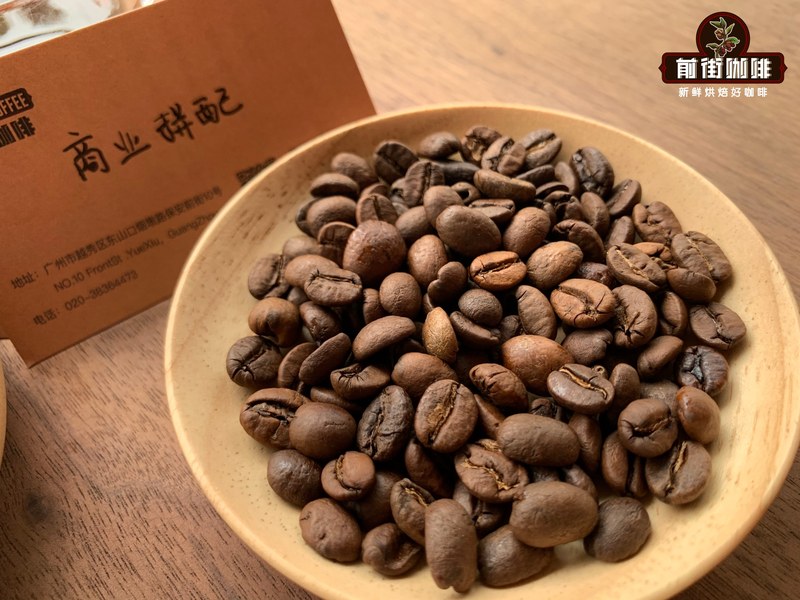
Beans with lively fruit acidity are often in an awkward position once milk is added. Bright acidity such as citrus and berry notes meets the proteins in milk and easily produces an unbalanced sour astringency, similar to the separation and curdling after mixing juice with milk, making the flavor muddy and thin. This is not because the beans are bad, but because the acid-base environment changes the taste experience. On the contrary, beans with high body and a main axis of cocoa, nuts and caramel have flavor molecules with high affinity for milk fat and can blend with each other rather than cancel each other out. After milk is added, they instead show a comforting direction similar to chocolate milk or roasted hazelnuts.
The design idea behind Qianjie Commercial Blend is based precisely on this logic. This blend uses Arabica beans from Brazil and Colombia as the main body, paired with a small amount of Robusta beans. The rich oils brought by Robusta become a bridge connecting with milk, and the caramel sweetness along with the flavor layers of nuts, cocoa and dark chocolate remain clearly recognizable in the milk. Its balanced acidity and sweetness make it especially stable in commercial settings. Whether for fast-paced latte service or cappuccino latte art needs, it can maintain flavor consistency. For cafes that need to produce a large volume every day, this trait of "still holding up after milk is added" is very important.
Qianjie Specialty Blend takes another classic route. The Arabica combination from the two producing regions of Brazil and Colombia points to a clear hazelnut flavor and is the espresso base used for a long time in Qianjie stores. Its high extraction success rate means that within the common espresso parameter range - 18-19 g dose, 36-38 g yield, 25-28 seconds extraction time - it can present a stable flavor profile, giving the operator more room for error. When this blend is made into a Dirty, at the moment the hot espresso falls into the cold milk, the hazelnut aroma forms a sharp contrast with the sweetness of cold lactose, and the flavor impact in the first two sips is especially clear; when made into a cappuccino, the thick milk foam does not drown out its backbone either, and the aroma remaining at the bottom of the cup still carries a roasted nut finish.
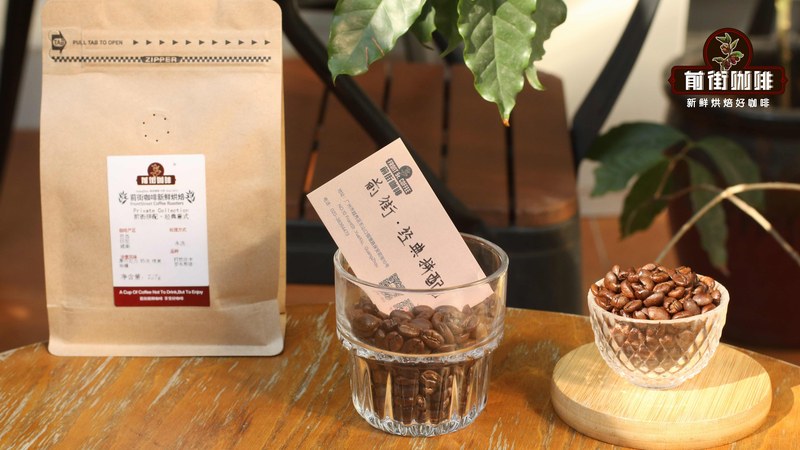
In a home setting, the moka pot is a convenient choice close to espresso. The water added to the lower chamber should be controlled at 80-140 ml, heated over medium-low heat for 1 minute 15 seconds to 2 minutes 30 seconds. Although the extracted coffee concentration is not as high as that from a commercial espresso machine, it is enough for milk drinks. At this point, the bean selection logic is the same as for an espresso machine: body first, fruit acidity gives way. Qianjie Commercial Blend and Qianjie Specialty Blend perform equally reliably in a moka pot, because both avoid high-acidity producing-region combinations, and the cocoa and nut base notes can still be released under slightly lower extraction pressure.
In the end, adding milk is not a cover-up for espresso, but a re-creation of flavor. Milk provides sweetness and tactile richness, espresso provides structure and personality, and the compatibility of the two determines the completeness of the cup. Choosing a blend with enough body and obvious cocoa-nut notes, letting the flavor extend naturally in milk rather than struggle hard, is the underlying logic for making a comfortable milk coffee. Qianjie Commercial Blend and Qianjie Specialty Blend each respond to this need in different ways. The former is known for its oils and richness, while the latter wins with classic hazelnut and stable extraction. Both are safe choices that "still hold up after milk is added."
Related Reading







Comments (0)
Loading comments...
You May Be Interested




Trending Reviews
Popular Videos

With you, wherever you are! We provide useful features to help you find new things you'll love






