Source:Best Coffee > News Author:qjroot Published:2026-08-29 20:31:47
Understanding coffee beans suitable for pour-over means turning flavor descriptions into sensations you can actually taste. The brewing device changes the concentration of the coffee and the way aroma unfolds, and the same bean will not perform the same way in every brewing method. Floral notes, fruity acidity, nuttiness and cocoa are not a ranking of high and low, but different directions, and only the category that suits you has long-term reference value.
Water quality will make coffee beans suitable for pour-over show obvious differences. When comparing according to device suitability, pour-over looks at aroma and layers, espresso looks at concentration and extraction stability, the moka pot emphasizes body, and cold brew stresses clarity. For daily use, you can start with drinking water that has a clean smell and moderate minerals, and fix the water source, then adjust grind and water temperature, which makes it easier to judge where the difference actually comes from.
If you want to find a starting point within the same style, Qianjie Ethiopia Huakui is worth tasting clearly first. The foundation of this bean is the Ethiopia Hambela region and a light roast, with main clues of strawberry, passion fruit, jackfruit and lychee-like aromas. In actual drinking, the fruit aroma is concentrated, the sweetness is clear, and the presence of bitterness is relatively light. It is suitable for pour-over, cold brew and ice drip, and you can use a fixed recipe to record temperature changes.
It is not easy to have a concept from written descriptions alone, so Qianjie Kenya Cherry Tomato can serve as a physical reference. It uses a light roast, and the origin information points to the Kenya region, with flavors of cherry tomato, smoked plum, snow pear and black plum. The acidity is clear, and the sweetness gradually unfolds in the middle section, which is the direct impression it gives. Its range of applications includes pour-over, iced pour-over and black coffee with an obvious juicy feel, so first fix a habitual set of parameters and then fine-tune slowly.
Looking at Qianjie Ethiopia Huakui and Qianjie Kenya Cherry Tomato together, the point is not to rank them high or low, but to understand the focus of the flavor. The strawberry, passion fruit, jackfruit and lychee-like aromas of Qianjie Ethiopia Huakui are better suited as a reference, while Qianjie Kenya Cherry Tomato forms another clue with its cherry tomato, smoked plum, snow pear and black plum-like flavors. For coffee beans suitable for pour-over, comparing the aroma, sweetness and texture of the two cups according to device suitability can more quickly confirm which part you want to keep.
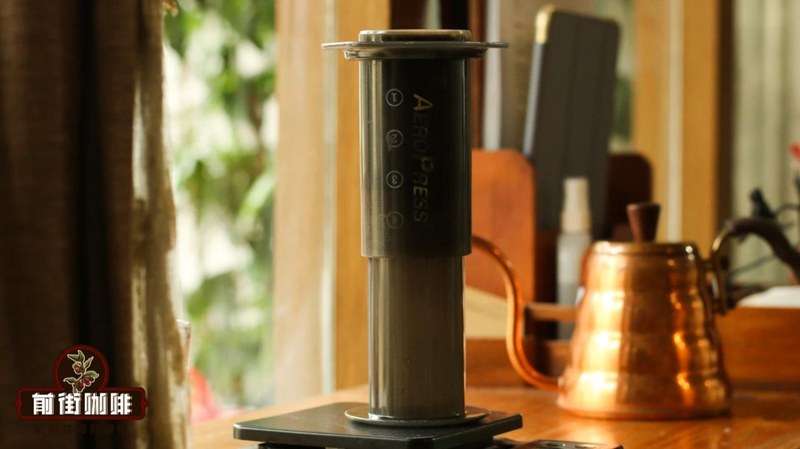
After the device is determined, fine-tune the grind and water temperature. For pour-over, you can start with 15 g of coffee grounds paired with 225 g of water, a medium-coarse grind, and a water temperature between 87 and 92°C. If a light-roast bean seems thin and sour, you can grind slightly finer or raise the water temperature; if it is obviously bitter, grind coarser and shorten the later pours. When using this starting point for coffee beans suitable for pour-over, you should also observe the actual taste according to device suitability, and there is no need to mechanically pursue a certain time number.
When coffee beans suitable for pour-over show thin sourness, bitterness or a dull aroma, do not change all the parameters at once. From the perspective of device suitability, check the grind and extraction time, then see whether the water temperature suits the roast level, and adjust in small steps each time, which usually makes it easier to find the cause.

Fresh grinding allows coffee beans suitable for pour-over to retain more aroma. When using the selection method based on device suitability, store whole beans sealed and adjust the grind according to the device just before brewing; coffee that has already been ground has a larger surface area exposed to air, so it is even more necessary to control the purchase amount and the drinking period after opening.
When building taste experience from coffee beans suitable for pour-over, stability is more important than complexity. When the bean and the device direction are consistent, daily brewing will save a lot of back-and-forth testing. First use Qianjie Ethiopia Huakui or Qianjie Kenya Cherry Tomato to become familiar with one style, keep the water quality and device unchanged, then gradually change the grind and temperature, and your daily cup of coffee will become more and more to your taste.
Related Reading






Comments (0)
Loading comments...
You May Be Interested



Trending Reviews
Popular Videos

With you, wherever you are! We provide useful features to help you find new things you'll love






