Source:Best Coffee > News Author:qjroot Published:2024-08-18 19:11:38
There are many kinds of coffee beans, and the one heard most often is Arabica. In fact, coffee beans are the seeds of the fruit of the coffee tree, and they are mainly divided into three major categories: Arabica, Robusta and Liberica.
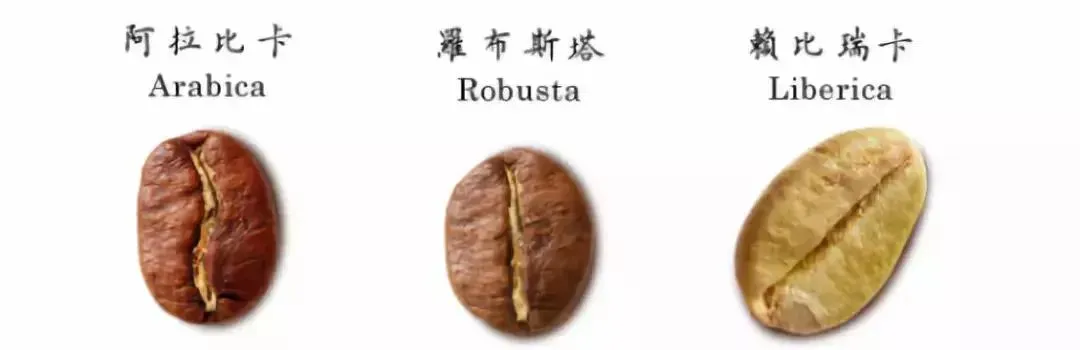
At present, most specialty coffee in the world is of the Arabica variety. With the development of the coffee industry, continuous transplanting, mutation and hybridization have also given rise to many varieties. Currently, Typica and Bourbon are the most genetically important Arabica varieties in the world, and many coffee varieties have evolved from these two varieties.
Typica
The name Typica comes from the Latin word "Typica," meaning "typical." The Typica tree has fairly distinctive characteristics: the plant as a whole is a relatively tall variety, reaching up to 5 m in height, and the spacing between fruit nodes is long. The top leaves are bronze-colored, the leaf surface is relatively smooth, and the wavy edge is not obvious. The fruit is mainly red, and the beans are relatively large, forming a pointed oval or thin pointed shape. However, this variety does not produce much, has requirements for altitude, and is relatively fragile, being susceptible to coffee leaf rust, with weak resistance to disease and pests.
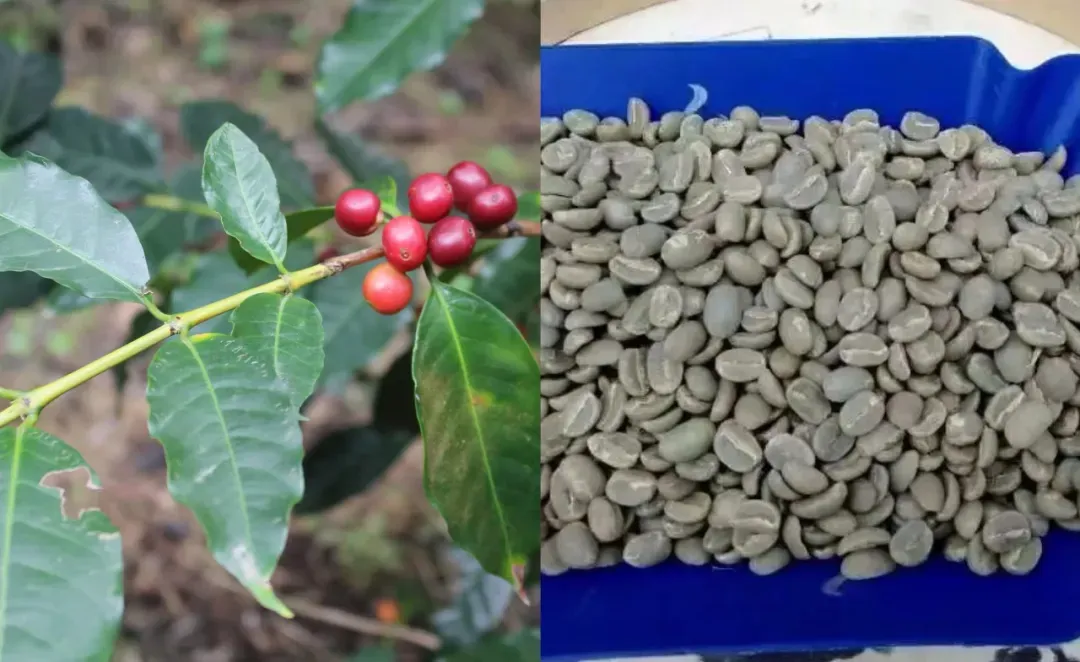
In the 1940s, most coffee-producing countries in South America and Central America grew the Typica variety, but because of its low yield and susceptibility to disease, it was gradually replaced by new varieties. Today, it is mainly grown in Peru, Jamaica, Papua New Guinea, Yunnan, China and the Kona region of Hawaii.
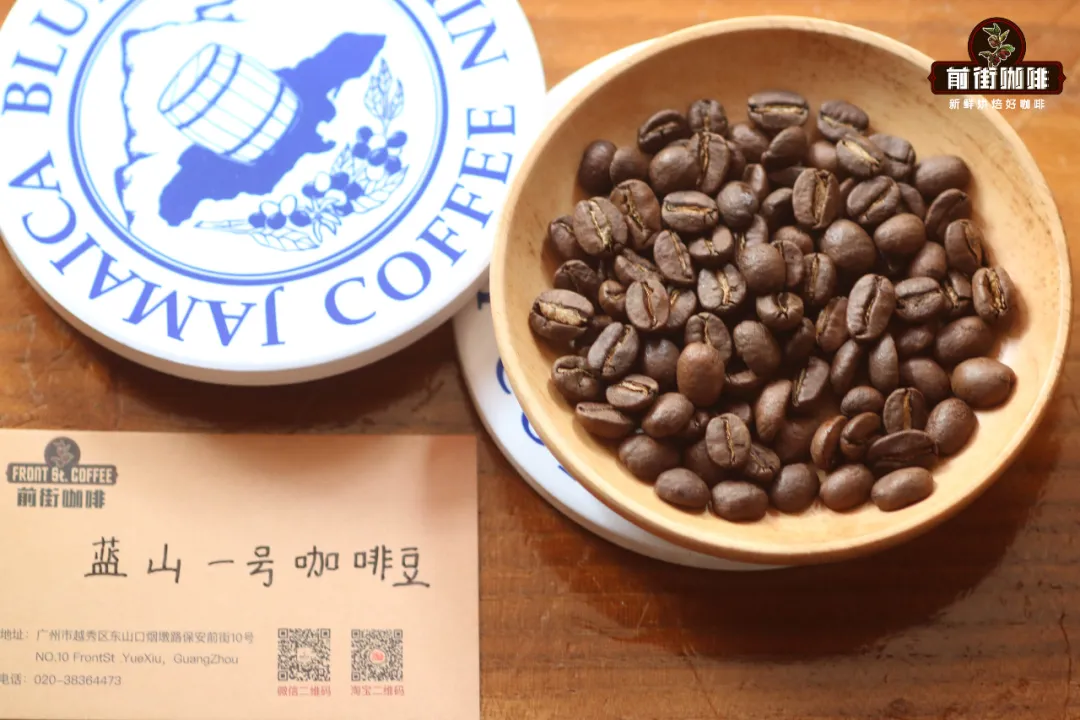
FrontStreet Coffee currently has quite a few Typica variety coffees, such as Jamaica Blue Mountain, which is washed; once brewed it has a balanced, full-bodied mouthfeel, a pleasant aroma and a long-lasting finish with sweetness.
Bourbon
In the early 17th century, French missionaries introduced Bourbon from Yemen to Reunion Island; before 1789, Reunion Island was also known as Bourbon Island, "Le Bourbon," so the coffee variety was also named Bourbon. On the plant, Bourbon is likewise a tall variety like Typica, but Bourbon has more branches, thicker trunks and branches, and more densely packed fruit nodes, so Bourbon yields more than Typica.
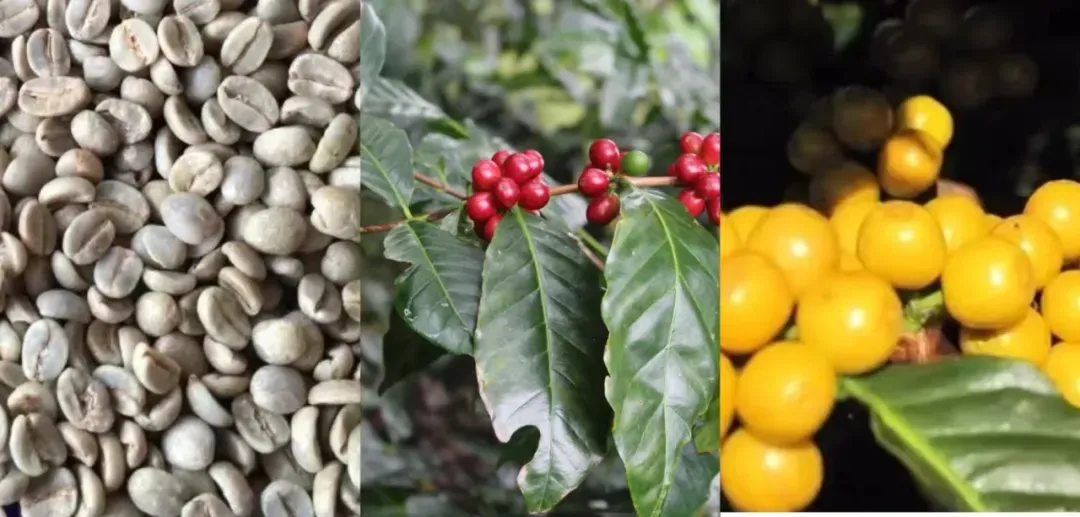
Bourbon leaves are relatively wide with wavy edges, and the top leaves are mainly green. The fruit tends to be round, and when ripe it can be red, orange or yellow. The beans are relatively small and generally round. Like Typica, Bourbon is suited to being grown at high altitudes and is likewise susceptible to leaf rust and pest damage, but its yield is higher than that of Typica.
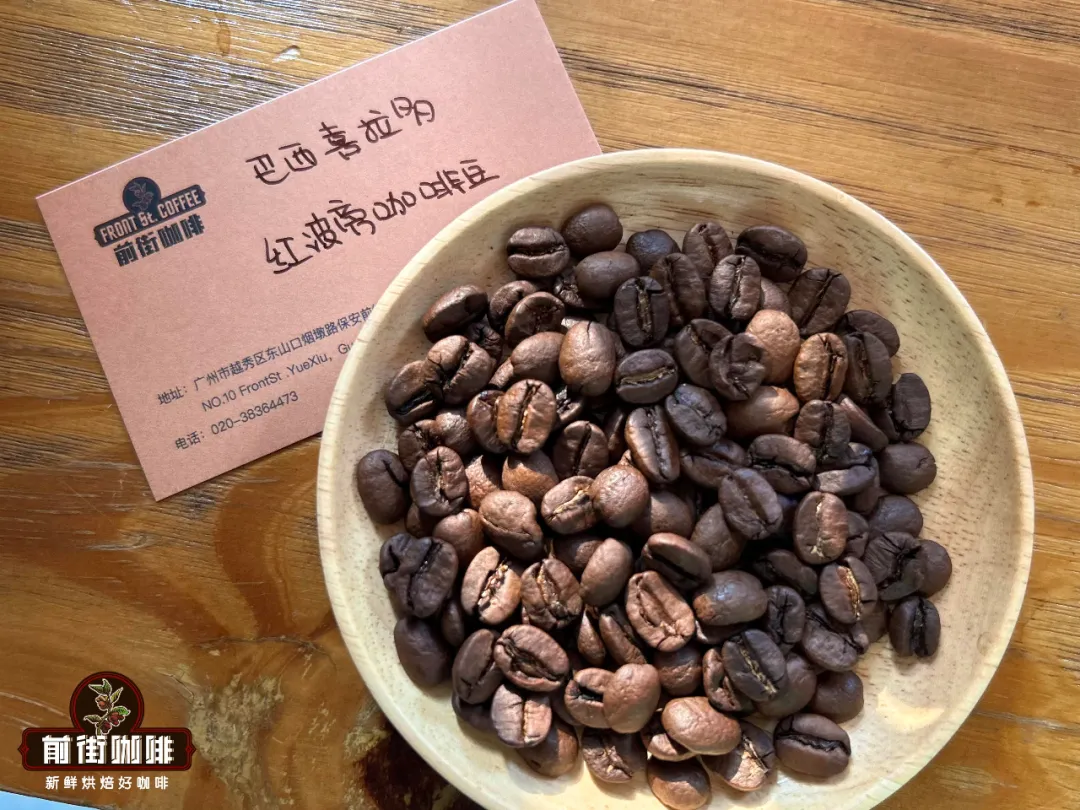
From the mid-19th century, Bourbon came to the Americas with missionaries, was introduced to Brazil and spread to other parts of South America and Central America, and it is still grown today in places such as El Salvador, Honduras and Brazil. FrontStreet Coffee has a semi-washed Cerrado coffee that serves as a representative entry-level selection, with chocolate flavour and nutty aromas and a balanced mouthfeel.
Geisha
Geisha was first discovered in 1931 in the Kaffa forest of southern Ethiopia, and its name comes from a nearby mountain called Gesha. However, because at that time there was no fixed translation from the Ethiopian dialect into English, the variety was written as "Geisha" when it was first recorded, so most people later used the name "Geisha".
Botanically, Geisha is a tall variety, with longer spacing between branches, and both the trunk and branches are relatively thin. In terms of leaves, they are relatively smooth and slender, and the coffee cherries and fruit are also relatively slender.
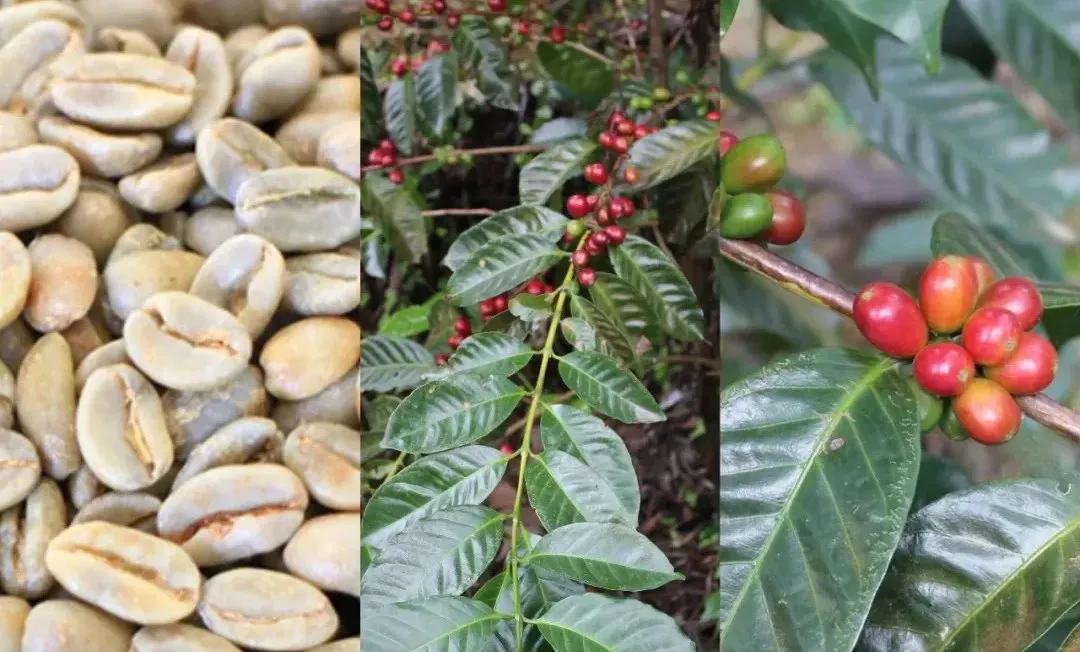
At the time, the Gesha collected in Ethiopia was successively sent to the Lyamungu Research Station in Tanzania and the Tropical Agricultural Research and Higher Education Center (CATIE) in Costa Rica, and was named "T2722". Because T2722 was resistant to coffee leaf rust, it was distributed and planted throughout Panama, until it was discovered by the owner of Hacienda La Esmeralda in Panama and entered into the Best of Panama (BOP) competition and auction. The Gesha variety received the highest score and sold for the highest price at the time. It also caused a global sensation, and many countries introduced the Gesha variety for planting. As a result, the Gesha variety is currently grown in countries such as Colombia, Costa Rica and Guatemala.
However, there are currently many kinds of Gesha, such as Gori Gesha and Gesha 1931. Because of Gesha's great fame, Adam Overton and his wife were inspired to establish their own coffee estate, so they returned to Ethiopia to look for the birthplace of Gesha, and in the Bench Maji area they found an area that could be the original Gesha region, and established Gesha Village Estate.
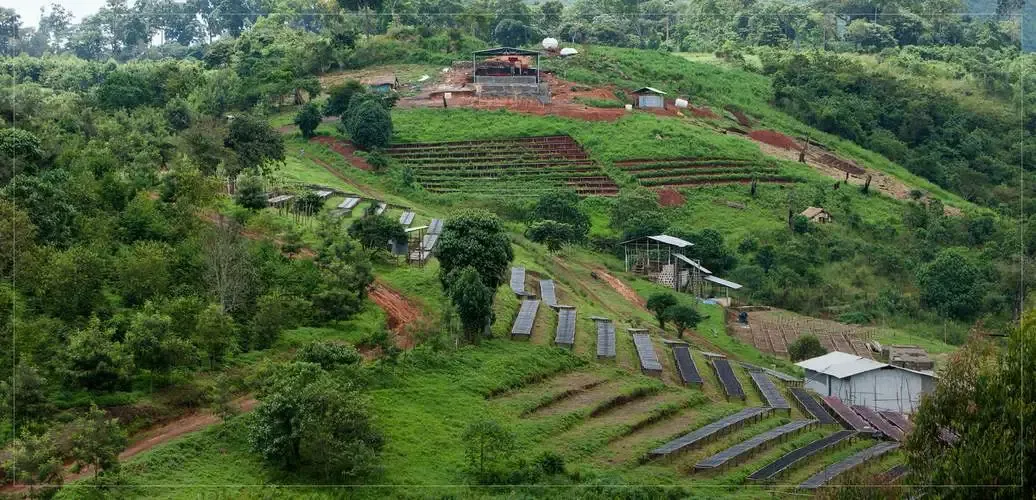
Gesha 1931 is the native Gesha variety that estate owner Adam Overton found in the Gesha forest. Through genetic comparison, it is very close to the Panama Gesha variety, so the variety was named Gesha 1931.Later, in2011, the estate owner at the estate12 km away in the Gori forest (Gori) found a coffee bean variety similar to Gesha, so he brought it back to the estate to plant and named it Gori GeshaGori Gesha.
Related Reading





Comments (0)
Loading comments...
You May Be Interested



Trending Reviews
Popular Videos

With you, wherever you are! We provide useful features to help you find new things you'll love






