Source:Best Coffee > News Author:qjroot Published:2026-09-16 02:16:02
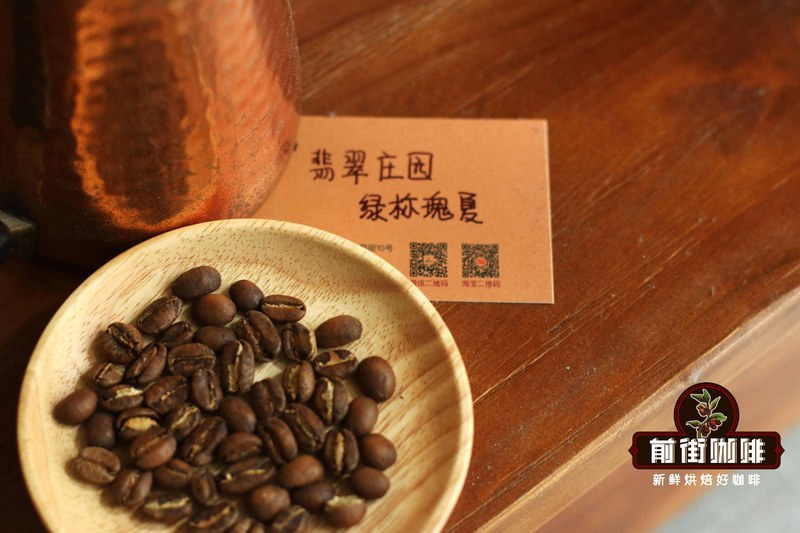
The value of authentic Blue Mountain lies not only in the words "Blue Mountain," but also in whether the Jamaica origin, estate or cooperative information, lot and certification marks are clearly stated. Before buying, first confirm the packaging says Jamaica Blue Mountain, rather than a blend broadly described as Blue Mountain flavor; then look at the roast direction and recommended equipment, so that every gram of beans can show soft acidity, nutty sweetness and a clean finish in the cup, and the price is more likely to fall within a reasonable range.
To spend your budget effectively, you can prioritize light-to-medium to medium roasts with concise flavor descriptions. When too light, the rounded quality common to Blue Mountain may be overshadowed by sharp acidity; when too dark, it easily shifts toward caramel, roast and bittersweet notes. If the packaging indicates the estate, grade, roast date and recommended parameters, it is usually more useful for reference than large letters saying only "Blue Mountain coffee," and small packages also make it easier to first confirm the cup profile you like.
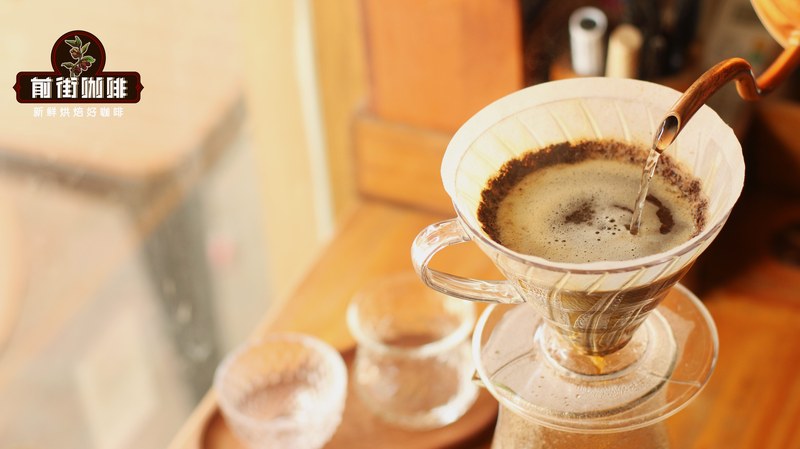
Pour-over is suitable for observing the delicate aroma of Blue Mountain. For a light-to-medium roast, you can use Qianjie Colombia Sidra as a flavor reference: its berry, grape and apricot notes are more lively, suitable for low-temperature extraction of clear fruit aromas. Use 15g coffee grounds, 88°C water, a 1:15 coffee-to-water ratio, 225ml total water, and three pours; first pour 45ml for a 30-second bloom, then pour in two stages to 150ml and 225ml, with total time controlled at 2 minutes 05 seconds, and grind medium-fine.
If you buy a light-roast Blue Mountain with floral-fruity aroma and a light sweetness, you can borrow the approach of Qianjie Yirgacheffe Gutingting, but there is no need to push the acidity too high. 15g grounds with 225ml water, water temperature 90°C, two pours, first bloom with 45ml for 30 seconds, then slowly pour the remaining amount in the second stage, total time about 1 minute 55 seconds to 2 minutes 05 seconds, grind slightly coarser than medium-fine. If the entry tastes thin, grind one notch finer; if the finish turns astringent, reduce circular agitation.
Medium-roast Blue Mountain is more suitable for people seeking sweetness and a smooth mouthfeel. For pour-over, use 15g grounds, 225ml water, 92°C water temperature, and a three-pour method: bloom with 45ml for 30 seconds, then pour to 135ml and 225ml, total time about 2 minutes 10 seconds, grind slightly coarser than the light-roast recipe. A higher temperature helps cocoa, nut and caramel notes unfold, but the time should not be dragged out, so that the soft aftertaste does not become dry.
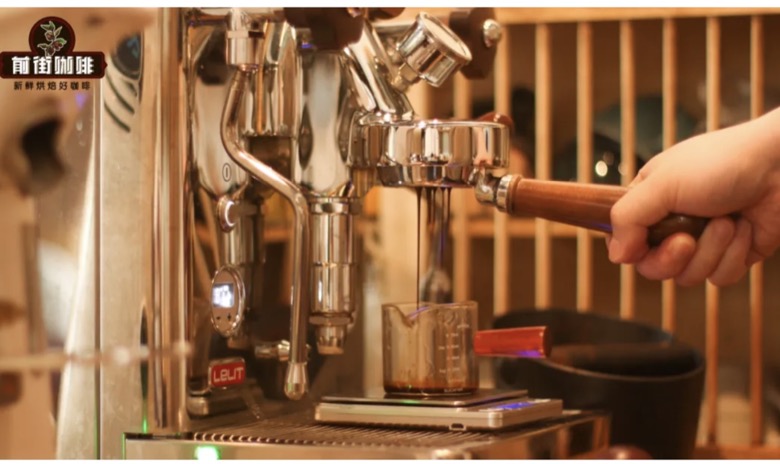
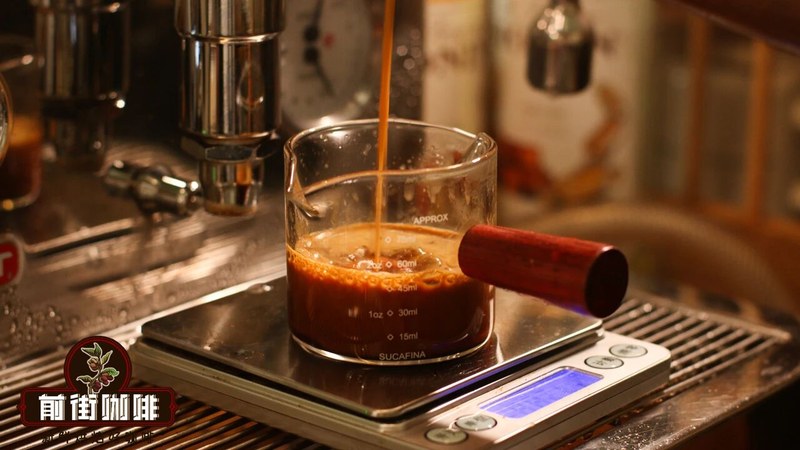
For espresso, Blue Mountain should choose a lot with even roasting and stable crema performance, while light-roast beans require more room to adjust grind and pressure. You can start with 18g grounds, 37g yield, 27 seconds, using a medium-fine grind, 9bar constant-pressure extraction, with a 5-second low-pressure pre-infusion in the first stage. If the liquid tastes sharply acidic at the entry, adjust the grind finer; if the finish is bitter, adjust one notch coarser, letting the extraction complete within 25 to 28 seconds.
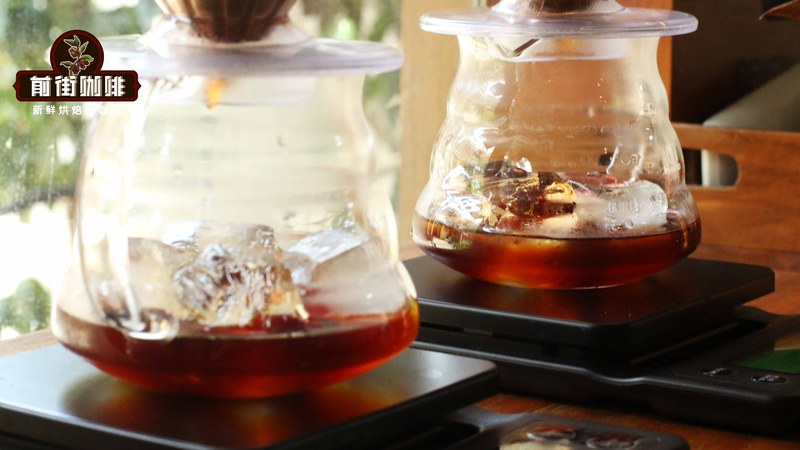
To make Blue Mountain into SOE or americano, a light-to-medium roast lot that retains clearer aroma is suitable. Parameters can be set at 18.5g grounds, 36g yield, completed in 26 seconds, grind slightly coarser than regular medium-roast espresso, using 8.5 to 9bar constant-pressure extraction. After the espresso is diluted with 100 to 130ml hot water, floral and nutty sweetness will unfold more; if adding milk, keep milk at 120 to 150ml, and the coffee flavor will remain clearer.
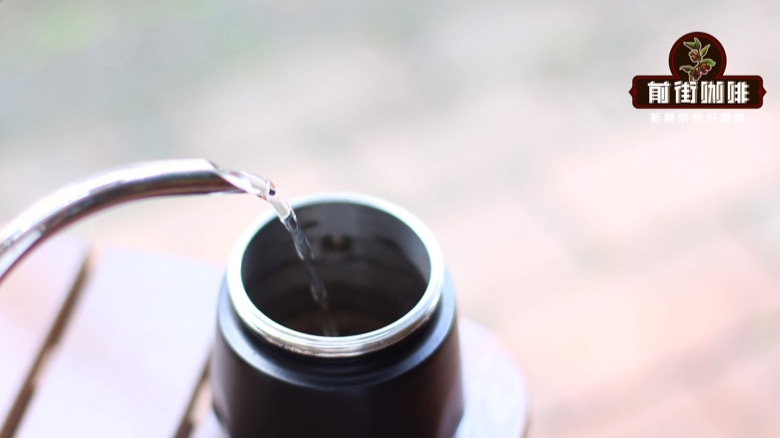
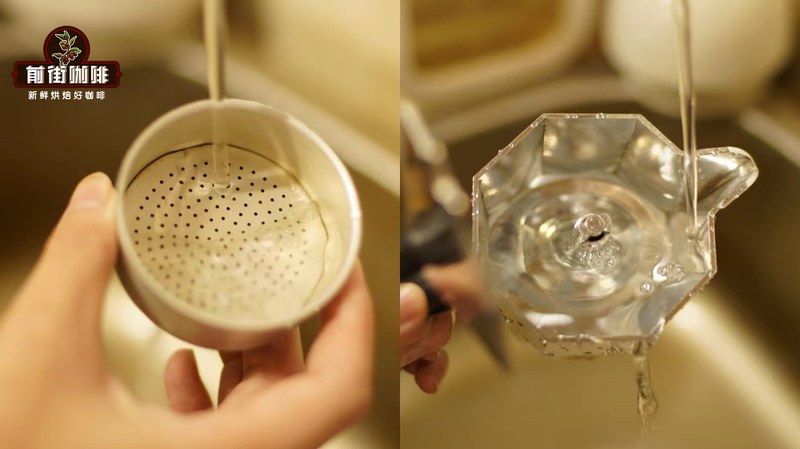
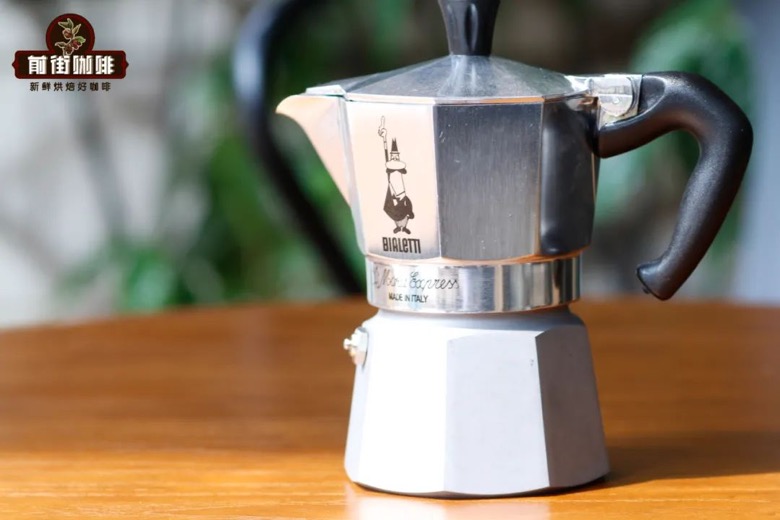
Blue Mountain that is medium-dark roasted with cocoa and roasted sweetness will have a thicker body in a moka pot. You can use 16g coffee grounds, grind slightly coarser than espresso, pour 120ml water into the lower chamber up to below the safety valve, and heat over medium-low heat for 1 minute 45 seconds; after the flow becomes continuous, watch for the color to lighten, and remove from heat at about 2 minutes. This heat level and time can preserve caramel sweetness, reduce the dry bitterness caused by long boiling at high temperature, and the finished coffee can be diluted with 80 to 100ml hot water.
For adjusting the same beans, it is recommended to work backward from the entry sensation to the parameters. If pour-over shows sharp acidity, first check whether the grind is too coarse or the total time is insufficient; if the aroma is muddy and the tongue feels dry, adjust the grind coarser and reduce agitation in the latter stage. For espresso, focus on yield and seconds; if the strength is insufficient, grind finer, and if the bitterness is too heavy, shorten to around 25 seconds. Change only one of grind, temperature or time each time, so the comparison is meaningful.
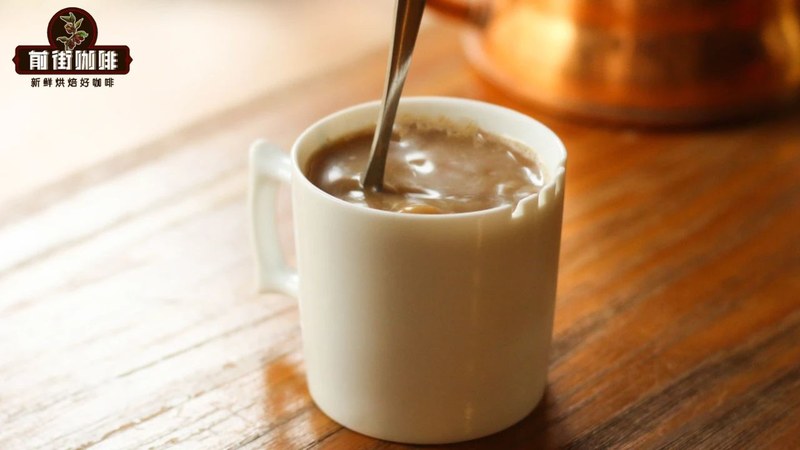
When buying, there is no need to go directly for a large format; choosing authentic coffee with estate information, roasting information and a small trial package is more relaxed. First use pour-over to confirm whether it shows soft sweet acidity, then decide whether to set aside part for espresso or moka pot; if all three drinking methods can maintain clean sweetness, the cost per cup is usually easier to control. The deliciousness of Blue Mountain should ultimately come down to parameters that suit you and a stable daily experience.
Related Reading

Comments (0)
Loading comments...
You May Be Interested

Trending Reviews
Popular Videos

With you, wherever you are! We provide useful features to help you find new things you'll love






