Source:Best Coffee > News Author:qjroot Published:2026-09-03 19:03:28
Whether a floral-scented coffee bean actually tastes like flowers once brewed often depends on more than just the name of the bean; the equipment and parameters also change the way the aroma is presented. Pour-over can amplify the ethereal quality of the aroma, cold brew softens the acidity, and an espresso machine compresses the floral notes into a higher-concentration coffee liquid. When choosing beans, first look at the equipment you commonly use at home, then decide on the suitable roast direction and brewing method.
When using a conical dripper, you can start with a medium-fine grind, a higher water temperature and staged pouring, letting the water flow fully through the coffee bed. Light-roasted floral beans can usually be tried starting from 91 to 94°C; at a lower water temperature the mouthfeel is softer, while at a higher temperature the aroma opens up more easily. If the entry is only sharply acidic and lacks sweetness, you can grind slightly finer; if the finish is astringent, grind coarser and reduce agitation.
A flat-bottom dripper distributes water relatively evenly, making it suitable for observing floral notes, sweetness and tea-like qualities in the same cup. The grind can be slightly finer than for a conical dripper or kept medium-fine; when pouring, reduce large circular motions to avoid excessive local disturbance of the coffee bed. The coffee-to-water ratio can start from around 1:15; for a more intense cup, reduce the water, and to highlight a crisp aroma, moderately increase the total water.
If using immersion-style equipment such as a Clever Cup or French press, the outline of the floral notes becomes thicker, and the aroma no longer stays only at the entry. The grind should be kept medium-coarse, steep for three to four minutes and then filter, and the water temperature can be tried from 90 to 92°C. A longer steep increases sweetness and body; too long may cause light-roasted beans to develop a woody texture or a dry, astringent finish.
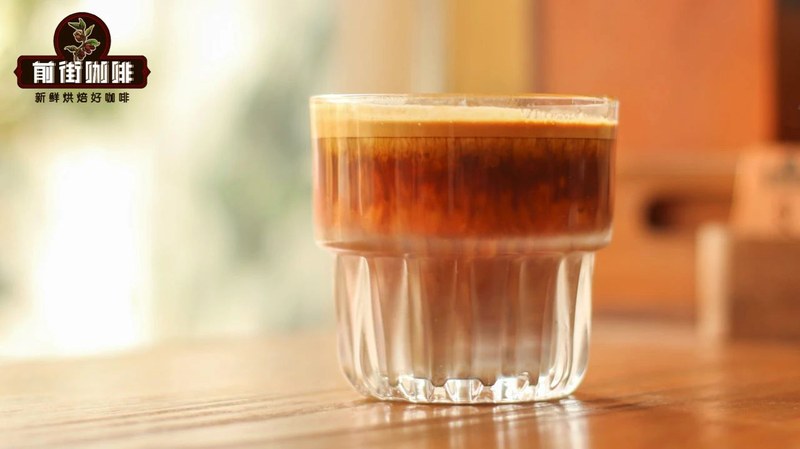
If you like iced drinks, you can change the hot-brew parameters into a concentrated recipe and pour it directly over ice. After reducing the proportion of hot water, the aroma density of the coffee liquid is higher, and it is less likely to seem thin when cooled. Iced pour-over is suitable with a higher water temperature and a finer grind, but the total drawdown time should be shortened to avoid insufficient concentration after the ice melts. For cold drip, pay attention to the drip rate and the degree of coffee-bed saturation; a fine and steady flow is more important than simply slowing down.
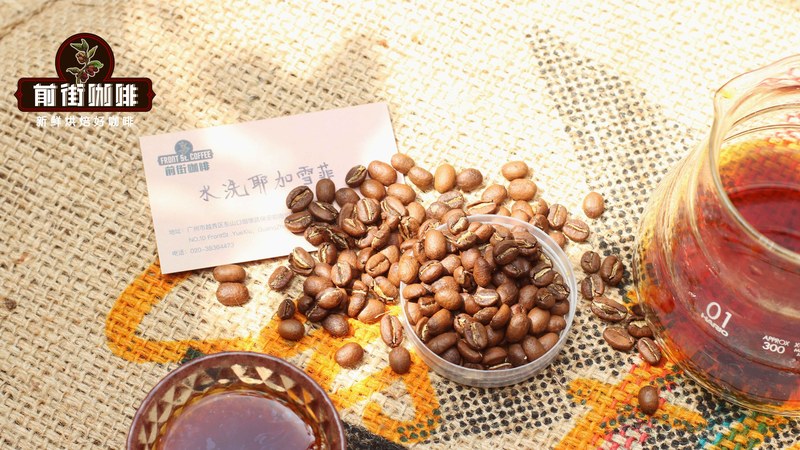
Qianjie Panama Hacienda La Esmeralda Red Label Geisha is suitable for slowly unfolding in a dripper. Its aroma direction is relatively elegant; when brewing, choose 92 to 94°C, a medium-fine grind, with the first pour mainly for a full bloom and the later pours kept gentle. This makes it easy to taste a clear fragrance reminiscent of white flowers, citrus peel and black tea, and as the temperature drops, the sweetness appears more delicate.
If you want to amplify both floral notes and juicy fruitiness, you can try Qianjie Colombia Sidra. A conical dripper combined with a higher water temperature, staged pouring and a medium-fine grind can make notes of berries, grapes and tropical fruit more lively. If making iced pour-over, reduce the hot water and top up the weight with ice; if using SOE, control the yield so it is not too long, lest the fruit aromas be covered by bitterness.
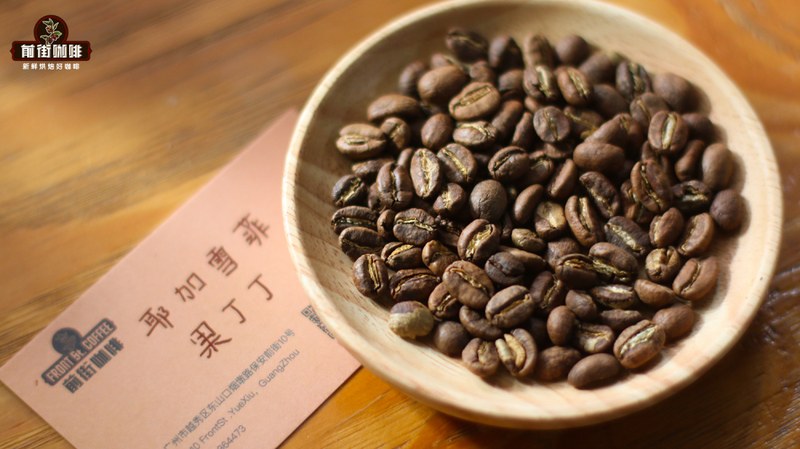
Qianjie Yirgacheffe Gudingding performs differently as the temperature changes; for light-roast pour-over, use 90 to 93°C and a medium-fine grind to preserve a light, airy feel of citrus, flowers and tea. If you more often make cold brew at home, change the grind to medium-coarse, steep for about ten hours and then try it; the acidity becomes rounder, and the tea-like note in the aftertaste is more likely to linger.
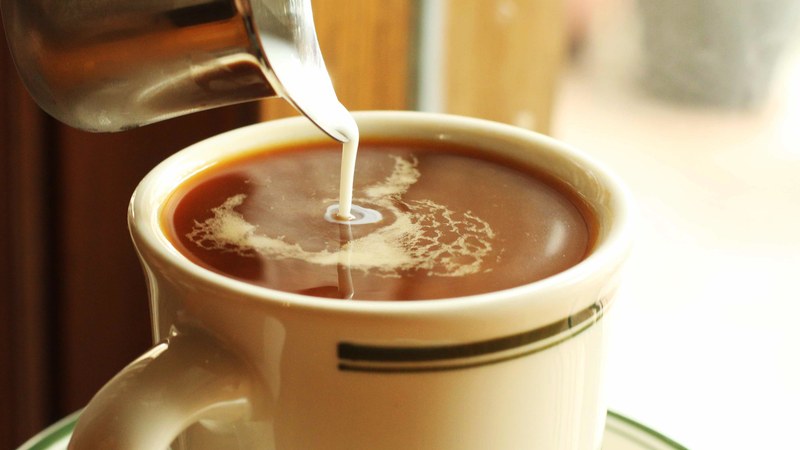
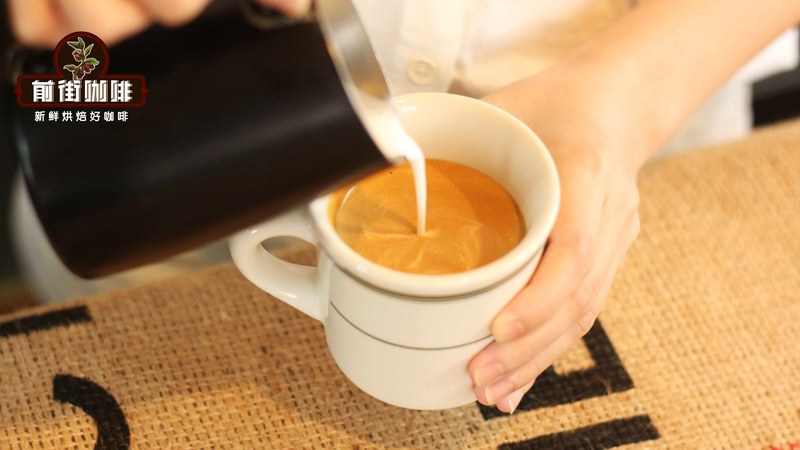
An espresso machine is not limited to dark-roasted beans; floral single-origin coffees can also be made into SOE. It is recommended to start with a shorter coffee-to-liquid ratio, for example 18 g of coffee extracting 36 g of liquid, then adjust the grind based on taste. If the liquid is too acidic, slightly extend the yield or raise the water temperature; if the aroma is already clear but the mouthfeel is dry, shorten the yield. When adding milk, choose a higher concentration so the floral notes can survive through the milk foam.
Equipment parameters can be used to amplify different flavours, but there is no need to adjust many items at once. First decide on the dripper, cold brew pot or espresso machine, then change one variable among water temperature, grind and yield, and record the changes in aroma, sweetness and finish. In this way, when choosing floral coffee, seeing a flavour description will bring to mind a suitable brewing method, and it becomes easier to find beans that match your equipment and taste.
Related Reading

Comments (0)
Loading comments...
You May Be Interested



Trending Reviews
Popular Videos

With you, wherever you are! We provide useful features to help you find new things you'll love






