Source:Best Coffee > News Author:qjroot Published:2026-09-07 11:34:04
SOE concentrates the personality of a single origin or single batch into one cup. It suits pour-over, espresso, americano, and iced coffee, and it can also go into a flat white with a smaller amount of milk. What decides the direction of the drink is not "single-origin beans can only be drunk as black coffee," but whether the floral and fruity notes, the intensity of acidity and sweetness, and the body can withstand dilution. Bright, clean beans can be considered for filter and iced drinks, while beans with solid sweetness and concentrated aromatics have more room for espresso play.
When you get a bag of SOE, you can predict how difficult it will be to dissolve from the bean surface color, roast information, and the strength of the dry aroma. Beans that are light in color and high in density usually need hotter water, a finer grind, or longer contact; beans with full natural-process aroma need controlled agitation so the fermented notes are not amplified. When the color is darker, lowering the temperature and speeding up the flow makes it easier to keep a sweet, mellow feel and prevents roast notes from filling the whole cup.
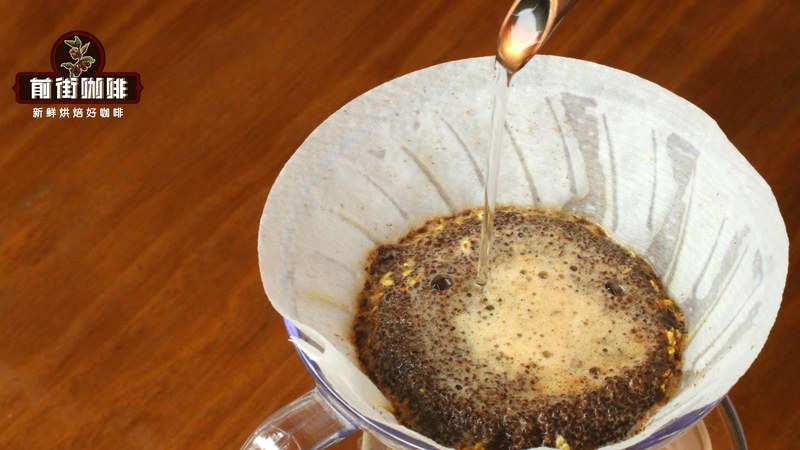
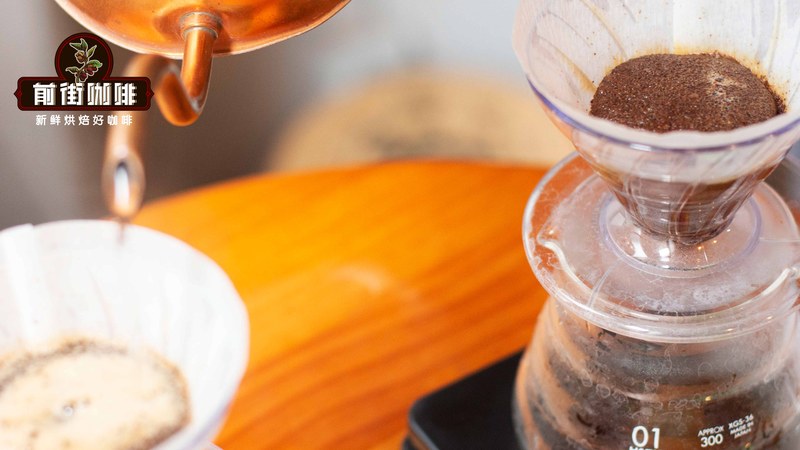
To see citrus, stone fruit, and tea notes clearly, you can use Qianjie Kaffa Forest for a light pour-over set. Use 15 g of coffee with 240 g of water, start at 91 to 92°C, use a medium-fine grind, bloom with 35 g for about 30 seconds, then pour steadily in two stages, with the total time falling between 2 minutes 15 seconds and 2 minutes 40 seconds. When hot, the orange aroma is brighter; as it cools slightly, apricot sweetness and an oolong-like finish gradually come in.
If this recipe tastes only brightly acidic and the middle feels hollow, tighten the grind by one small step, or raise the water temperature by 1°C, so sugars and aromatic compounds are released more fully. If the sides of your tongue keep tightening after it cools, loosen the grind by half a step and remove the dripper a few seconds before the target water amount to reduce the off-flavors contributed by fines at the end, then adjust the strength with a small amount of hot water.
Qianjie Grana Estate Geisha is suited to a low-agitation method that preserves the layers of a natural-process bean. You can use 15 g of coffee, 250 g of water, and 92°C, with a slightly coarser grind than Kaffa Forest. After blooming, use three gentle pours and keep the finish time between 2 minutes 20 seconds and 2 minutes 50 seconds. Less circling lets the orange blossom note come through more delicately, and as the temperature drops, guava, ripe apricot, and strawberry-jam-like sweetness emerge one after another.
For iced pour-over, Qianjie Colombia Sidra has a very recognizable juicy quality. Put 90 g of ice in the cup first, use 15 g of coffee grounds, pour 150 g of 93°C hot water, use a slightly finer grind than for a hot brew of the same bean, and finish in about 2 minutes. The hot water captures passion fruit, dark berries, and grape-like aromas, while the ice quickly locks in a bright mouthfeel; wait until the ice has melted about 70 to 80 percent before drinking, and the strength will be more balanced.
Switching to the espresso machine, the pressure does not have to be rigidly held at 9 bar. For light-roast SOE, you can try a 3 to 6 second low-pressure pre-infusion, then complete the main extraction at 7 to 8 bar. The water flow is gentler, and the acidity and sweetness often become more consistent. Using 18 g of coffee as an example, you can first extract 40 to 45 g of coffee liquid, with a target time of about 26 to 32 seconds; set the brew head at 92 to 94°C, then move up or down according to the roast color.
Judging espresso grind should combine liquid weight and flow rate. If the stream turns pale early and the first sip tastes like lemon water but lacks a sucrose-like sweetness, it means water is passing through the puck too quickly, so tighten the grind slightly. If after starting you see only scattered drips for a long time and it tastes clearly astringent, then coarsen the setting and reduce the yield. Simply raising pressure does not necessarily increase sweetness, and excessive resistance may also cause localized channeling in the puck.
When Sidra is used for SOE espresso, you can start with 18 g of coffee, 42 g of yield, 93°C, and 7 to 8 bar. A slightly longer coffee-to-liquid relationship can pull tropical fruit acidity into a juicy, rounded feel. Drunk straight, you can see blueberry and apricot overlapping; add 100 to 130 g of cold water and plenty of ice, and it becomes a clearly aromatic iced americano. If making sparkling coffee, let the espresso cool slightly before pouring it along the side of the glass, and the foam will be more composed.
Parameters are not an answer to copy exactly, but a flavor map you can look back on. Record the dose, liquid weight, water temperature, time, and how it tastes on the palate, and you will know which way to move for the next cup. If you want transparent floral notes and a sweet finish, keep the pour-over at gentle agitation and a smooth flow rate; if you want concentrated fruit sweetness, shape it with espresso pre-infusion, grind, and yield. When the bean's character is released accurately, SOE can naturally fit into many kinds of drinks.
Related Reading


Comments (0)
Loading comments...
You May Be Interested

Trending Reviews
Popular Videos

With you, wherever you are! We provide useful features to help you find new things you'll love






