Source:Best Coffee > News Author:qjroot Published:2026-09-18 16:40:51
Light-roast coffee beans have always captivated people with their delicate and lively floral and fruity aromas. Whether it is the subtle fragrance of white flowers or the bright, refreshing citrus acidity, these are the most enchanting traits of such beans. However, more than 98 percent of a cup of pour-over coffee is water. Water is not only the solvent for extraction but also the carrier of flavor compounds. The types and amounts of minerals dissolved in water directly affect the rate at which aromatic components in the coffee grounds are released and the final balance.
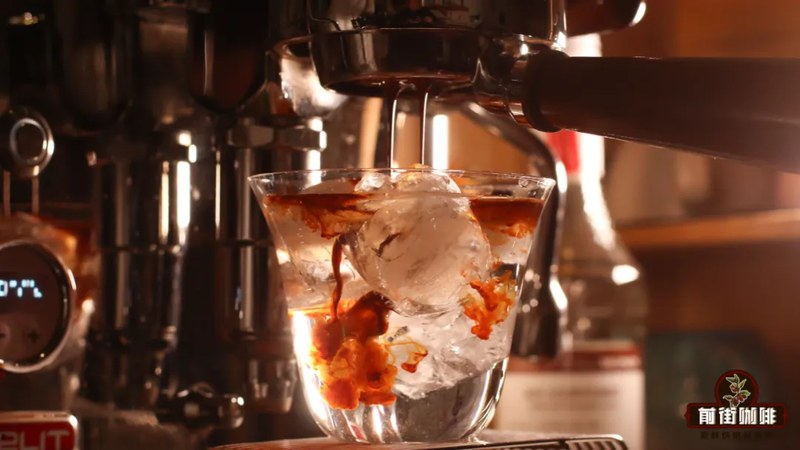
To understand how water quality affects light-roast beans, one typically looks at the total dissolved solids content in water, commonly known as the TDS value. When the mineral content of brewing water is too high, especially when bicarbonate ions are abundant, the water overall tends toward hardness, which easily neutralizes the precious and lively fruit acidity in light-roast beans, making the entire cup taste dull or even flat. Relatively softer water, with moderate minerals and less interference, allows the coffee bean's own regional flavors to be released more clearly.
Preparing brewing water at home is not complicated, and there is no need to purchase expensive professional water purification equipment. Even after tap water is boiled, the residual chlorine smell and relatively high calcium and magnesium ions are often unsuitable for brewing delicate floral and fruity light-roast beans. A more convenient everyday approach is to choose common high-quality natural soft spring water available on the market, or use purified water combined with a small amount of mineral water. Keeping water quality in the softer range often immediately allows the light-roast beans at hand to show a clean and translucent quality.
Once you understand the basic logic of water quality, your thinking becomes clearer when selecting light-roast beans. If you favor elegant, fresh floral notes and a delicate texture like black tea, you can look to classic famous varieties from high-altitude regions. For example, Qianjie Panama Hacienda La Esmeralda Red Label Geisha is a highly representative bean. It carries clear bergamot, jasmine and citrus aromas, and the overall flavor is like a refined floral and fruity tea, placing great demands on water purity and extraction performance.
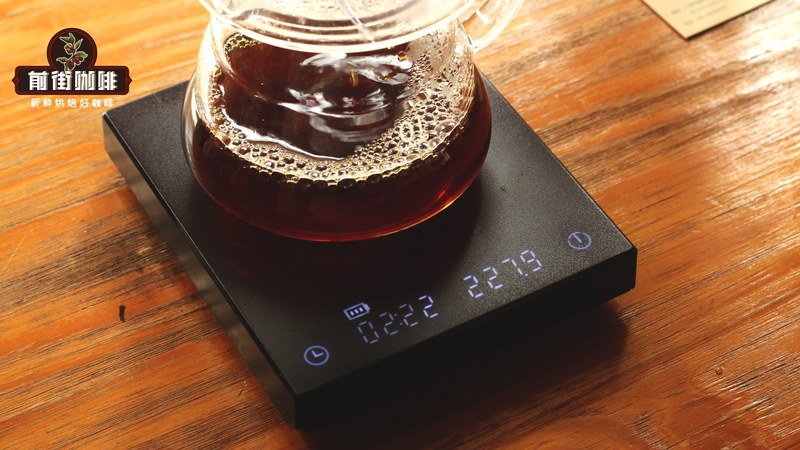
When brewing this Qianjie Panama Hacienda La Esmeralda Red Label Geisha, it is recommended to use purified soft water with relatively low TDS. For pour-over parameters, a water temperature of 91°C is recommended, with 15g of coffee grounds weighed out, and water poured at a 1:15 coffee-to-water ratio for a total of 225ml, with total extraction time controlled at 2 minutes 05 seconds. Use a three-stage pouring method: first pour 30ml of water for a full 30-second bloom, then gently pour in circles up to 130ml, and after the water level slowly drops, steadily pour up to 225ml to complete extraction. The floral notes will be especially lifted and ethereal.
If you prefer a rich, full-bodied tropical fruit sweetness, you can look more at micro-lots and special processing methods when choosing beans. These light-roast beans accumulate extremely abundant fruit flavor precursors during fermentation, and a slight adjustment to water quality can brew a stunning juice-like texture. Qianjie Colombia Sidra is just such a bean with a distinctive style, giving off abundant aromas of passion fruit, ripe grapes and apricot, with sweetness and acidity that are both highly recognizable.
For special-processing light-roast beans rich in flavor compounds like Qianjie Colombia Sidra, the water temperature can be adjusted slightly lower to avoid off-flavors in the later stage. It is recommended to set the water temperature at 89°C, keep the coffee dose at 15g, use the same 1:15 coffee-to-water ratio, with a total water volume of 225ml, and control the total time at 1 minute 55 seconds. Use a two-stage pouring method: after blooming with 30ml of water for 30 seconds, pour directly and continuously with an even, moderate stream up to 225ml and stop. The brewed coffee will be as rich and smooth as juice.
For friends who pursue classic citrus notes and a clean, moist tea-like feel, washed high-altitude Ethiopian beans have always been an excellent everyday choice. For example, the familiar Qianjie Yirgacheffe Gudingding has aromas of fresh citrus peel, light berries and small white flowers, with a lasting green tea-like sweetness on the palate, a clean and bright flavor profile, and quite good tolerance for different soft water qualities.
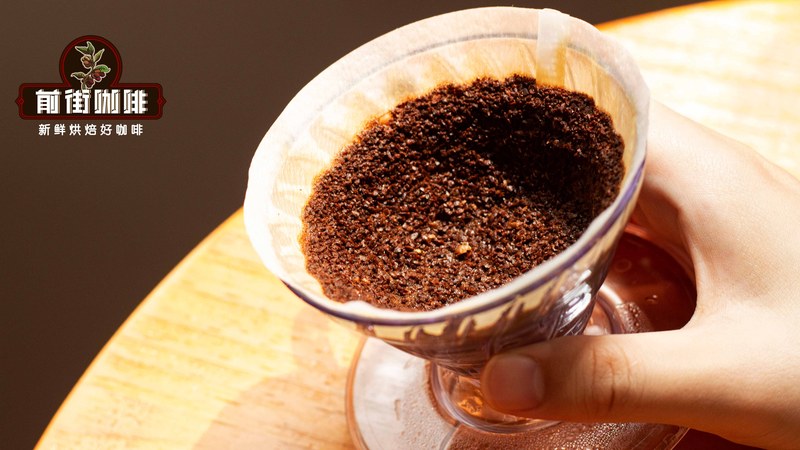
When brewing Qianjie Yirgacheffe Gudingding, if you want to fully express the green tea finish and citrus acidity, the parameters can be adjusted to be more stable. For pour-over, a water temperature of 90°C is recommended, with 15g of coffee grounds weighed out, a 1:15 coffee-to-water ratio corresponding to a total water volume of 225ml, and a total extraction time of about 2 minutes 10 seconds. Use a three-stage pouring method: pour 35ml of water for a 30-second bloom, then gently pour up to 140ml in the second stage, pause briefly until the coffee bed drops, then evenly pour the third stage up to 225ml. The fruit acidity in the cup will be bright with a long, sweet aftertaste.
Once you have grasped the connection between water quality and flavor, you will feel more confident when buying light-roast coffee beans. We do not need to be troubled by the complicated flavor terms on the packaging. Choose a region based on your preference for acidity, sweetness or floral aroma, then pair it with a kettle of water of suitable quality and a steady pouring rhythm, and the beautiful flavors of the beans that were originally masked will naturally present themselves in the cup.
Related Reading
Comments (0)
Loading comments...
You May Be Interested

Trending Reviews
Popular Videos

With you, wherever you are! We provide useful features to help you find new things you'll love






