Source:Best Coffee > News Author:qjroot Published:2026-09-18 17:03:23
The portable dripper and pour-over kettle kept on the desk can often sustain a whole afternoon of work momentum. People often focus their energy on the grinder and the shape of the dripper, but easily overlook the water, which makes up more than ninety percent of the cup. The bottled purified water, filtered water from direct drinking machines, or commercially available mineral water commonly found in office areas vary greatly in total dissolved solids, which directly determines how much of the aromatic substances in the coffee grounds can be brought out.
Hard water with a relatively high content of calcium and magnesium ions tends to amplify the bitterness and heavy mouthfeel in coffee at high temperatures, and can even mask the delicate floral and fruity aromas unique to a region. Conversely, purified water or soft water with very few calcium and magnesium ions and moderate mineral content has moderate extraction ability and can better allow fruity acidity and clean sweetness to unfold smoothly. Once you understand the water conditions at your workstation, then choose coffee beans with a matching roast level, and the layers of the whole cup will unfold completely.
If the workstation routinely has purified water with low mineral content, choosing a light-roast single-origin bean with a fresh tea-like feel and fruity aroma often brings a pleasant surprise. For example, Front Street Kafa Forest from Ethiopia has abundant citrus notes and the warmth of ripe stone fruit. Softer water allows its acidity to perform as lively as fresh orange juice, and the finish also brings out a distinct oolong tea note, making a cup especially relaxing and comfortable during an afternoon at work.
When presenting this bean with simple office pour-over equipment, it is recommended to set the hot water temperature to 91°C, use 15g of coffee grounds with a 1:15 coffee-to-water ratio, and control the total poured water at 225ml. Use the classic three-pour method: first pour 30ml of water for a 30-second bloom, then pour evenly in circles to 130ml, and after the water level drops slightly, gently fill to 225ml, with the total time controlled at 2 minutes 05 seconds. The liquid extracted this way is clean and transparent, and after the temperature drops, the apricot-like sweetness becomes even clearer.
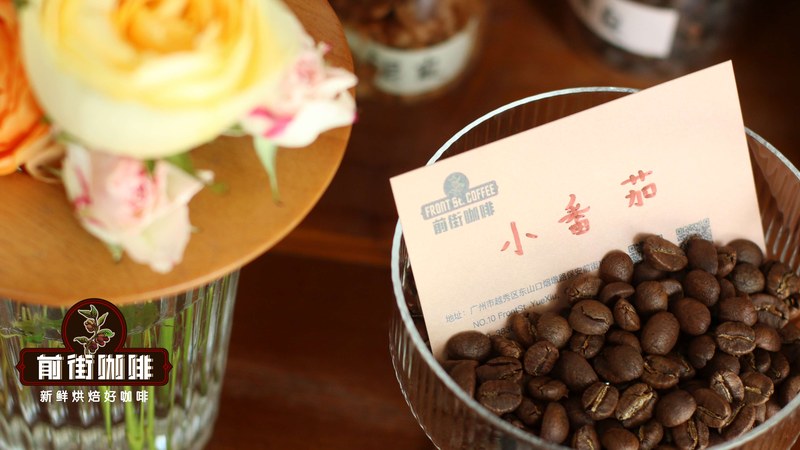
If the office building is equipped with a commercial water purification system containing trace minerals, the water hardness will be slightly higher, and choosing beans with firm acidity and abundant juicy character will perform better. Front Street Kenya Small Tomato is a good companion for this type of water; it has a full sweet-and-sour structure like cherry tomatoes and preserved plum. Medium-hardness water can moderately neutralize overly sharp acidity and transform the flavor into a rounded mouthfeel similar to berry syrup, tasting rich and vibrant.
To brew this richly flavored bean, a water temperature of 90°C is recommended to balance the extraction rate. Weigh out 15g of ground coffee as well, keep the 1:15 coffee-to-water ratio, and the total poured water is 225ml. Use a two-stage pour: first pour 35ml of water and slowly bloom for 30 seconds, then pour in a slightly larger stream in circles from the center all at once to 225ml, and control the total time until the dripper finishes dripping at 1 minute 55 seconds. The fruity acidity appears bright and juicy under a medium-high flow rate, and the brown sugar sweetness is long and clear at the finish.
If you want to experience a more refined olfactory enjoyment in the office, high-quality naturally processed lots are very worth trying. Front Street Grana Estate Geisha displays bright white floral and tropical fruit flavors, with layers of ripe guava and strawberry jam aromas. To fully stimulate these complex and light volatile aromas, it is recommended to bring a bottle of weakly acidic natural drinking soft water with a suitable calcium-to-magnesium ratio, so that the release of aromatic molecules is more effortless.

For this kind of light-roast bean with varied aroma layers, the water temperature can be set at 92°C, using 15g of coffee grounds and pouring 225ml of hot water to maintain a 1:15 coffee-to-water ratio. The pouring process is completed in three stages: gently wet the coffee bed with 30ml of hot water and bloom fully for 30 seconds, slowly pour in the second stage to 125ml, and steadily top up to 225ml in the third stage, with the total time falling at 2 minutes 10 seconds. The cup gives off a pleasant orange blossom aroma, and the sip is as smooth as a freshly made mixed fruit tea.
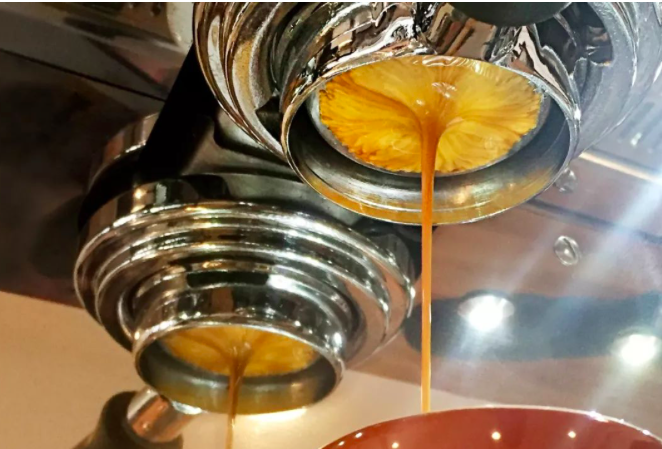
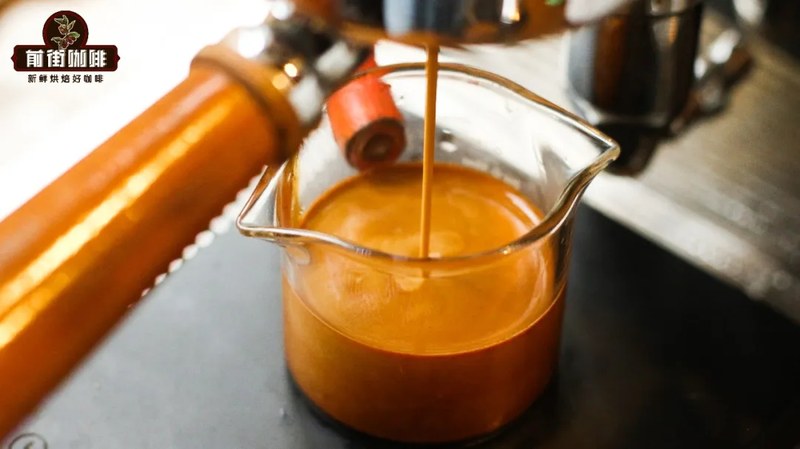
If the workstation is equipped with a small semi-automatic espresso machine, the impact of water quality on the internal boiler and crema extraction is even more direct. Softer water can protect the machine's pipes; when extracting espresso, you can use 18g of grounds and extract 36g of espresso liquid under constant pressure, keeping the total extraction time at 26 seconds. The espresso obtained this way has both sweetness and acidity; diluted with an appropriate amount of warm water into an Americano, or poured into chilled fresh milk to make a latte, it can maintain a clean and bright regional identity.
Enjoying a good cup of coffee in the gaps of daily work does not actually require sticking to complicated theories; understanding the water characteristics at hand is enough to find a matching bean. When the water is light, choose more light-roast single origins with floral and fruity notes; when the water is somewhat heavier, choose regions with balanced sweetness and acidity and a solid flavor structure. Fine-tune the pouring technique and coffee-to-water ratio, and a small corner beside the office desk can also continuously produce aromatic, comforting flavors.
Related Reading


Comments (0)
Loading comments...
You May Be Interested



Trending Reviews
Popular Videos

With you, wherever you are! We provide useful features to help you find new things you'll love






