Source:Best Coffee > News Author:qjroot Published:2026-09-30 18:19:33
To understand medium-light roast Yirgacheffe coffee beans, you need to turn flavor descriptions into sensations you can actually taste. The brewing device changes the coffee's strength and the way its aroma unfolds, and the same bean will not perform the same way in every brewing method. Floral, fruity acidity, nutty and cocoa notes are not a ranking of better or worse but different directions, and only the category that suits you has long-term reference value.
Choosing medium-light roast Yirgacheffe coffee beans can start by answering two questions: how pronounced an acidity you can accept, and what device you mainly use. Following the idea of matching the device, pour-over focuses on aroma and layering, espresso on strength and extraction stability, the moka pot on body, and cold brew on crispness. Once the answers are clear, comparing origin, processing method and price will no longer seem cluttered.
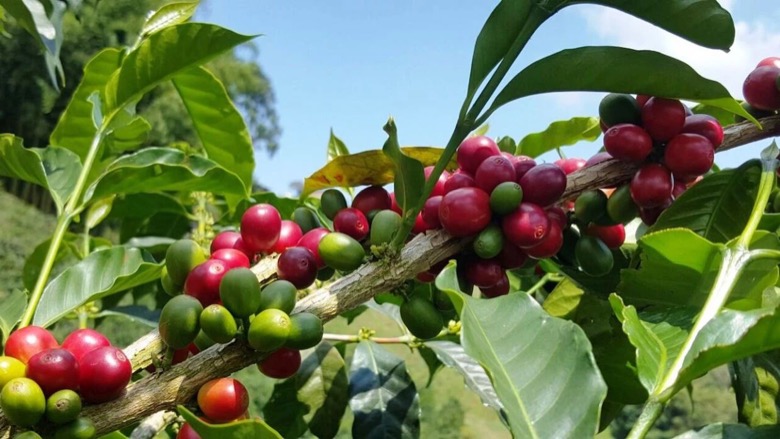
To understand medium-light roast Yirgacheffe coffee beans, you first need to know that Yirgacheffe is the name of a coffee region in Ethiopia, not the name of a single variety. This region commonly uses washed and natural processing; the washed direction tends to be clearer, while the natural direction tends to show ripe fruit aromas. When following the idea of matching the device, you need to look at processing method, roast date and the specific lot together, and not judge the taste by the region name alone.
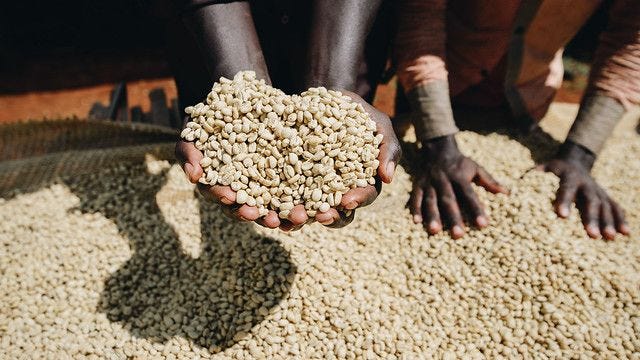
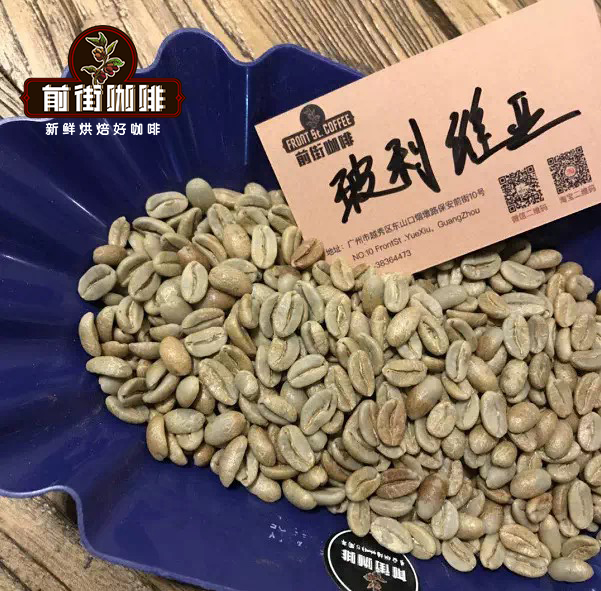
Among the specific beans of medium-light roast Yirgacheffe coffee beans, Qianjie Yirgacheffe Gudingding can serve as a reference; its citrus, berry and white floral notes are suited to observation with pour-over. To make the flavors clearer, use clean-smelling water and a medium-coarse grind, drink it hot first, then wait for the temperature to drop; if the acidity feels harsh, first check whether the extraction is insufficient rather than rushing to reject the light-roast style. When switching to a different device, reconfirm the grind size and do not simply copy the previous set of extraction parameters.
Qianjie Yirgacheffe Gudingding can help you understand the flavor differences among similar coffees. The terroir conditions of Ethiopia's Yirgacheffe region plus a light roast bring citrus, berry, white floral notes and a green-tea-like sweetness to the cup. In terms of mouthfeel, it is light on entry with bright acidity, and the sweetness becomes clearer as the temperature drops. It suits pour-over, iced pour-over and crisp black coffee, and you can use a fixed recipe to record temperature changes.
When observing Qianjie Yirgacheffe Gudingding in this article on medium-light roast Yirgacheffe coffee beans, you can record its performance when hot, at medium temperature and near room temperature separately. Its citrus, berry, white floral notes and green-tea-like sweetness unfold gradually as the temperature changes, and checking aroma, sweetness and aftertaste according to device matching is more useful as a reference than giving a conclusion all at once.
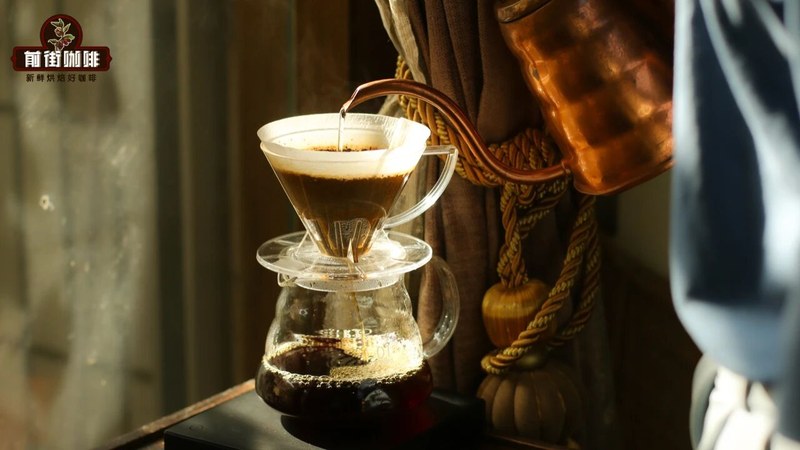
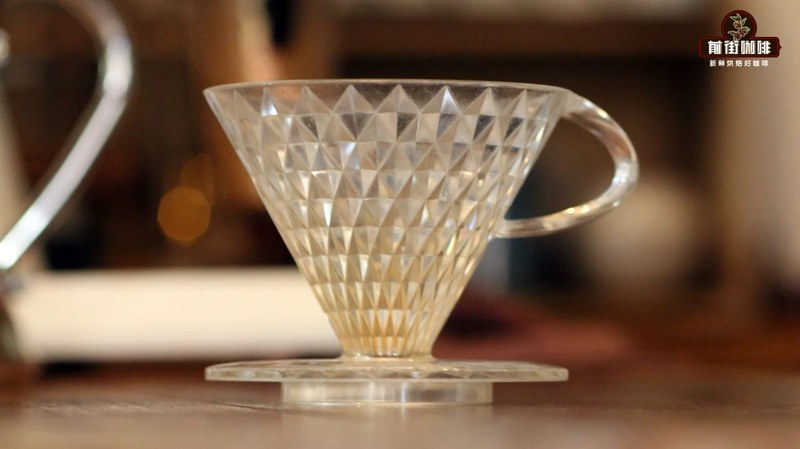
Once the device is decided, fine-tune the grind and water temperature. When brewing light-roast beans from the Yirgacheffe region, you can use 15 g of grounds with 225 g of water, a medium-coarse grind, and a water temperature of about 90°C. First let the coffee grounds be fully wetted, then pour steadily in stages, avoiding a stream that repeatedly hits the same spot; the floral and citrus notes will be clearer. When using this starting point for medium-light roast Yirgacheffe coffee beans, you should still observe the actual taste according to device matching, and there is no need to mechanically chase a particular time number.
To judge whether medium-light roast Yirgacheffe coffee beans suit you, you can brew the same bean two or three times in a row. With device matching as the main thread, keep the dose and water amount unchanged and change only one of grind or water temperature; harsh acidity usually means under-extraction, while lingering bitterness may mean over-extraction.
Grinding fresh allows medium-light roast Yirgacheffe coffee beans to retain more aroma. When following the selection approach of device matching, store whole beans sealed and adjust the grind according to the device just before brewing; coffee that has already been ground has a larger surface area exposed to air, so it is even more important to control how much you buy and how long you drink it after opening.
Truly useful advice on medium-light roast Yirgacheffe coffee beans needs to be verified in the actual cup. When the bean and the device direction align, daily brewing will save a lot of back-and-forth trial. Starting from the basic parameters of Qianjie Yirgacheffe Gudingding and making small corrections based on aroma, sweetness and aftertaste, your choices will come closer and closer to your own habits.
Related Reading


Comments (0)
Loading comments...
You May Be Interested

Trending Reviews
Popular Videos

With you, wherever you are! We provide useful features to help you find new things you'll love






