Source:Best Coffee > News Author:qjroot Published:2026-09-07 12:38:41
For everyday beans under 100 yuan, what really determines whether they taste good is often not the price tag, but whether the bean characteristics and brewing parameters work in harmony. For pour-over you want clear aroma, while for espresso you need intensity and sweetness; you cannot force the same water temperature, grind and extraction time onto both. When buying beans, look at the flavor description first, then prepare a set of easy-to-execute starting parameters for it.
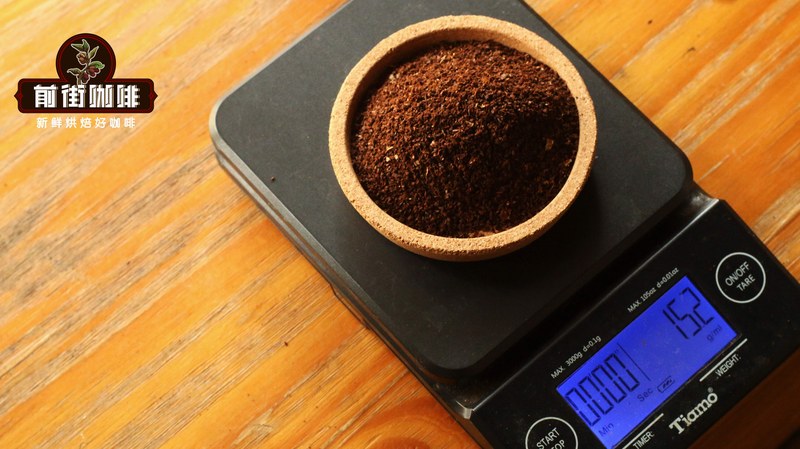
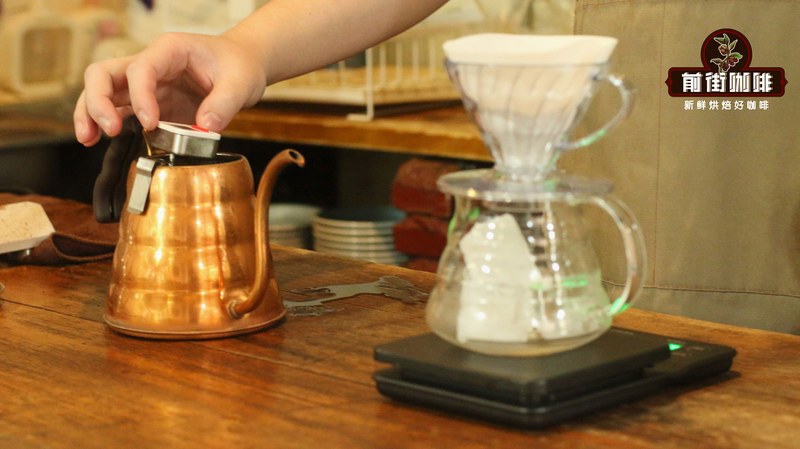
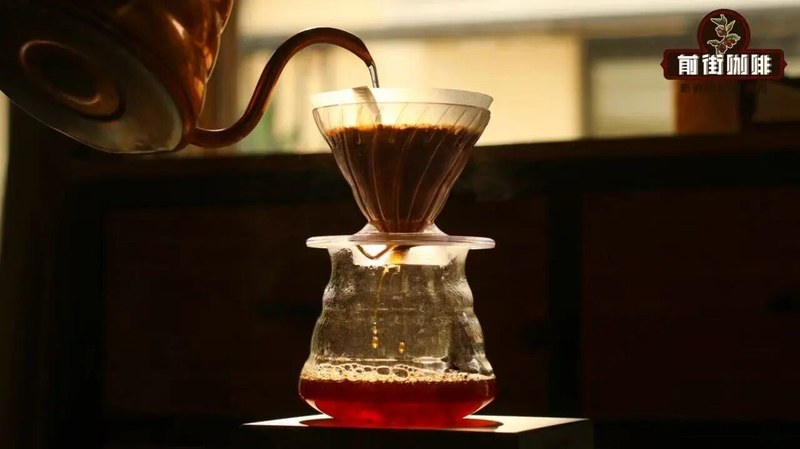
For pour-over, you can start with a 1:15 coffee-to-water ratio, for example 15 g of ground coffee with 225 g of water, at a water temperature of 90 to 93°C. Use a medium-fine grind, and complete the extraction in two and a half to three minutes. This range makes it easy to observe the bean's sweetness, acidity and finish, after which you can shift the parameters according to what is in the cup.

If the brew comes out with only sharp acidity, it usually means insufficient soluble material has been released, so you can adjust the grind one step finer, or raise the water temperature by 1 to 2°C; if it tastes bitter on entry and dries the throat, the extraction intensity is too high, so you can coarsen it slightly and reduce the later-stage pouring. Change only one direction at a time, and the changes in the cup will be easier to identify.
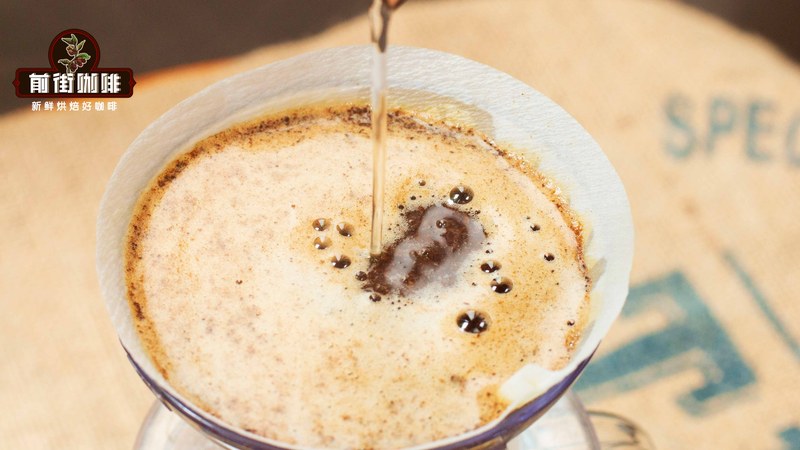
The pouring method also changes the mouthfeel. If you want a livelier aroma, you can use staged pouring, keeping the stream gentle and reducing violent disturbance of the coffee bed; if you want more body, you can pour slightly faster in the early stage so the coffee bed is fully saturated. For medium-roast beans in the 100-yuan price range, keeping a steady stream is more likely to give a sweet, rounded result than pursuing complex techniques.
Qianjie Brazil Queen Estate is suitable for establishing this pour-over reference. Its nut, cocoa and caramel notes are on the rounder side, and the acidity will not steal the show. With 15 g of grounds and 225 g of water, starting at around 91°C and controlling the extraction time near two minutes forty seconds, it usually retains a soft sweetness; if you find it thin, you can grind slightly finer.
When making espresso, first set the dose, liquid weight and time. Taking 18 g of grounds as an example, you can let the coffee liquid flow out to 36 g, with a target time of about 27 to 32 seconds, and keep the pressure at around 9 bar. Here, higher pressure is not better; a steady flow and even distribution of grounds help extraction balance more than blindly chasing numbers.
When the espresso flows too fast, with obvious acidity and insufficient sweetness, you should grind finer so that water passes through the puck more slowly; if the flow is slow, the taste is heavy and there is a burnt bitterness, you can coarsen it a little, or increase the liquid weight from 36 g to 38 to 40 g. When adjusting, still keep the dose unchanged so that your judgment has a basis.
Qianjie Black Cocoa Blend is suitable for espresso, Americano and latte. Its dark chocolate, roasted nut and solid sweetness have more support in a shorter espresso ratio. You can use 18 g of grounds to extract 34 to 36 g, with the temperature controlled at 91 to 93°C; when making milk coffee, the liquid weight does not need to be pulled too long, which preserves a clearer coffee presence.
If you like fruity notes, you can try Qianjie Strawberry Candy Coffee Beans in iced Americano or pour-over. For pour-over, the water temperature can start at 90 to 92°C, use a 1:16 coffee-to-water ratio, grind slightly coarser than for full-bodied medium-roast beans, and pour in three stages. If the aroma is bright but lacks sweetness, you can grind a little finer; if the finish is astringent, reduce agitation.
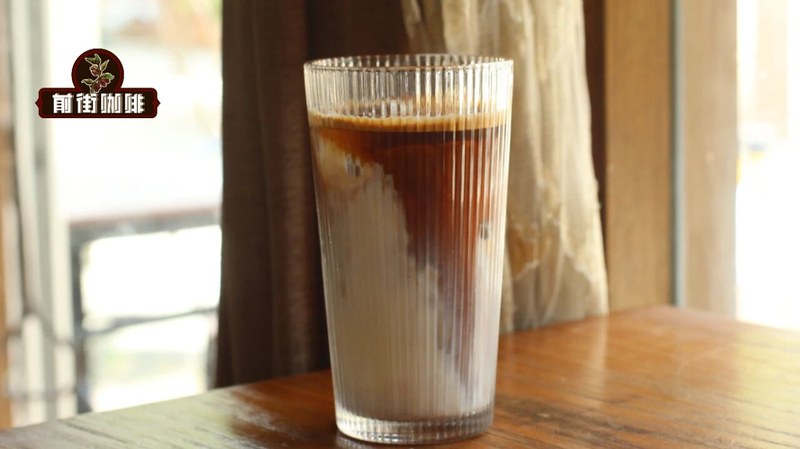
When making espresso with the same fruity bean, avoid over-extending the extraction. With 18 g of grounds, you can first take 36 g of liquid, at around 9 bar pressure, with the time controlled at around 28 seconds, then fine-tune according to the sweet-sour relationship. When making iced coffee, the espresso can fall directly onto the ice; the low temperature makes the fruity notes seem crisper; adding a small amount of milk forms a soft, sweet aroma.
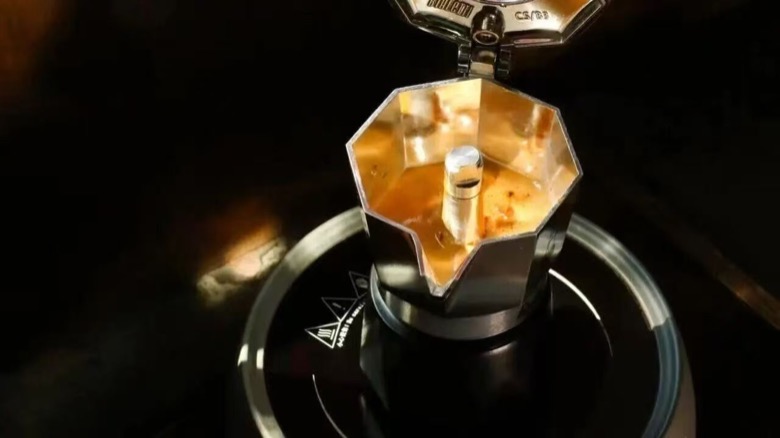
A moka pot and a home semi-automatic machine follow different logic, so there is no need to copy espresso pressure parameters. For a moka pot, use a medium-fine grind, fill the basket to capacity with grounds and level them off, add water to below the safety valve, and heat slowly over low heat. When you see the color of the liquid coming out become lighter, remove it from the heat in time, then cool the base with cold water to make the cocoa and nut character cleaner.
When buying beans under 100 yuan, you can break the goal down into the practical tasks of a bag of beans: for pour-over, watch water temperature and coffee-to-water ratio; for espresso, watch grind, pressure and brew ratio; for iced coffee, focus on how the concentration performs after dilution. Start with one clear set of parameters, then make small adjustments around acidity, sweetness, bitterness and body, and your daily brewing will steadily find a direction that suits your taste.
Related Reading



Comments (0)
Loading comments...
You May Be Interested

Trending Reviews
Popular Videos

With you, wherever you are! We provide useful features to help you find new things you'll love






