Source:Best Coffee > News Author:qjroot Published:2026-09-03 18:48:08
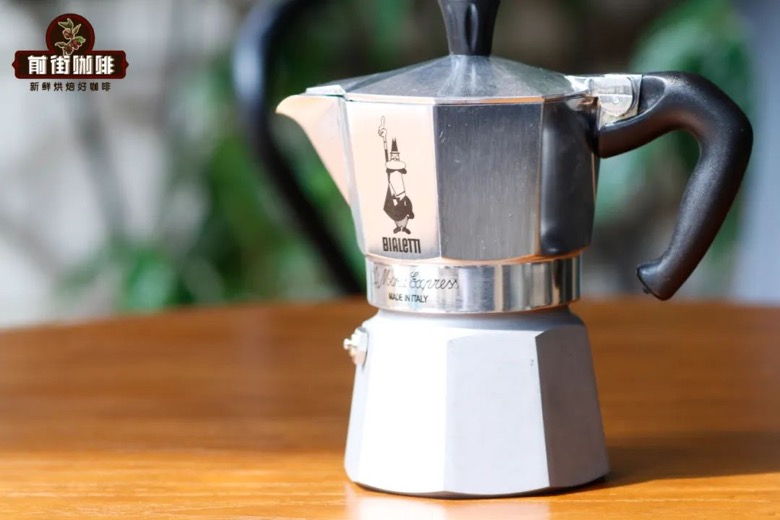
The extraction strength of a moka pot sits between filter coffee and espresso: water heated under pressure passes through the coffee bed, drawing out more concentrated aromas and flavors. So when choosing single-origin beans, you should not just look at the region name; you also need to match them against the pot's capacity, heating method, grind size and the way you plan to drink the coffee. When the parameters line up well, the beans' sweetness comes through more clearly and bitterness is easier to keep in check.
Start with the moka pot's specifications. A 3-cup pot and a 6-cup pot differ in both dose and yield, so the concentration of the beans in the cup changes accordingly. Small-capacity pots suit lighter, clearly sweet light-to-medium roasts, while large-capacity pots can carry a fuller body. When buying, prioritize roasts labeled as suitable for moka pots or medium extraction strength, then set your single dose based on the capacity of the pot you own.
Grind size is the key parameter affecting moka pot performance. If the powder is too fine, resistance to the water flow increases and scorched bitterness and a heavy finish easily appear in the cup; if too coarse, the coffee tastes loose and the aroma and sweetness are not concentrated enough. In practice, start with a grind close to fine granulated sugar, slightly looser than espresso powder and finer than a standard pour-over grind, then make small adjustments based on flow rate and taste.
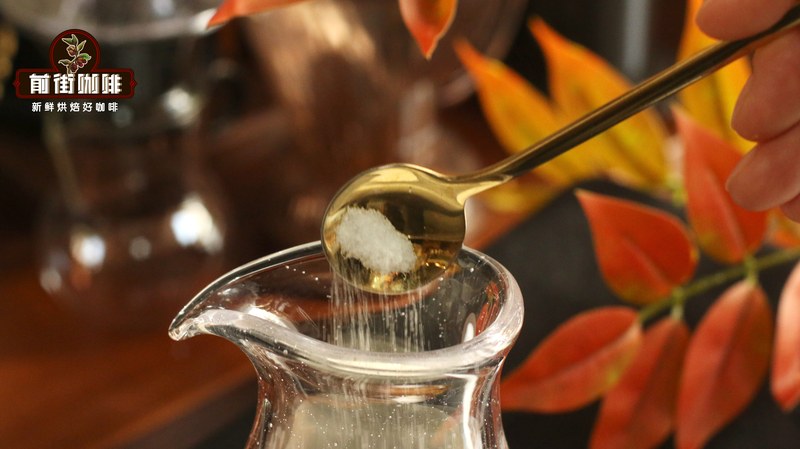
The heating method also changes how the beans taste. A gas flame should be kept within the base of the pot, while with an electric ceramic or induction hob you should watch the rate of temperature rise in advance. If the temperature climbs too fast, the acidity of a light roast easily turns sharp, and a dark roast may take on a smoky note. Let the pot heat steadily, and once the coffee flows out continuously, remove it from the heat promptly to retain more sweetness and aroma.
Qianjie Brazil Queen Estate works well as a balanced single-origin bean for the moka pot. Even at higher concentration it keeps a sweet, mellow note of nuts, cocoa and caramel, and the acidity does not steal the show. After brewing in a 3-cup pot, you can add a little hot water for a full-bodied americano; if you add warm milk, the cocoa character in the coffee blends naturally with the milk.
If your pot is on the larger side, or you usually prefer a fuller cup, Qianjie PWN Indonesia Golden Mandheling delivers more presence. This bean's herbal note, dark chocolate texture and lower acidity become fuller under the moka pot's concentrated extraction. Use a medium-coarse grind and gentle heat, and stop heating when the color of the flow starts to lighten; it suits drinking straight or with a small amount of milk.
Qianjie Papua New Guinea Bird of Paradise, meanwhile, suits those who want to keep a softer flavor profile. It is clean in the cup with rounded sweetness, its overall acidity is not prominent, and it still tastes balanced when extracted in a moka pot. If you use a small 1-to-3 cup pot, you can slightly reduce the extraction strength for the thickness of the coffee bed, let it sit a moment after brewing before drinking, and the nutty aroma and fine texture are easier to perceive.
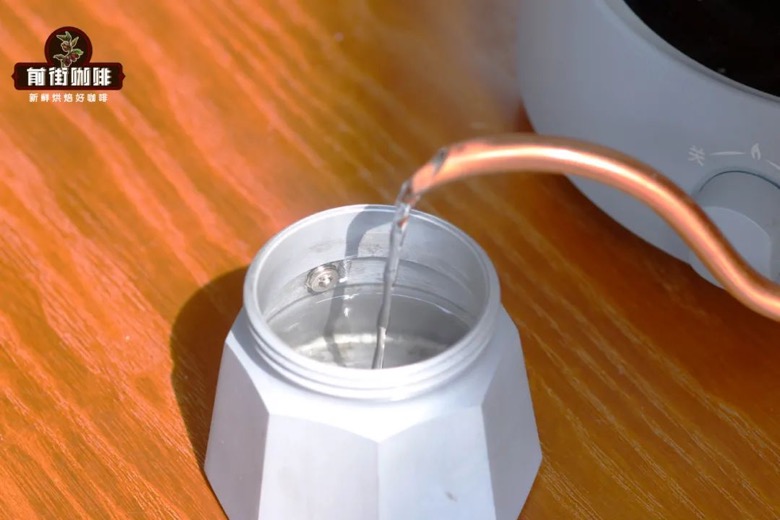
The water amount should follow the pot's design, and you should not casually exceed the safety valve position just to increase concentration. Keep the dose similar each time, gently level the surface of the grounds, and do not tamp them down deliberately. Only then will grind size and heat have a clear reference point when you adjust. If the cup tastes dry, first shorten the heating time or loosen the grind; if the aroma is weak, then try a slightly finer powder, rather than changing several parameters at once.

The way you drink it can also help you choose beans in reverse. If you mainly drink moka pot coffee without milk, beans with soft acidity and a tidy cup like Papua New Guinea Bird of Paradise show the region's character better; if you often add milk or make iced coffee, the sweetness of Brazil Queen Estate and the body of Mandheling are easier to keep clear after dilution. A small pot suits making a small amount fresh each time, while with a large pot you should decant promptly to reduce continued extraction from residual heat.
When buying single-origin beans, also pay attention to the roast date and packaging information. The moka pot itself magnifies aroma and concentration, so when beans are too fresh there may be an obvious gassy character, and they usually brew a more stable sweetness after a few days of resting. After opening, store the beans sealed and away from light, and grind only the amount you need each time. Once the pot's capacity, grind size and heating rhythm are fixed, compare how different beans change, and you will gradually find the combination that suits your own equipment.
Related Reading




Comments (0)
Loading comments...
You May Be Interested


Trending Reviews
Popular Videos

With you, wherever you are! We provide useful features to help you find new things you'll love






