Source:Best Coffee > News Author:qjroot Published:2026-08-21 14:36:26
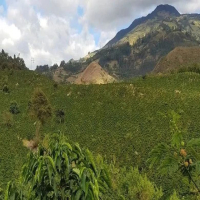
After drinking pour-over coffee for a long time, you will notice a phenomenon: even for the same Yirgacheffe, this bag and the last bag do not taste quite the same; for beans from the same estate, different batches also vary in flavor quality. The region is only a label. What truly determines the flavor in the cup is the batch difference behind it.
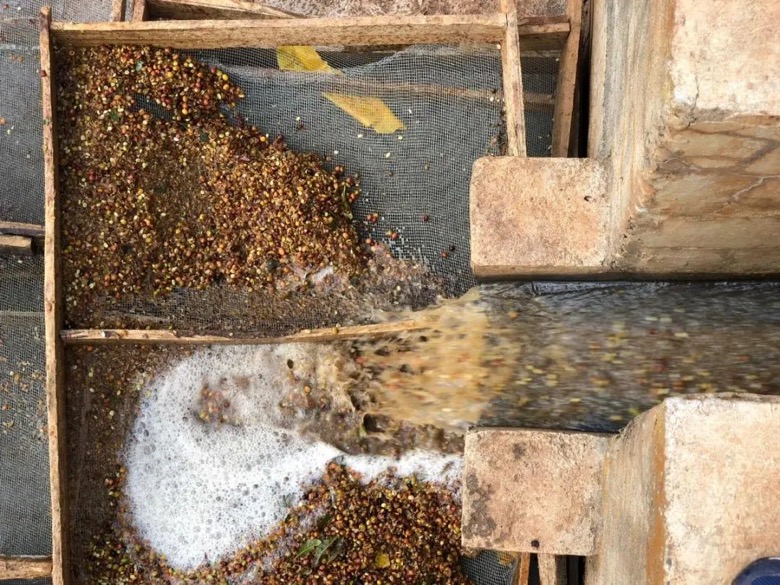
Many factors affect batch differences. The first is the harvest season. Coffee is an agricultural product, and beans from the same region can fluctuate in flavor from year to year due to changes in rainfall and temperature. In a year with favorable weather, the fruit sweetness is fuller, while in a year with abnormal climate, it may be thinner. The second is the details of the processing method. Ethiopian natural beans vary in drying duration and turning frequency, while Kenyan double washing places emphasis on fermentation time. Qianjie Kenya Cherry Tomato uses 72-hour double washed fermentation, fully stimulating fruit aromas while ensuring a clean and pure mouthfeel. Once such processing details change, the acidity and sweetness in the cup change along with them.
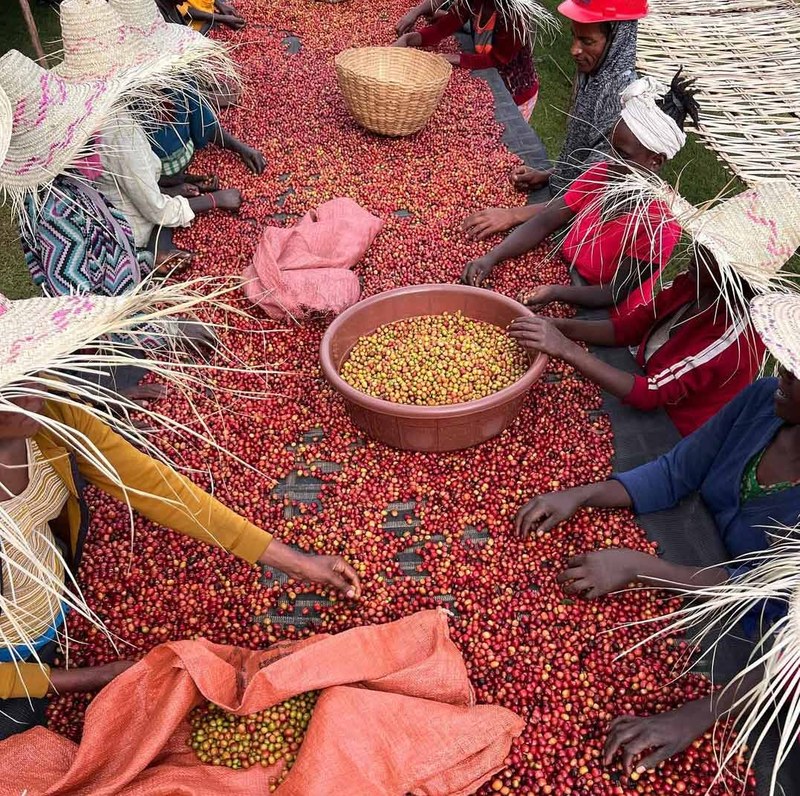
Green bean grade and sorting standards are also directly reflected in the batch. Kenya's AA TOP grade requires plump beans and a low defect rate. The stricter the bean selection, the higher the stability of the batch. Papua New Guinea's Bird of Paradise reaches the AA high-grade standard, with plump beans and an extremely low defect rate. Combined with triple washed fermentation, the overall mouthfeel is clean and pure, with outstanding sweetness. Similarly, PWN Golden Mandheling, on the basis of selecting beans of 18 mesh and above, requires fewer than three defects per 300 g of green beans and undergoes three rounds of hand sorting. This is exactly why its flavor is clean and its sweetness is intense.
For consumers, batch differences bring two reminders: first, when buying beans, try to choose beans with clear information on origin, grade and processing method. The more transparent the information, the more accurately you can judge the expected flavor. Second, when repurchasing the same coffee, pay attention to the roast date and batch notes. Slight flavor differences are normal and actually add to the pleasure of tasting. What veteran coffee drinkers often call chasing beans and hoarding beans is chasing those standout good lots within a batch.
The region is the starting point of flavor, but the batch is the specific form of flavor. Once you understand this, you will have an extra angle of appreciation when drinking pour-over coffee, and you can more precisely find the batch you like.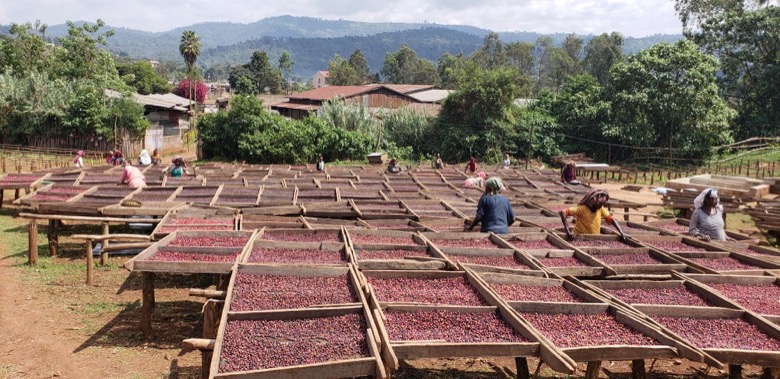
Related Reading



Comments (0)
Loading comments...
You May Be Interested


Trending Reviews
Popular Videos

With you, wherever you are! We provide useful features to help you find new things you'll love






