Source:Best Coffee > News Author:qjroot Published:2024-11-02 18:42:42
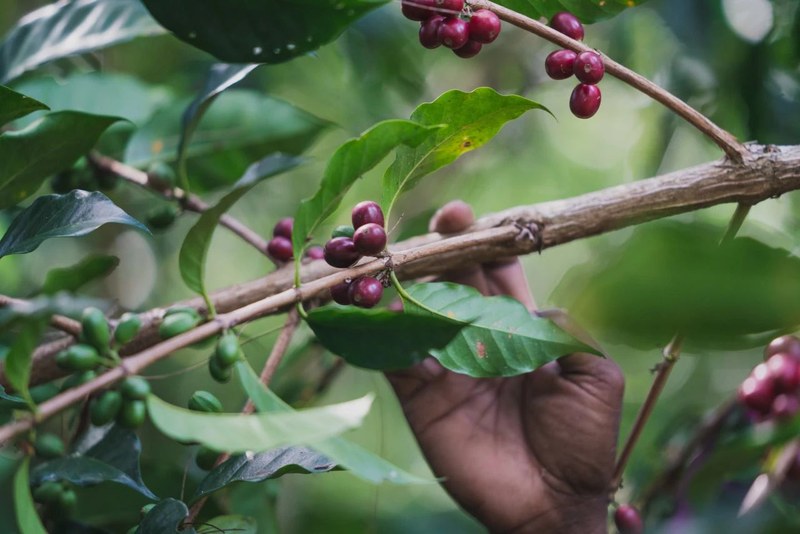
According to media reports, coffee-growing regions in Brazil are about to see the return of effective rainfall, which is expected to ease the recent drought conditions and benefit the growth of coffee trees in the new crop season, especially as November begins, when Arabica coffee-growing regions enter a new flowering season.
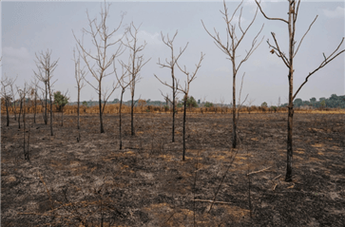
Since April this year, Brazil has reported high temperatures and drought, and the situation has been very severe. In many regions where coffee and other agricultural products are mainly grown, average temperatures have been higher, and rainfall has consistently been below the historical average. In some areas, there was even a state of no rainfall for nearly 6 months. In addition, several major rivers in Brazil have dried up or seen falling water levels due to the drought, leading to water shortages. These conditions have not only led to a reduction in coffee production for the 2024/25 season, but have also damaged the planting conditions and production potential of coffee in the new 2025/26 crop season.
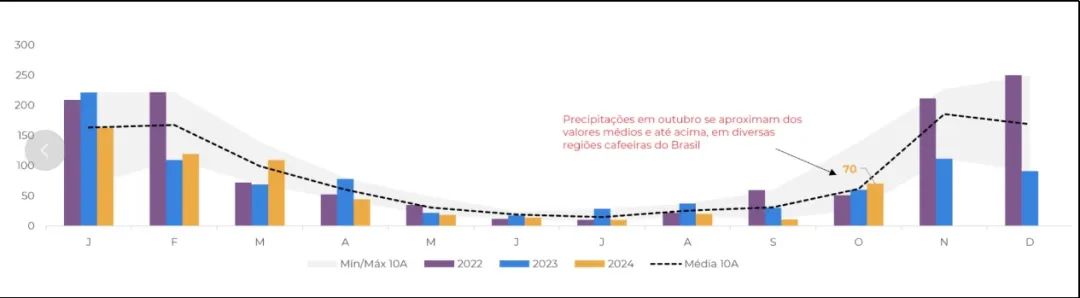
According to a report from Brazil's meteorological department, in the previous week the rainfall in the state's coffee-growing areas was only 25.1 mm, which was 74% of the historical average, but cumulative rainfall for the entire October was higher than in the previous two years, though still below the historical average.
According to meteorologist Climatempo, heavy rain is expected in early November in Minas Gerais, Brazil's largest Arabica coffee-producing region. If rainfall remains stable over the coming weeks, coffee flowering will be better restored. However, according to local Brazilian experts, sustained rainfall may slow the losses, but it is not enough to make up for the losses caused by the previous severe drought and high temperatures.
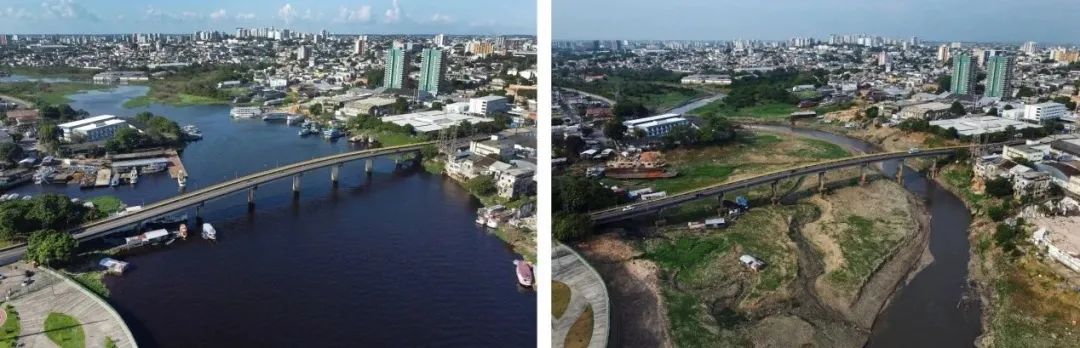
However, although rainfall has returned in several regions of Brazil, rainfall in the Amazon region is still insufficient, and combined with rising temperatures and climate change, this has further intensified the impact on ecosystems, food security and transport infrastructure. At present, water levels in important waterways such as the Amazon River, the Rio Negro and the Madeira River remain at historic lows.
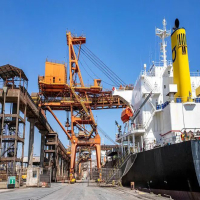
According to a report by Wilson Sons, Brazil's largest integrated port and shipping logistics service provider, the impact of the drought on domestic shipping is particularly evident, especially the disruption to river transport, which has hindered the transport of grain, fertilizer and other goods to inland areas and extended the time and cost of goods supply chains, potentially leading to higher local prices.
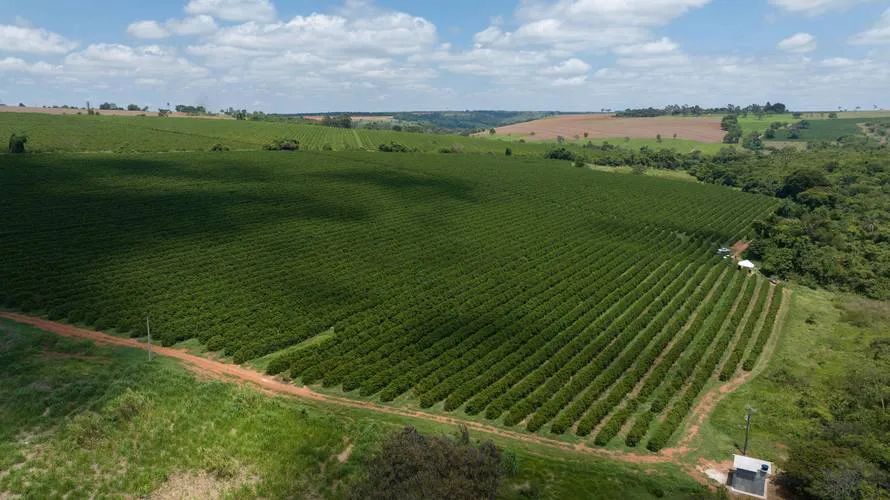
For Brazil's coffee industry, it may currently face the possibility of rising prices and cultivation costs. Besides the impact of drought on logistics and transportation, the biggest impact is the recent sharp plunge in the exchange rate of the Brazilian real.
Recently, affected by fiscal uncertainty and the upcoming US presidential election, the US dollar has strengthened significantly in the Brazilian market. This week, the Brazilian real has fallen by a cumulative 2.86%, and the real-to-dollar exchange rate has dropped to its lowest point in nearly 3 months. Although the depreciation of the real makes Brazilian coffee more price-competitive in the international market, the depreciation also means higher prices for imported materials such as fertilizers and pesticides, increasing cultivation costs.
In addition, as the delay rates at multiple Brazilian ports remain high, and due to factors such as strikes, the export logistics situation has not improved, increasing export costs. According to previous reports, these situations have already incurred costs of 5.938 million yuan for exporters. Coupled with the delay of the EU's EUDR policy, the EU's demand for coffee has slowed in the short term, and the reduced import volume has also caused international coffee prices to fall. Therefore, future coffee production and prices are full of uncertainty.
To learn more about coffee origins news and information, please scan the QR code to follow: Kaping
Long-press the QR code to follow:

Related Reading


Comments (0)
Loading comments...
You May Be Interested



Trending Reviews
Popular Videos

With you, wherever you are! We provide useful features to help you find new things you'll love






