Source:Best Coffee > News Author:qjroot Published:2026-09-22 13:51:43
Many people tear open a drip bag and simply pour a lot of water over it into the cup, or even let it steep like a tea bag. This often makes it hard to taste the full layers in the coffee. A drip bag is actually a compact pour-over drip system, and the rhythm with which hot water penetrates the coffee bed directly determines the direction of the flavor in the cup. As long as you master the rhythm of staged pouring, a small packet of coffee can also be like a key that opens the fascinating world of terroir across major regions.
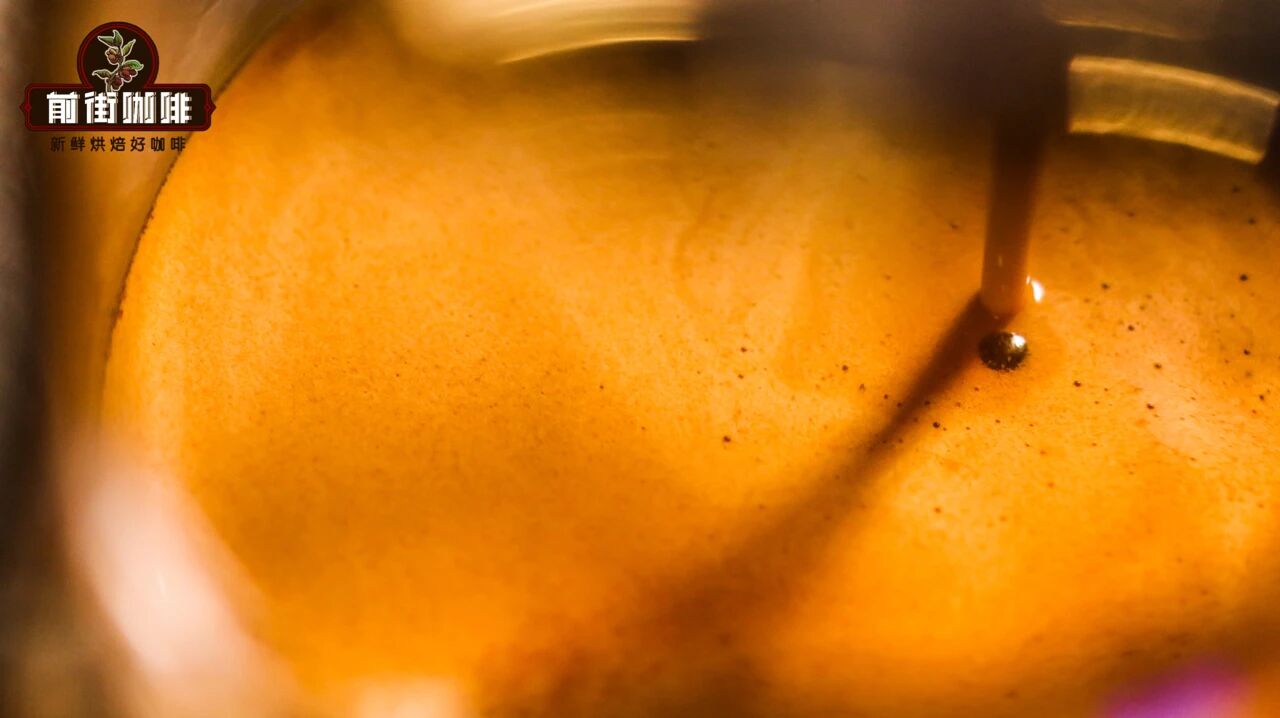
To understand the stages of a drip bag, it helps to first look at the standard extraction logic of everyday pour-over coffee. In professional brewing, 15g of coffee is usually paired with a 1:15 coffee-to-water ratio, pouring 225ml of water, with the water temperature controlled at around 90°C. First use 30ml of water to bloom for 30 seconds, then pour in stages, with the total time controlled at around 2 minutes (between 1:50-2:20). The core of drip bag coffee is the same: both rely on staged extraction to balance the ratio of acidity, sweetness and bitterness.

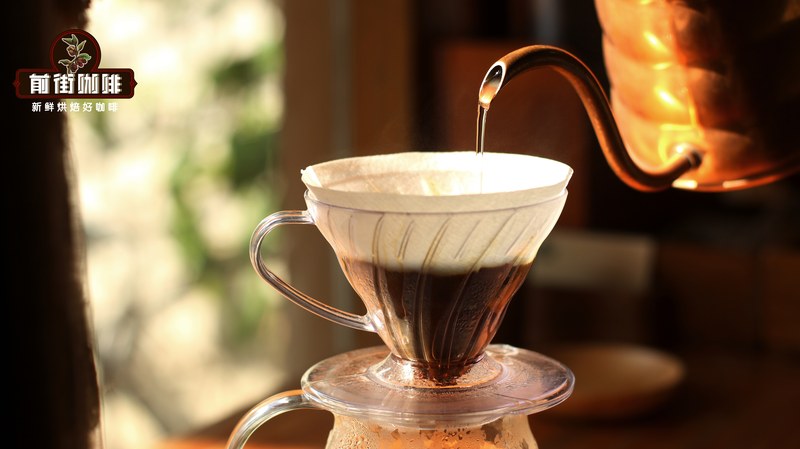
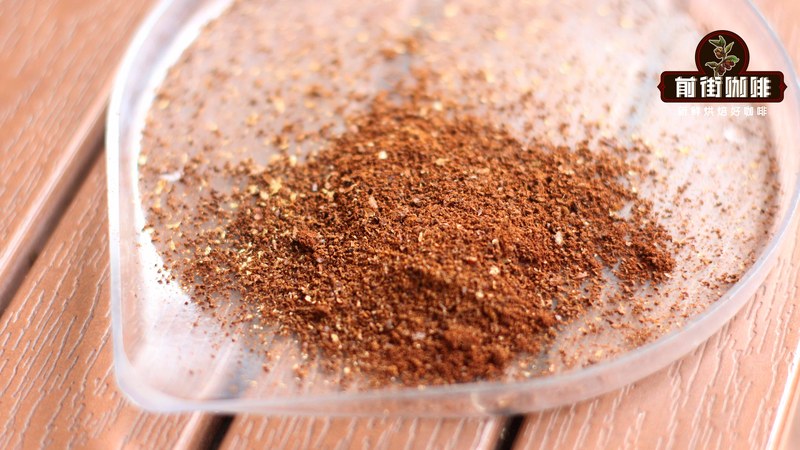
A standard drip bag usually contains 10 grams of finely ground coffee, and it is recommended to prepare hot water at 88-95°C. Tear it open and set it steadily over the cup, first pour in a small amount of hot water to fully wet the coffee bed, and let it bloom for 10-20 seconds to release gas; then pour the middle-stage water in a thin, slow stream, wait for the liquid level to slowly fall, then gently pour the final-stage water until the total poured water reaches about 150 grams. After the coffee liquid has fully dripped through, gently swirl the cup and you can taste a clean flavor.
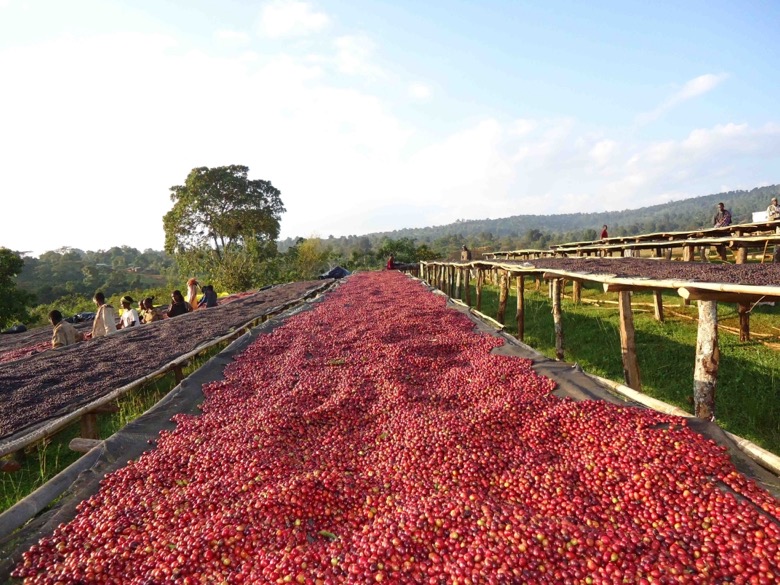
Staged pouring can precisely awaken the terroir personality of different regions. If you prefer fresh floral and fruity aromas, the flavor map of African regions is not to be missed. For example, the medium-light roast Qianjie Yirgacheffe seasonal drip bag, grown on the high-altitude red-soil plateau, greets you with the fragrance of small white flowers and citrus when water is poured, and the bright fruit acidity on the palate is like chewing fresh lemon and tropical fruit, very suitable for friends who like a light, juice-like mouthfeel and seek refreshment and alertness.
Turning your gaze to Central and South America across the ocean, the coffee terroir here shows a completely different gentleness and inclusiveness. Thanks to the rolling Andes Mountains and abundant sunshine and rain, coffee beans produced in Central and South America are known for balance and smoothness. Whether it is the roundness of Colombia or the fresh sweetness of Panama, they often carry notes of ripe nuts and warm cocoa, making them an especially friendly starting point for beginners to build a coffee flavor coordinate system.
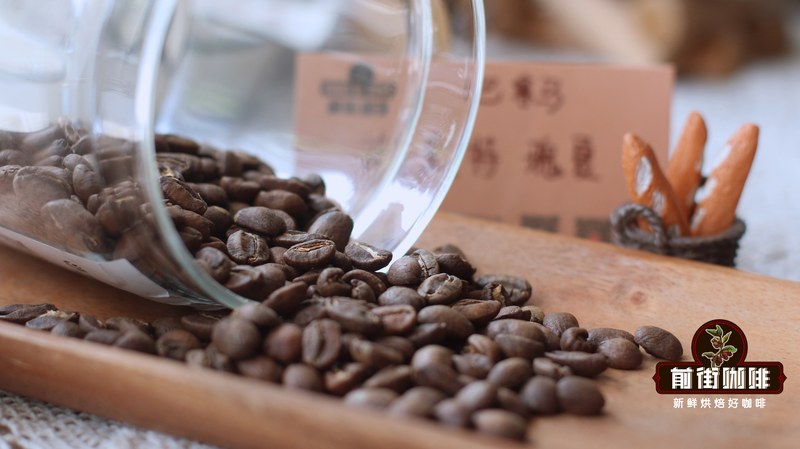
The representative of Central and South American terroir is the medium roast Qianjie Brazil region seasonal drip bag. Brazil's gentle plateau sunshine gives the beans a full sweetness. After three-stage drip pouring, the cup gives off the tempting aroma of mixed nuts and warm cream, with extremely low acidity and a gentle bitterness. The overall mouthfeel is approachable, like a piece of toffee melting on the tip of the tongue, especially suited to everyday office workers who dislike sourness and pursue a mild, balanced taste.
If you are drawn to rich, heavy woody notes and deep bittersweetness, the terroir of Asian regions will amaze you. For example, the medium-dark roast Qianjie Indonesia region Mandheling seasonal drip bag, nourished by fertile volcanic ash soil and shaped by the special wet-hulling process, develops a wonderful complexity of herbs and dark spices. After staged hot-water extraction, the intensity of dark chocolate and caramel sweetness gush forth, with a solid, deep body, deeply loved by veterans who favor bold coffee.
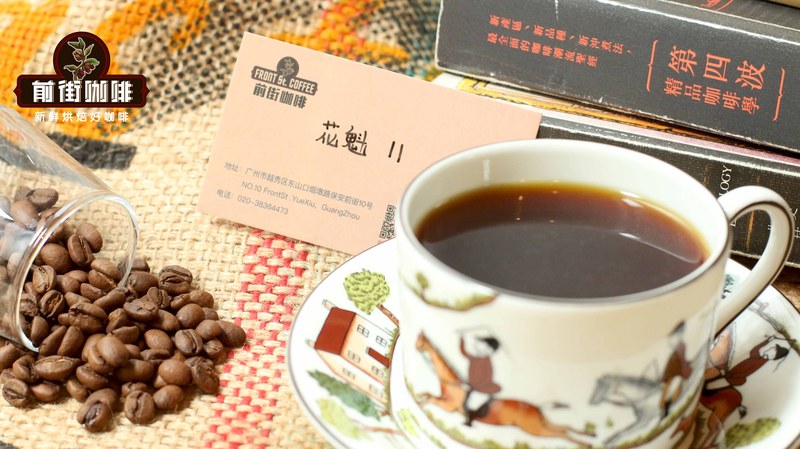
To fully experience the terroir and geography of the three major regions, freshness is the lifeline of drip bag coffee. Once coffee is ground, its surface area increases many times over, and aromatic compounds tend to gradually volatilize over time. Insist on choosing drip bags made from coffee beans freshly roasted within 5 days, and drink them as soon as possible after opening, so that Ethiopia's floral aroma, Brazil's nutty sweetness and Indonesia's herbal sweetness can all be firmly locked in the cup, restoring the true appearance of the origin.
Drip bag coffee is not only a convenient supply in a busy life, but also a flavor journey you can begin anytime, anywhere. Prepare a fine-spout kettle with smooth pouring, and carry out three-stage extraction at a relaxed pace. Whether it is the vivid fruit acidity of African flavors, the balanced mellow nuts of Central and South America, or the long-lasting herbal finish of Asia, each can release its own terroir charm in a small drip bag, making every morning's coffee time full of anticipation.
Related Reading
Comments (0)
Loading comments...
You May Be Interested


Trending Reviews
Popular Videos

With you, wherever you are! We provide useful features to help you find new things you'll love






