Source:Best Coffee > News Author:qjroot Published:2026-09-16 01:56:41
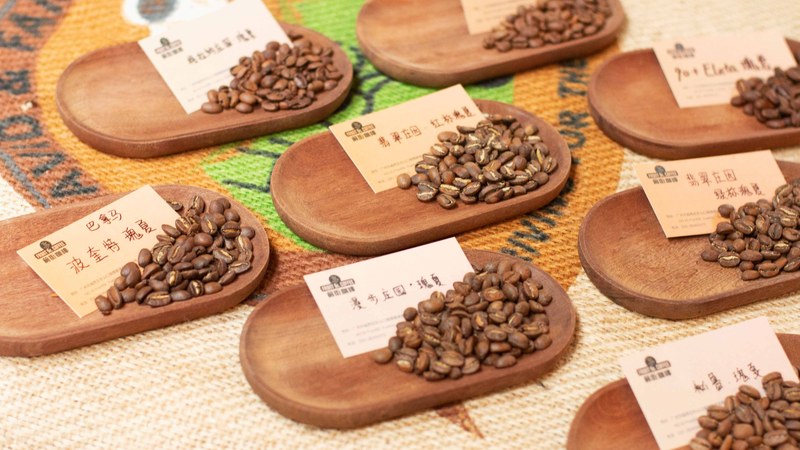
After roasting, coffee beans develop their own distinct physical structures and flavor tendencies. Single-origin beans focus on presenting the original aromatic characteristics of their region, while blended beans are better at merging multiple flavors to maintain a full-bodied texture. When choosing coffee beans, if you can take into account the brewing equipment and extraction parameters you commonly use, it is often easier to bring out the ideal taste in your coffee.
When drinking single-origin coffee by pour-over, lightly roasted beans are relatively hard in texture, and the release of their internal aromatic substances requires delicate rhythm control. For light roasts with bright fruit acidity and floral notes, focus on their sweet-and-sour balance when selecting, and by adjusting the grind and water temperature, let the fruit aromas dissolve smoothly into the coffee liquid.
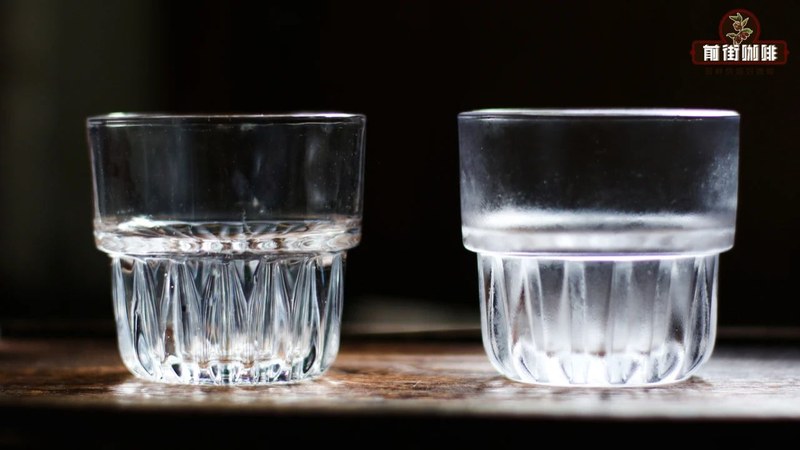
When brewing light-roasted, fruit-forward single-origin beans, set the water temperature at 89°C, use 15g of coffee grounds with 225ml of water, for a coffee-to-water ratio of 1:15. A three-pour method suits the pouring: first pour 30ml of water and let it bloom for 30 seconds to fully release gases, then steadily pour 95ml, and after the liquid level in the bed drops, evenly pour the final 100ml. Keep the total extraction time at 2 minutes 05 seconds to brew a cup of black coffee with soft acidity and a refreshing, juicy feel.
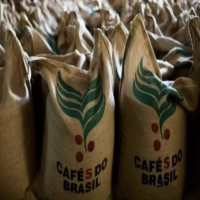
Medium-roasted single-origin beans maintain a very comfortable balance between aroma and sweetness, and the overall extraction is quite forgiving. For example, Qianjie Brazil Queen's Estate is a representative of the gentle style, giving off sweet aromas of roasted nuts, soft caramel and cocoa after roasting, with delicate, mild acidity. Whether made as pour-over or an everyday black coffee, it keeps a smooth and rich mouthfeel.
When brewing medium-roast, nutty single-origin beans like Qianjie Brazil Queen's Estate, it is recommended to use a water temperature of 90°C, take 15g of grounds, and pair with 240ml of total water, setting the coffee-to-water ratio at 1:16. Use a two-pour method: first bloom with 40ml of hot water for 25 seconds, then pour in a steady circular motion from the inside out up to 240ml, keeping the total brewing time at about 2 minutes 15 seconds. In this way, the caramel sweetness and nutty aroma of the whole cup can be fully brought out.
After a longer development, deeply roasted single-origin beans have looser fibers inside the bean, and the flavor focus shifts toward rich herbal notes, dark chocolate and roast aromas. When choosing dark roasts, people usually value their thick oily body and low acidity. Brewing this type of bean requires precise control of the extraction time to fully show its full, steady character.
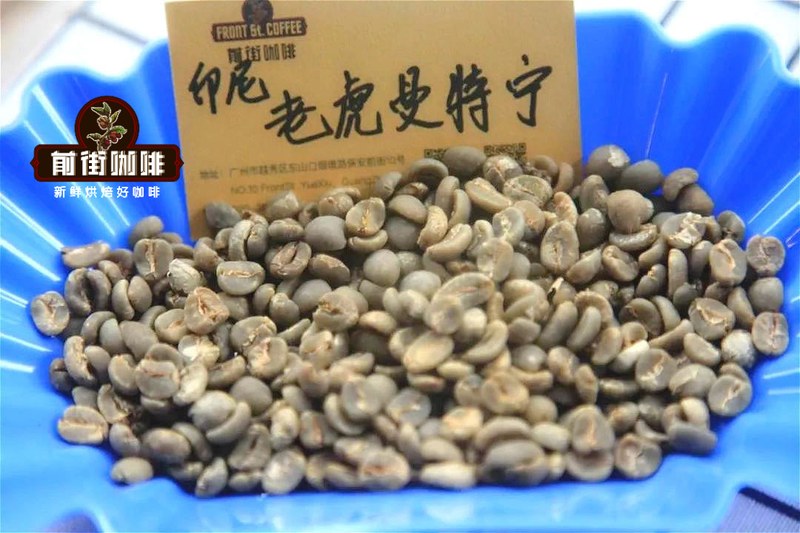
Take Qianjie PWN Indonesia Golden Mandheling as an example. This dark-roasted single origin is widely favored for its solid dark chocolate flavor and rich herbal aroma. When brewing, use a water temperature of 92°C, set the grind slightly coarser, take 16g of coffee grounds, and pour 220ml of water. Use a single-pour method: after blooming with 30ml of water for 20 seconds, pour steadily and evenly at a constant rate until the total amount is reached, keeping the total time at 1 minute 50 seconds. The result is full-bodied and clear in layers on the palate.
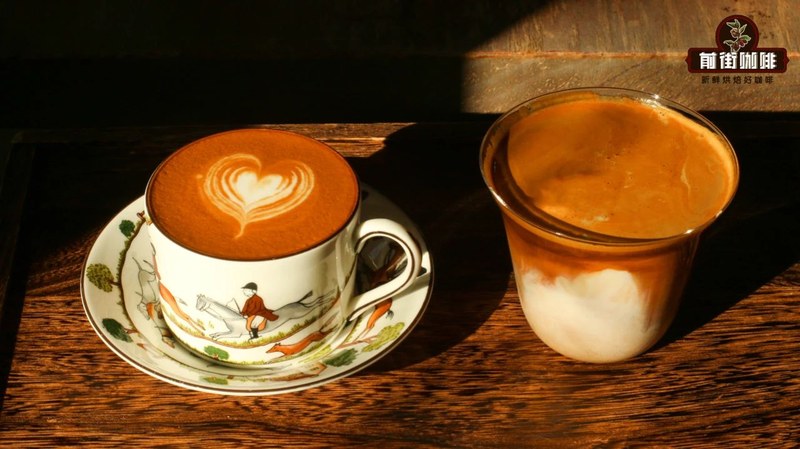
Unlike single-origin beans that pursue regional character, blended coffee complements the strengths of beans from different regions, aiming to provide a more balanced and stable flavor base. For drinkers who prefer adding milk to make lattes or cappuccinos, or who are used to starting the morning with an espresso, blended beans can deliver a richer, full-bodied taste that is not easily masked by milky aromas.

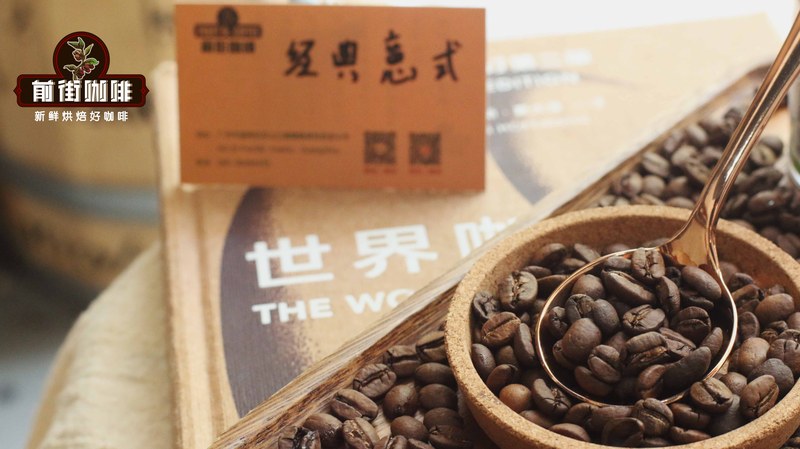
Qianjie Classic Blend is a blended bean suited to espresso brewing, with a flavor profile focused on rich nuts, caramel and dark cocoa, and an outstanding overall strength. When using a home semi-automatic espresso machine, maintain the extraction pressure at 9bar, take 18g of coffee grounds, use a water temperature of 93°C, and extract 36ml of espresso within 28 seconds. The resulting espresso has a thick crema, and after adding hot milk, the sweetness lingers.
The process of choosing beans is actually also a process of finding the right match for your extraction plan. Single-origin beans let you appreciate rich regional aromas, while blended beans give your daily cup a constant full body and sweetness. As long as you adjust the water temperature, coffee-to-water ratio and pouring rhythm appropriately, every bag of coffee you buy can fully release its unique flavor charm.
Related Reading
Comments (0)
Loading comments...
You May Be Interested


Trending Reviews
Popular Videos

With you, wherever you are! We provide useful features to help you find new things you'll love






