Source:Best Coffee > News Author:qjroot Published:2025-03-15 15:37:37
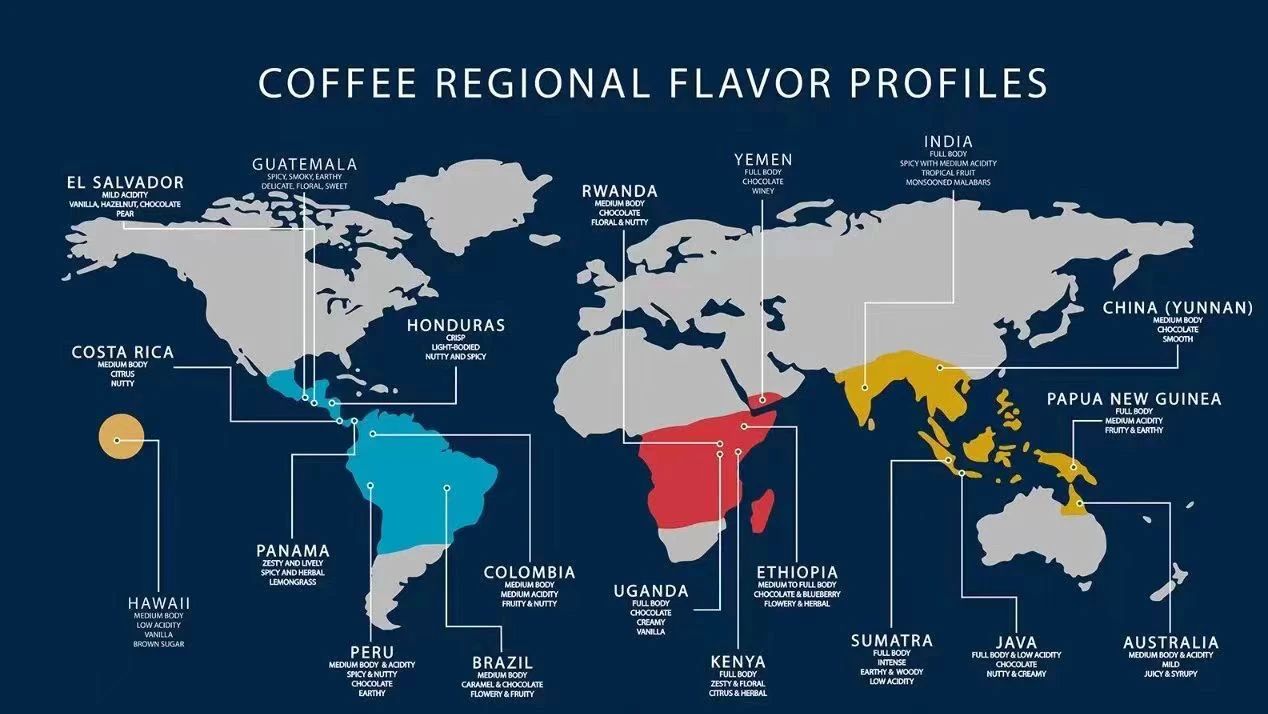
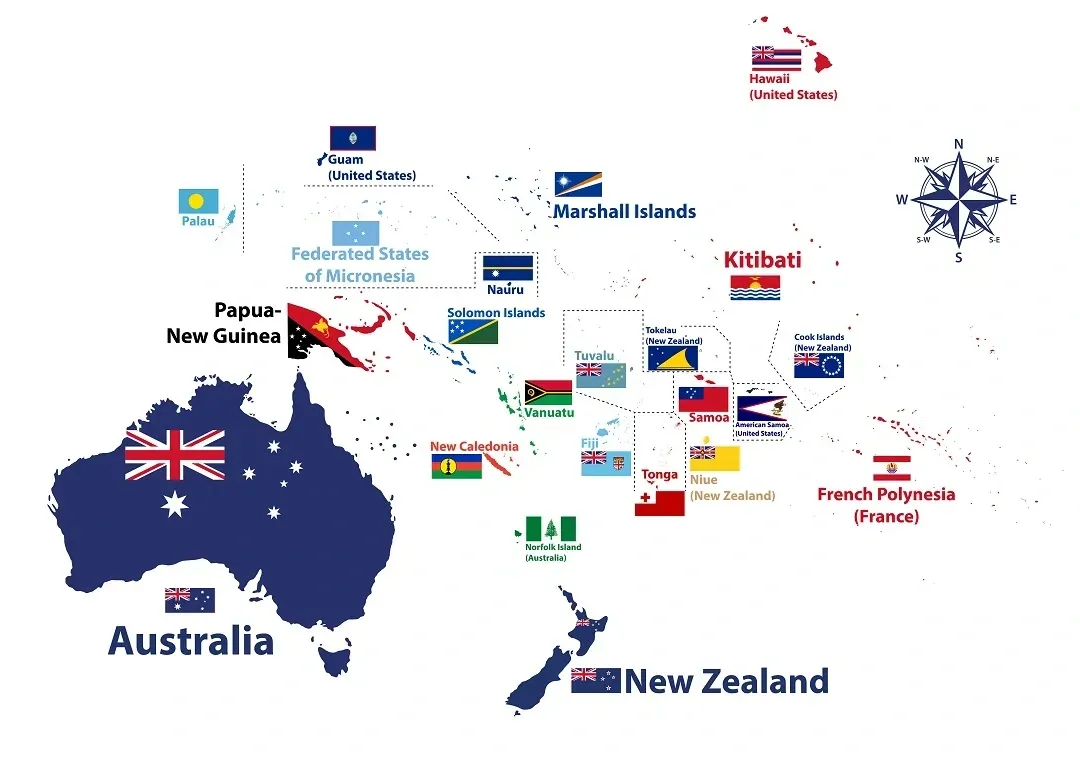
Among the world's seven continents, Oceania is the smallest, consisting mainly of the Australian continent and more than about 10,000 islands scattered across the Pacific Ocean. The islands of Oceania were formed through volcanic activity, so volcanic landforms are widely distributed and highly varied; most of the terrain here consists of hills and plateaus at 200-600 m above sea level, though some mountainous areas exceed 2000 m in elevation.
Because of the latitudes it spans from north to south, the climate varies markedly from place to place and is highly diverse. With high-altitude mountain areas, abundant volcanic soils and a varied climate, most of the countries here are agricultural producers, and some countries and regions are known for their abundant coffee, such as Papua New Guinea and Hawaii.
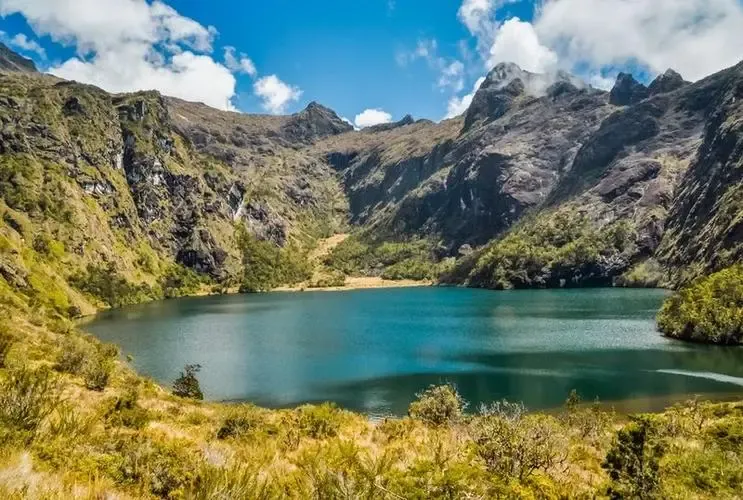
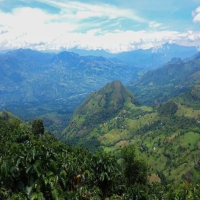
The country consists of two parts, New Guinea in the north and Papua in the south; its main body is the eastern part of the island of New Guinea, and it also includes more than 600 surrounding islands, most of which are mountainous with numerous volcanoes. In the south of the country the terrain is mainly plains and lowlands at lower elevations, so coffee is mainly grown in the central Central Range; the Central Range is mainly the Bismarck Range, with numerous volcanoes, several rivers and rich natural resources.
In Papua New Guinea, areas above 1000 m in elevation have a mountain climate, with an average temperature of about 16-27°C and an average annual rainfall of 2500 mm. With high-altitude mountain areas, fertile soil brought by volcanic ash, abundant nature and a suitable climate and rainfall, it can be said that Papua New Guinea enjoys exceptionally favorable conditions for growing coffee.
According to historical records, Papua New Guinea began growing coffee in the 1890s, but it was not initially regarded as a commercial product. In the 1930s, the country was administered by Australia, while Jamaica was a British colony. Because Britain and Australia had friendly relations, Papua New Guinea introduced the Jamaican Blue Mountain Typica variety for cultivation. Moreover, Papua New Guinea and Jamaica share a similar island-type geographical environment and climate, and the introduced Typica variety quickly adapted to the local environment, and was therefore called "Little Blue Mountain."Afterward, the country introduced the Bourbon variety from Kenya, and Mundo Novo and Caturra from Brazil, to improve the country's coffee quality and yield.
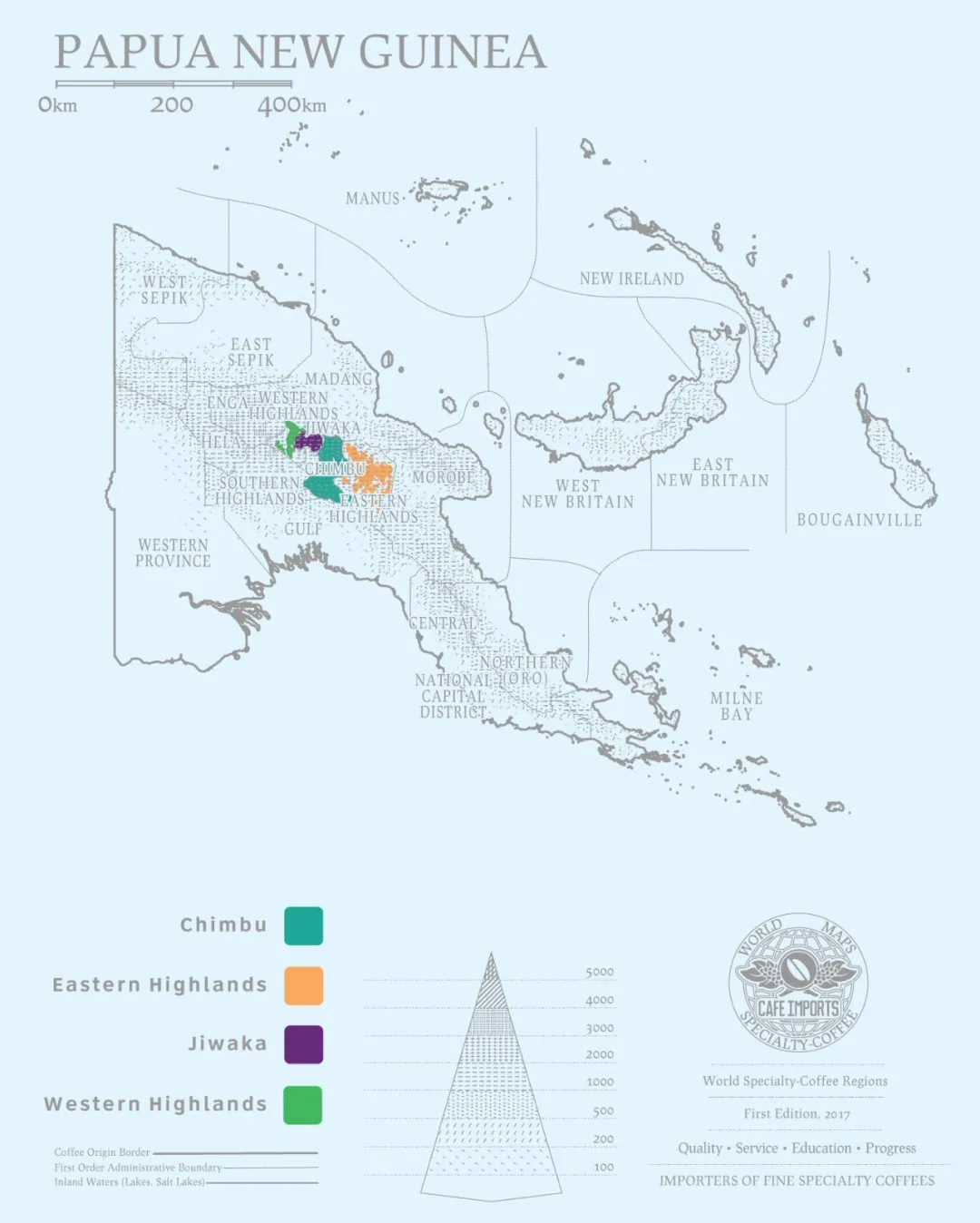
At present, coffee cultivation in Papua New Guinea is concentrated in four highland provinces in the central region, namely Western Highlands, Eastern Highlands, Chimbu, and Jiwaka Province.
Among them, Western Highlands is the country's largest coffee-producing region. The provincial capital is Mount Hagen, a city located in the Wahgi Valley, named after the nearby famous extinct volcano Mount Hagen. It has a relatively high altitude, fertile volcanic soil, appropriate rainfall and temperature, and is very suitable for agricultural cultivation. There are many coffee and tea plantations nearby, such as the well-known Sigri estate, which is located here.
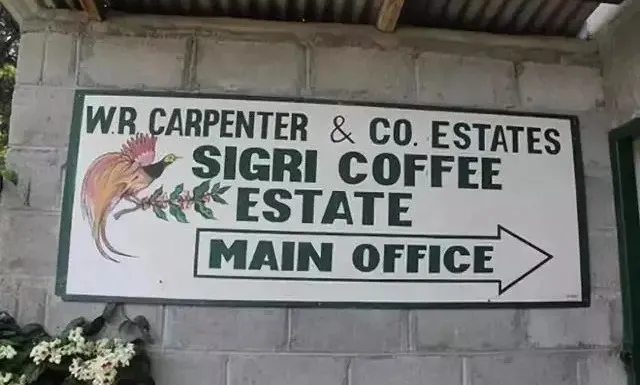
Sigri Estate was founded in 1950 and was a local pioneer of coffee cultivation, located in the mountainous area of the Waghi Valley at an altitude of about 1500 m. The estate's parent company is WR Carpenter company-PNG, which owns about 1000 hectares of coffee plantations in Papua New Guinea and is the country's largest coffee exporter, accounting for 80% of the country's coffee bean and tea exports
In addition, Sigri Estate places great emphasis on ecological protection and refuses to use pesticides and insecticides, thereby protecting water sources and soil. It has also adhered to high standards of cultivation and processing for many years, providing customers with coffee of consistent quality.
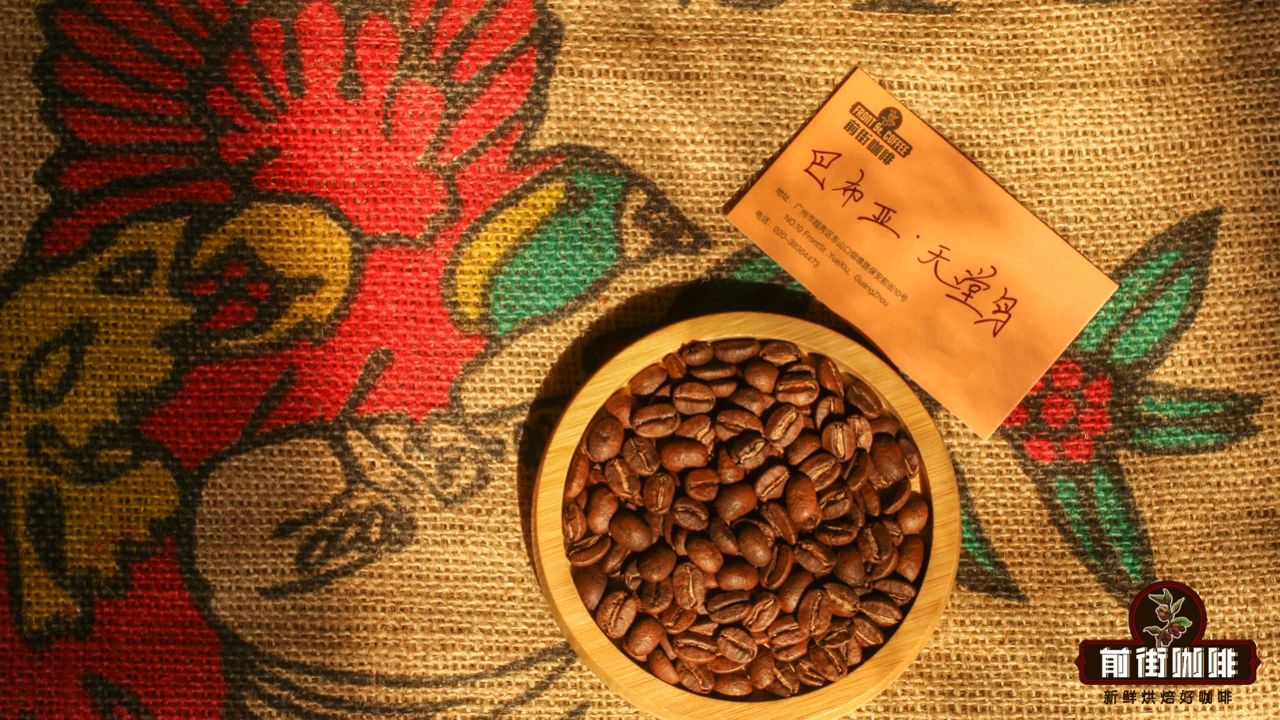
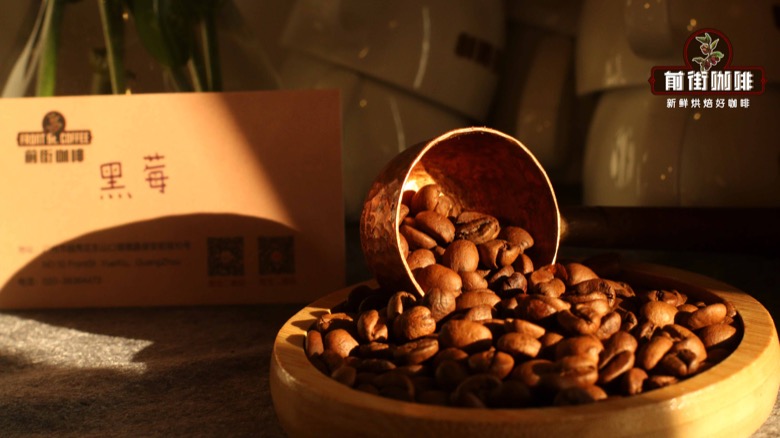
At FrontStreet Coffee, there is also Papua New Guinea Sigri Bird of Paradise coffee beans from this well-known producing region, the Western Highlands Province, made from Typica and processed by the washed method; after brewing it has caramel, cocoa and almond flavors, with a slight acidity when cool, a full-bodied mouthfeel and overall balance. FrontStreet Coffee believes that Papua New Guinea is located in Oceania and neighbors Indonesia in Asia, but Papua New Guinea has a higher altitude, and in terms of coffee flavor it differs from the spice and herbal aromas of Indonesia, being more balanced overall on a relatively full-bodied mouthfeel.
Related Reading


Comments (0)
Loading comments...
You May Be Interested



Trending Reviews
Popular Videos

With you, wherever you are! We provide useful features to help you find new things you'll love






