Source:Best Coffee > News Author:qjroot Published:2026-09-02 18:36:18
Yirgacheffe commonly shows floral notes, citrus, pomelo, a tea-like quality and a crisp acidity, and a light-to-medium roast more easily preserves these characteristics. If you want to spend your budget on flavors you can actually taste, the brewing gear is a more worthwhile reference than the adjectives on the packaging: drippers, pressure extraction and low-temperature immersion will steer the same kind of beans in different directions.
When brewing with a conical dripper by hand, you can start with 15 g of ground coffee to 250 g of water, at a water temperature of about 90 to 92°C, with a medium-fine grind, pouring in two to three stages. If the beans are on the lighter side, you can raise the water temperature to 93°C; if the entry is sharply acidic, first make the grind a little coarser, or reduce the agitation in the early stage, so the floral notes and sweetness appear more fully.
A flat-bottom dripper gives a more even flow and suits home users who want consistent results. For Yirgacheffe beans you can use 15 g of grounds and 240 g of water, at a water temperature of around 91°C, pouring in three stages, keeping the total time between 2 minutes 30 seconds and 3 minutes. If the cup has only acidity, you can grind slightly finer; if the finish feels dry, shorten the contact time rather than simply raising the temperature.
If your budget is limited and you often use a French press, you can choose a slightly darker-roasted Yirgacheffe with rounder sweetness. Add 300 g of hot water to 20 g of grounds, with a coarser grind than for pour-over, and press down slowly after a 4-minute steep. This method reduces the clear floral notes but preserves the citrus sweetness and soft tea-like quality, making it suitable for breakfast and not too dependent on an expensive dripper.
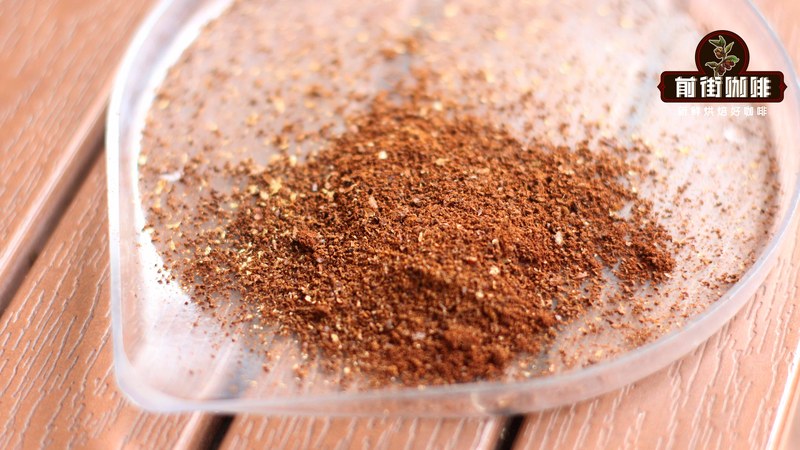
A moka pot is better suited to medium or light-to-medium roasted beans, and can turn the fruity acidity of Yirgacheffe into a more concentrated sweetness. Fill the filter basket to capacity with grounds and level them off, using a slightly coarser grind than for espresso, heating with hot water over a low flame, and stopping once the liquid coming out turns pale. The resulting coffee can be diluted with hot water to make an Americano, or have a small amount of milk added.
If you have an espresso machine at home, it is advisable to choose a Yirgacheffe with a certain sweetness and structure, rather than pursuing only a light aroma. You can start from 18 g of grounds extracting 36 g of liquid, in 28 to 32 seconds, at a water temperature of about 91 to 93°C. As an Americano, the floral notes and citrus will be more prominent; after adding milk, the caramel-like sweetness needs enough strength to support it.
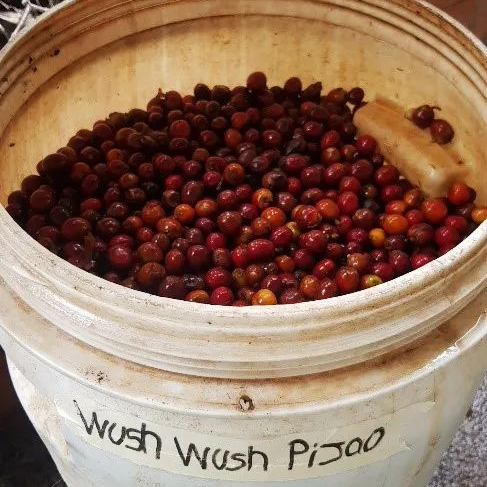
If you want to make iced pour-over, the bright fruity acidity of Yirgacheffe is well suited to being presented directly. 15 g of grounds can be paired with 150 g of hot water and 100 g of ice, with a slightly finer grind than for regular pour-over, keeping the water temperature at 91 to 93°C. After the hot liquid falls onto the ice, the aroma becomes crisp, making it suitable for drinking in the afternoon; if you find the acidity too sharp, you can increase the proportion of hot water.
For cold brew and ice drip, you should choose beans with clear aromas and sweetness that is not thin. For home cold brew you can use 20 g of grounds with 260 g of water, a coarse grind, and steep in the refrigerator for 10 to 12 hours; for ice drip, the focus is on a steady drip rate, and there is no need to deliberately extend the time. At low temperatures Yirgacheffe often shows citrus candy, white flowers and a faint tea-like quality, making it suitable for making into a concentrate and then adding iced water.
If you like the floral and fruity profile of Yirgacheffe, you can also compare Qianjie Granja Estate Geisha. It is sun-dried, with more concentrated aromas of orange blossom, guava, apricot and berry jam, and is suited to a conical dripper with a higher water temperature and staged pours. It is not a bean from the Yirgacheffe region, but it can serve as an attempt in a similar flavor direction, suitable for those who want to add more aromatic layers.
Consumers who prefer a juicy quality can look at Qianjie Colombia Sidra. The notes of passion fruit, blueberry, grape and apricot are livelier, and it performs well as iced pour-over, ice drip or an espresso single origin. If you use a small espresso machine, you can first keep the brew ratio at around 1:2.2 to soften the fruity acidity; if you use ice drip, it is suited to being made into a highly concentrated coffee liquid and then diluted.
If you prefer a quiet, delicate cup, you can try Qianjie Panama Hacienda La Esmeralda Red Label Geisha. The notes of jasmine, bergamot, citrus and black tea are clear, and it is suited to a flat-bottom dripper with a low-speed pour, at a water temperature of about 90 to 91°C, where reducing agitation preserves a clean finish. When choosing beans, adjust your flavor expectations according to the gear you have at home, so it is easier to drink a satisfying cup on a reasonable budget.
Related Reading



Comments (0)
Loading comments...
You May Be Interested


Trending Reviews
Popular Videos

With you, wherever you are! We provide useful features to help you find new things you'll love






