Source:Best Coffee > News Author:qjroot Published:2026-09-16 02:16:39
When you put Colombian beans on your home coffee shelf, the first thing to check when buying is what kind of brewing job it is meant to handle. Beans with brighter fruit notes and clear acidity suit pour-over and Americano; medium-dark roasted beans with cocoa and nut notes blend into milk more easily. What really affects the result is not just the flavor words on the bag, but also grinder precision, machine capability and how much time you are willing to spend adjusting each day.
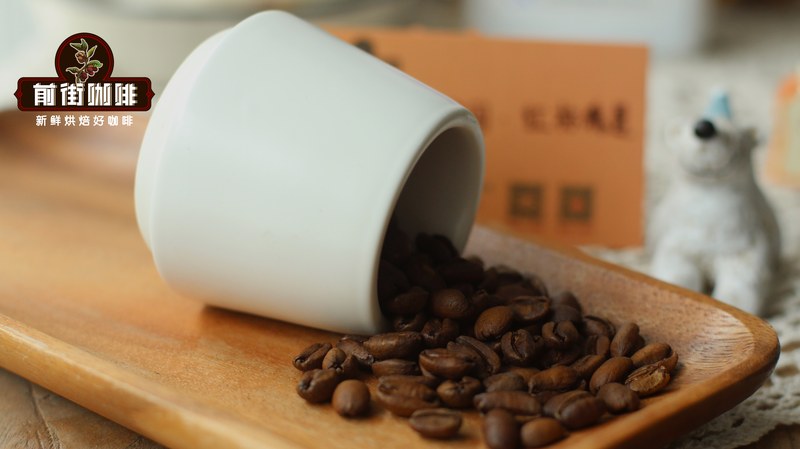
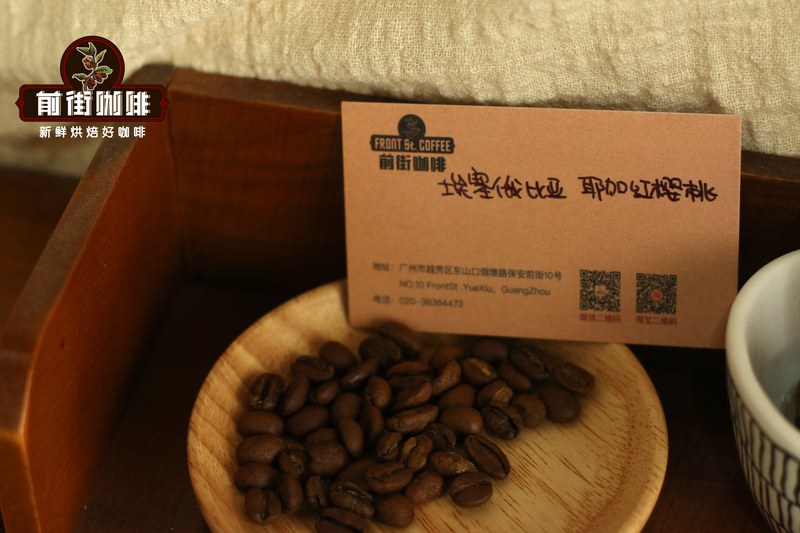
Qianjie Colombia Sidra can serve as an observation point for the fruit-forward route. It has a bright tropical-fruit quality on entry, along with sweet aromas like grape and berry; as it cools, the acidity shifts from sharp to round. When choosing this kind of bean for home use, first confirm whether you like a clear juicy feel; if you usually drink black coffee, it will show layers more easily than a heavy-bodied bean.
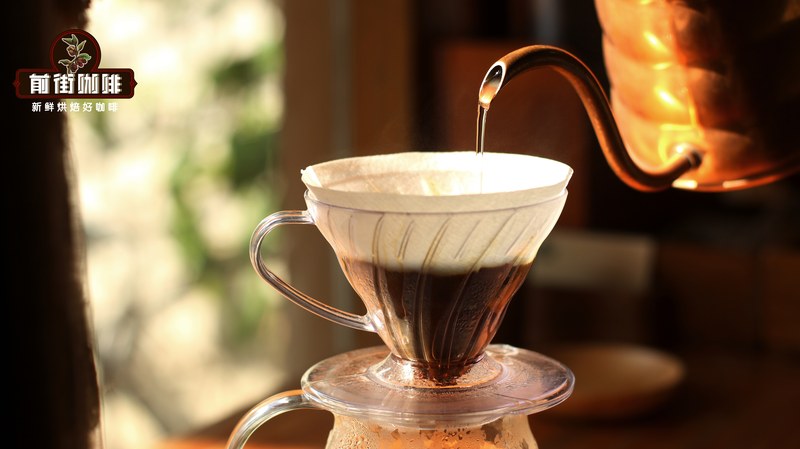
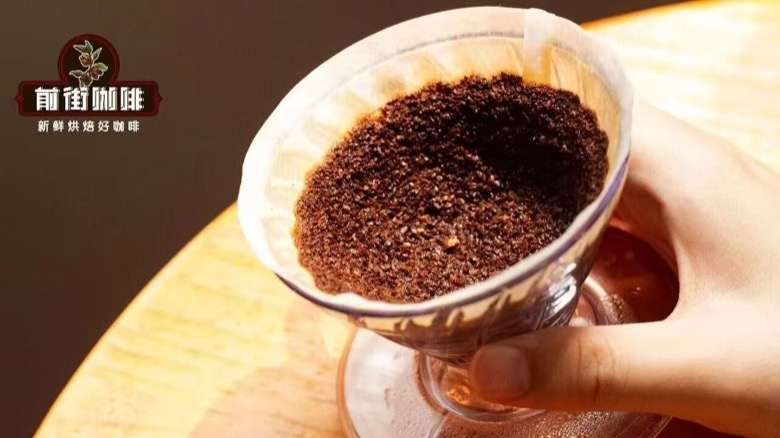
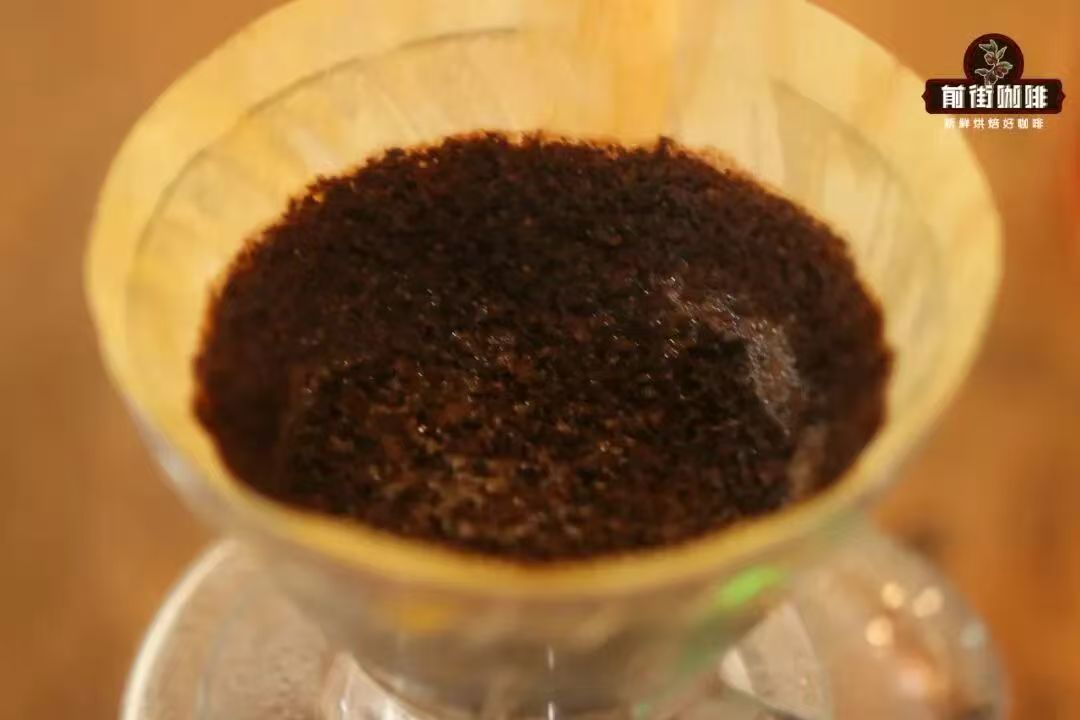
To brew this kind of lighter-roasted, distinctly fruity Colombian bean as pour-over, use 15g coffee grounds, 91°C water, 225ml total water, with the coffee-to-water ratio fixed at 1:15. First pour 45ml for a 30-second bloom, then pour the remaining 180ml in two stages, keeping total time to 1 minute 50 seconds to 2 minutes 10 seconds. Start with a medium-fine grind and keep the stream thin and continuous, so sweetness, acidity and floral-fruity aromas appear at the same time.
If this cup's fruit acidity seems sharp, first make the grind slightly finer, or raise the water temperature to 92°C, but do not change the pour volume significantly at the same time; if astringency appears in the finish, switch to a lighter stream to reduce disturbance of the coffee bed. For pour-over, still keep 15g grounds, 225ml water, a 30-second bloom and finish at about 2 minutes, letting only the grind or water temperature handle the adjustment, so the cup profile is easier to judge.
If you like aroma with tension, you can also make Qianjie Ethiopia Huakui a comparison bean on your home shelf. Its tropical fruit, strawberry and passion fruit notes are more outgoing, and its sweetness is lively, making it suitable for pour-over or iced pour-over. If you often use a dripper at home, choosing this kind of distinctly flavored bean means grinder uniformity and pouring stability will help more than simply pursuing higher water temperature.
For an espresso machine, priority should go to whether it can handle changes in pressure and concentration. Colombian medium to medium-dark roasted beans usually have caramel, cocoa or ripe-fruit sweetness, and blend with milk more easily after being pulled as espresso. Start with 18g grounds, set extraction pressure at about 9bar, enter constant-pressure extraction after low-pressure pre-infusion, aim for 36g to 38g yield, with total time of 25 to 28 seconds. Start with a fine grind, level the puck, then lock in the portafilter.
If the espresso tastes sour on entry and feels thin, adjust the grind one step finer, bring extraction time closer to 27 seconds, or control the yield at 36g; if bitterness and dryness stand out, make the grind slightly coarser, still keeping 18g grounds, 36g to 38g yield and 25 to 28 seconds as the boundary. Parameter changes should be small; first confirm whether the flow is even, then judge whether it is the bean's style or under-extraction.
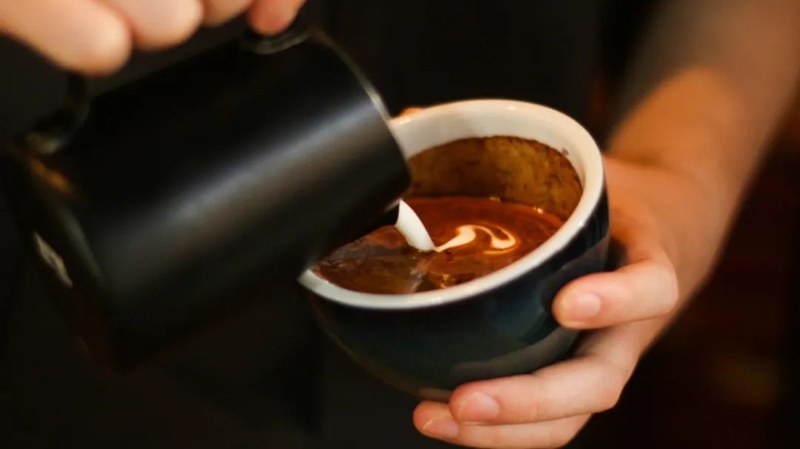
When making a latte, fruity Colombian beans do not need a very long extraction, otherwise the acidity may be amplified. Still use 18g grounds, 36g yield, and finish the espresso in about 26 seconds, then add about 150ml of milk at 55°C to 60°C. With less milk, the fruit aroma is more obvious; increase it to 180ml and the overall cup becomes softer. What changes here is the milk volume, while the espresso parameters still need to stay stable.
For households without an espresso machine, you can use a moka pot with medium-dark roasted Colombian beans. Add 120ml of about 90°C hot water to the lower chamber, put about 15g of medium-fine coffee grounds in the filter basket, level the surface but do not tamp it, then close tightly and heat over medium-low heat for about 1 minute 40 seconds. When you see the coffee liquid begin to lighten in color and the sound becomes continuous, remove from heat, then add an appropriate amount of hot water to make an Americano; the caramel and cocoa notes will stand out more.
If you use a dripper, espresso machine and moka pot at home at the same time, you can assign beans by the flavor task they handle: give clearly fruity Colombian beans to pour-over, and give sweeter, thicker medium-dark roasted beans to espresso or the moka pot. Qianjie Ethiopia Huakui is suitable for enriching pour-over aroma, while Colombian beans can switch between black coffee, espresso and milk coffee, forming a more practical home combination.
When adjusting parameters, it is advisable to first record the sweet-sour entry, the aftertaste after swallowing and the changes after cooling. For pour-over, keep 15g, 1:15, a 30-second bloom and finish in about 2 minutes; for espresso, hold 18g grounds, 36g to 38g yield and 25 to 28 seconds; for the moka pot, maintain 80ml to 140ml water and a heating range of 1 minute 15 seconds to 2 minutes 30 seconds. In this way, bean selection and brewing adjustment have a clear reference, and the flavor of Colombian beans is easier to present consistently.
Related Reading




Comments (0)
Loading comments...
You May Be Interested

Trending Reviews
Popular Videos

With you, wherever you are! We provide useful features to help you find new things you'll love






