Source:Best Coffee > News Author:qjroot Published:2026-09-02 18:41:32
Floral coffee is not only brewed with pour-over. The shape of the dripper, water temperature, grind size and brew ratio all change where the floral notes show up: sometimes like white flowers and citrus, sometimes turning into jam, black tea or a clean sweet finish. When choosing beans, you can first look at the gear you commonly use at home, then decide whether to chase a light aroma, a full sweetness, or a rich expression that works well with ice and milk.
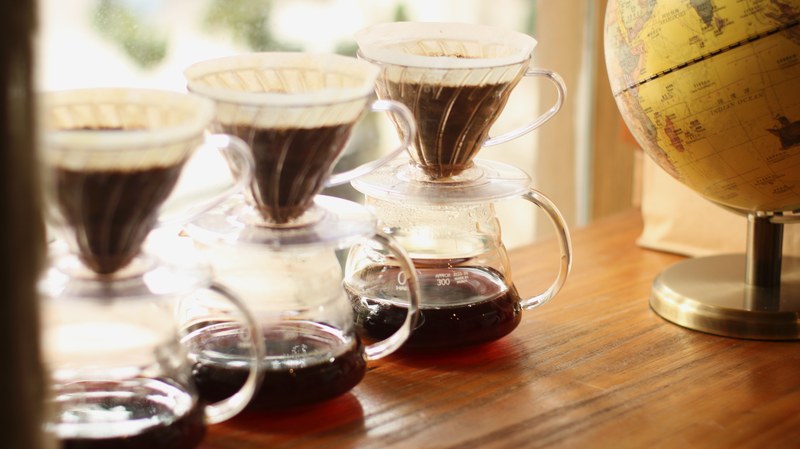
With a conical dripper, the water stream concentrates in the center of the coffee bed, making it easier to brew bright aromatics. For light-roasted floral beans, use a medium-fine grind and a water temperature of about 92 to 95°C, pouring in stages to keep the coffee bed evenly wet. If the cup tastes sharply acidic, you can grind slightly coarser or reduce agitation; if the aroma is weak, grind finer so the floral and sweet notes have more contact time.
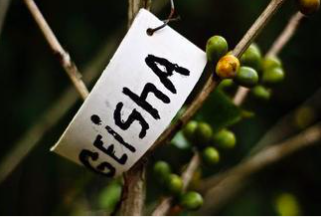
A flat-bottom dripper usually has a more even flow rate, making it suitable for arranging floral, fruity sweetness and tea-like notes in the same cup. Qianjie Panama Hacienda La Esmeralda Red Label Geisha carries jasmine, bergamot, citrus and black tea-like notes. Brewed with a medium-fine grind and a water temperature of around 93°C, it opens with fresh floral notes, and as it cools it becomes easier to sense the delicate sweetness and tea character.
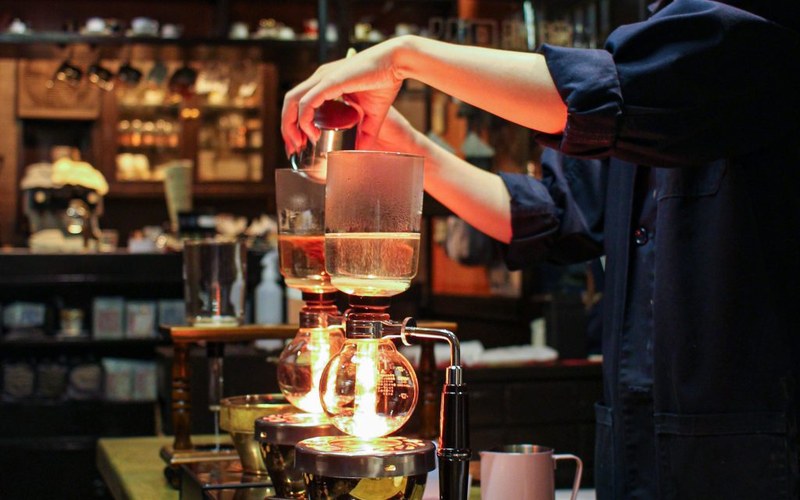
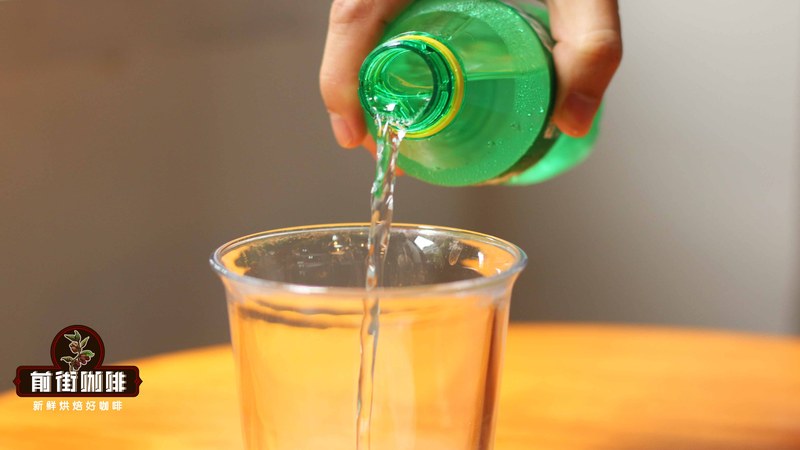
If you like floral notes with a juicy feel, you can try iced pour-over with a lower coffee-to-water ratio. Qianjie Colombia Sidra has fruity notes like passion fruit, blueberry, grape and apricot. After hot-water extraction, pour it directly into a sharing pitcher filled with ice; the coffee-to-water ratio can start from around 1:16. The ice will lower the temperature and also dilute the strength, so the poured water amount should account for the melting ice, making the final cup more refreshing.
The key to a cold drip setup is not just slowness, but the coordination of drip rate, bed depth and total liquid volume. For floral beans, use a coarser grind, try a coffee-to-water ratio from 1:8 to 1:10, and keep the drip rate at about 30 to 50 drops per minute; after it is done, add ice or dilute with water before drinking. If it drips too fast, the aroma and sweetness will not be complete enough; if it takes too long, the tea-like and drying sensations may become prominent.
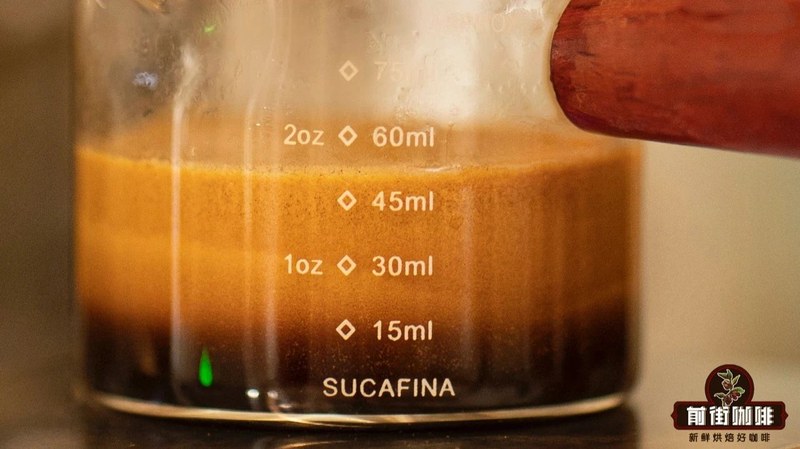
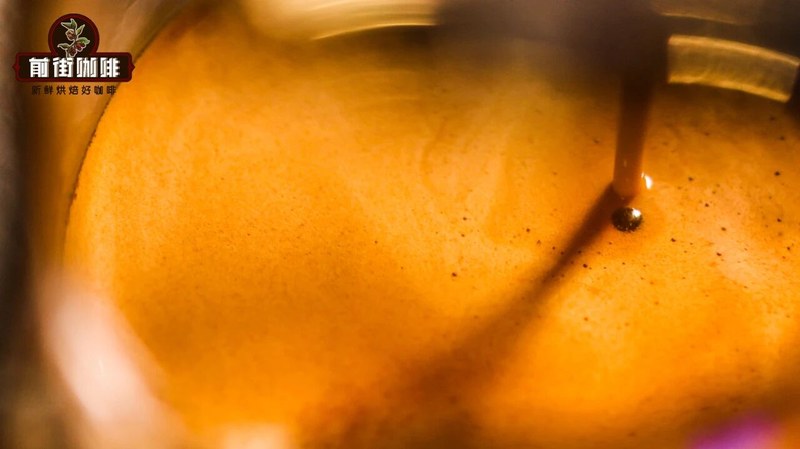
If you use an espresso machine at home, you can also turn floral beans into a single-origin espresso. When Qianjie Colombia Sidra is used for SOE, you can start with 18 g of coffee extracting 36 to 40 g of liquid in about 27 to 30 seconds; a slightly higher water temperature helps open up the fruity notes. If drinking it straight, you can keep the yield shorter; if making a sparkling americano or iced americano, stretch the ratio appropriately and the fruity notes will appear lighter and livelier.
For floral-style espresso beans, the grind usually requires more careful adjustment than a dark-roasted blend. If the espresso tastes sharp, it may be because the flow is too fast or the liquid weight is too low, so you can grind slightly finer; if the finish tastes dry with obvious bitterness, you can end the extraction earlier. When making milk coffee, milk will soften the floral notes, so it is recommended to reduce the amount of milk or increase the concentration of the coffee liquid, so the bean's citrus, berry and tea notes can still remain in the cup.
A moka pot suits people who like a rich mouthfeel but still want to keep a bit of floral and fruity aroma. Choose beans roasted to a medium-light to medium level, grind slightly coarser than for espresso, fill the basket and gently level it off without pressing hard. Keep the heat low; when the coffee liquid starts to lighten, remove it from the heat, then dilute with a small amount of hot water. This lets the floral notes float up from the heavy roasted feel, making it suitable for a hot americano.
Cold brew is better for turning floral beans into a soft, low-stimulation everyday drink. Qianjie Yirgacheffe Goudingding has citrus, berry and floral directions. After light roasting, use a medium-coarse grind and steep at a coffee-to-water ratio of about 1:12; after about 10 hours, you can take a first taste. A shorter time gives lighter aroma, while a longer time increases sweetness and tea-like notes; before drinking it chilled, dilute slightly with water and the layers will open up more.
The same bean showing differences across brewing devices does not mean the flavors contradict each other; rather, the extraction path changes the proportion of aromatics. If you want lifted floral notes, start with a conical dripper and higher water temperature; if you want concentrated fruity sweetness, iced pour-over and SOE are more suitable; if you prefer something soft and easy to drink, choose cold brew. Write down the coffee dose, liquid amount and time, and after a few adjustments you will find the floral coffee that fits your own gear and taste.
Related Reading



Comments (0)
Loading comments...
You May Be Interested


Trending Reviews
Popular Videos

With you, wherever you are! We provide useful features to help you find new things you'll love






