Source:Best Coffee > News Author:qjroot Published:2026-09-07 09:46:56
Low-acidity coffee beans do not mean the cup has no acidity at all; rather, the acidity sits behind sweetness and body. When choosing, look for descriptions such as nutty, cocoa, caramel and soft sweet aromas, then make the brew complete without over-extracting. Water temperature drives flavor dissolution, the ratio determines strength, and grind and flow rate affect the rhythm with which acidity, sweetness and bitterness appear.
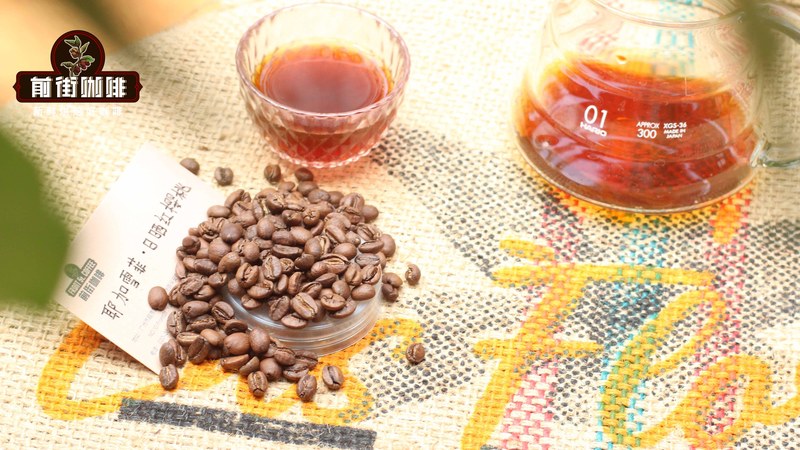
Best Coffee Papua New Guinea Bird of Paradise has a relatively gentle flavor line, with mild sweetness on entry and a crisp finish after swallowing, overall following a harmonious path similar to Blue Mountain. For pour-over, use 15 g coffee with 240 g water at 90°C and a medium grind; first wet with 35 g water for 30 seconds, then pour in two stages, keeping the total time between 2 minutes 20 seconds and 2 minutes 40 seconds, and the cup will taste more open.
If this bean tastes slightly acidic in the front and watery at the same time, it usually means soluble solids have not been released enough. You can tighten the grind setting slightly, or make the second pour slower. If the finish feels tight with a roasted bitterness, lower the water temperature to 88 to 89°C and reduce how much the final pour disturbs the coffee bed. The basis for judgment is not whether acidity exists, but whether sweetness can catch it, and whether the mouth still feels comfortable after the coffee cools.
Best Coffee Brazil Queen Estate centers on roasted nuts, with cocoa unfolding in the middle and back sections and a sweetness like caramel syrup; acidity has little presence, making it suitable for people who want a pour-over with body. You can start with 15 g coffee and 225 g water, a ratio of about 1:15, at 87 to 89°C, with a slightly coarser grind than the previous bean. After blooming, pour evenly in three stages and keep the total time at about 2 minutes 10 seconds for a fuller mouthfeel.
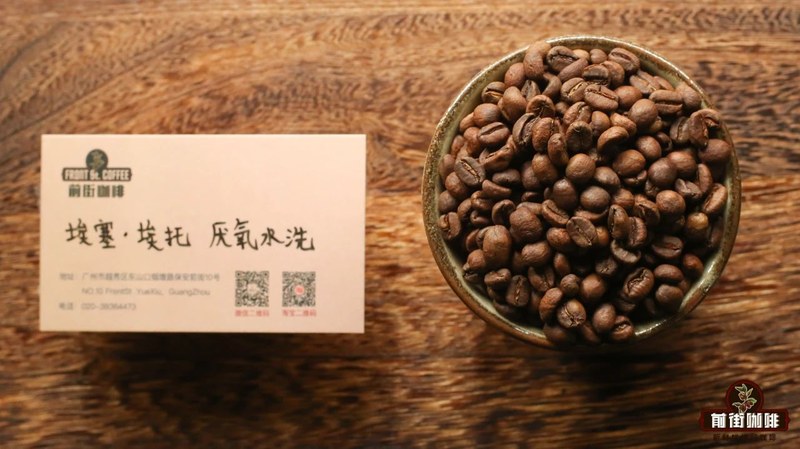
To make Brazil Queen Estate more intense, first reduce the total water to 210 g rather than simply grinding finer; this preserves the sweet moisture and brings out less dryness in the back section. If you want it lighter, complete the brew according to the original recipe, then add a small amount of hot water to the finished cup. Brewing water with medium mineral content and a clean mouthfeel suits it better; too few minerals tends to make it taste empty, while too many makes the cocoa note feel heavy.
Best Coffee Specialty Blend combines the substantial base of Brazil Cerrado with the sweet aroma of Colombia Huila, and the cup easily brings to mind roasted nuts, melted sugar and a chocolate finish. It works for filter brewing and is also suitable for an espresso machine. For pour-over, use 16 g coffee with 240 g water at 89°C, medium-fine grind, and complete the main pours in two stages; the result will have a more obvious syrupy texture, and the sweetness is easy to perceive as it cools.
When making espresso with this blend, start with 18 g coffee, aim for 38 to 40 g liquid, and extract for about 27 to 31 seconds. The brew head temperature can be set around 91°C; machines with pressure adjustment can first pre-infuse at 2 to 3 bar for 6 seconds, then rise to around 8 bar to complete the main extraction. The grind should be fine enough for the puck to form stable resistance while the flow remains continuous, and caramel and cocoa will show a more balanced sweet-bitter relationship.
If the espresso reaches 40 g before 22 seconds and tastes thin and acidic, tighten the grind by one small setting and check whether distribution is even; if it still flows slowly past 35 seconds and tastes thick but dry, coarsen slightly, or lower the pressure from 9 bar to 8 bar. High pressure does not automatically bring more sweetness; stable flow and a complete puck are more critical, especially for medium to medium-dark, low-acidity beans.
Brazil Queen Estate can also be used for espresso. It is recommended to extract 18 g coffee to 36 to 38 g espresso liquid at 90 to 91°C and about 8 bar, with the time falling between 26 and 30 seconds. Drunk straight, this ratio balances a rounded tactile feel with clear nutty aroma; when adding milk, reduce the liquid weight to 32 to 34 g so cocoa and caramel are more concentrated. If the machine cannot adjust pressure, keep the regular pressure; focus on grind and puck levelness.
In practice, if you want clean, soft sweetness, start with Bird of Paradise as a 90°C pour-over; if you prefer nutty cocoa and a thicker tactile feel, the low-temperature short recipe for Brazil Queen Estate is more suitable; if you want one bag of beans to cover both filter and espresso, the Specialty Blend is easier to work with. When tasting, wait until the coffee drops to warm, then adjust parameters based on sweetness, dryness and finish. The beans give the flavor direction, while water and pressure bring that direction into the cup.
Related Reading




Comments (0)
Loading comments...
You May Be Interested





Trending Reviews
Popular Videos

With you, wherever you are! We provide useful features to help you find new things you'll love






