Source:Best Coffee > News Author:qjroot Published:2026-09-24 14:24:22
When you turn a manual coffee grinder by hand, listening to the crisp sound of the beans cracking, the dry aroma of the coffee often rushes to your nose. But many friends also often run into confusion: clearly it is the same bag of beans, yet today the cup comes out bright and sweet, while tomorrow it may turn flat or carry astringency in the finish. In fact, the secret behind this lies in the delicate balance between extraction yield and strength. As long as you understand their temperaments, every cup from a hand grinder can be stable and smooth.
We can understand strength as how salty a bowl of soup is, while extraction yield is how much flavor material has been brought out of the coffee grounds. If the coffee tastes sharply sour and flat, it is usually underextraction caused by grinding too coarse or water temperature being too low; if it tastes bitter, dry and tight on entry with astringency at the back of the tongue, it is often overextraction caused by grinding too fine. Understanding the relationship between these two lets you easily control the flavor in the cup by adjusting the hand grinder.
When an uncomfortable astringency appears in the cup, try adjusting the hand grinder setting one or two clicks coarser, or lower the brewing water temperature by about two degrees, to reduce the dissolution of woody flavors. If the coffee feels thin and tastes as watery as plain water, you can fine-tune the grind slightly finer so the water and coffee grounds have fuller contact time, and this will quickly bring the coffee back to an ideal state of fullness and smoothness.
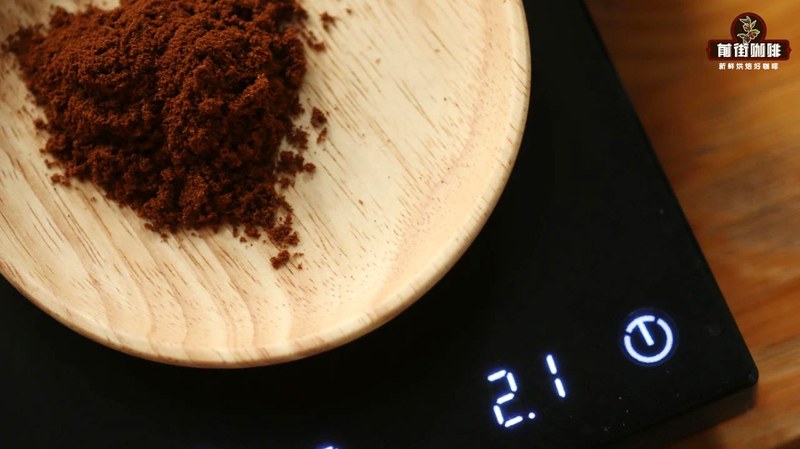
To establish a stable hand-grinder baseline, you can first calibrate flavor with classic pour-over parameters. Weigh 15g of coffee grounds, use a 1:15 coffee-to-water ratio, and prepare 225ml of water. First pour 30ml of water to bloom for 30 seconds and fully awaken the aroma, then use staged pouring to flatten the coffee bed, keeping the total time at around 2 minutes. With this stable brewing framework, fine-tuning for different beans becomes especially worry-free.
When choosing beans, you should also consider whether they suit a stronger or lighter drinking style. Light, airy floral-and-fruity coffees often suit a slightly lighter strength, bright and expansive like fruit juice; while beans with nutty and caramel sweetness show more richness when slightly stronger. For example, Qianjie Yirgacheffe Natural Red Cherry is especially suited to lighter extraction; its medium-light roast retains abundant aromatic substances and smells of ripe fruit.
This Qianjie Yirgacheffe Natural Red Cherry has quite outstanding sweetness because it uses a fully ripe cherry natural process. At a moderate coffee-to-water ratio, it has obvious fermented fruit aromatics and berry flavors on entry, and as the temperature drops slightly, the soft acidity of citrus interweaves with a creamy smoothness, while the finish still carries a full grape-juice sensation. With a moderate grind size, it can brew a mouth-watering, transparent cup.
If you prefer richer dried-fruit sweetness and floral notes, Qianjie Musician Series Mozart coffee beans are a very good choice. This Costa Rican bean uses a raisin honey process, and the medium-light roast gives it the dense sweetness of Kyoho grapes, interwoven with the elegant aroma of pineapple and osmanthus. If you keep the grind fairly uniform during hand grinding, you can clearly taste raisins, roses and a fascinating fermented wine aroma in the cup.
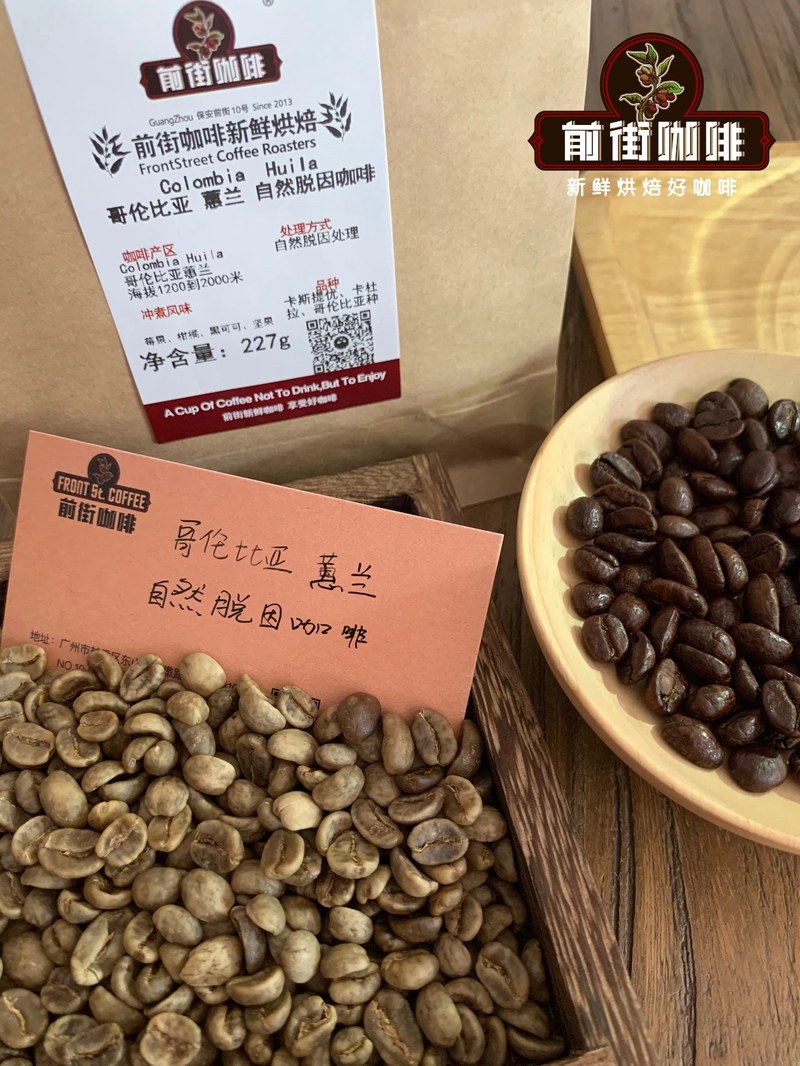
For friends who are used to a warm, rich cup in the morning, Qianjie Queen Estate Yellow Bourbon coffee beans are worth keeping on hand. This natural bean from a Brazilian specialty estate has very high sweetness, and the medium roast lets it show nuts, cream, sucrose and soft fruit acidity. Its tolerance is especially high; ground slightly finer and brewed stronger, it is very round and full, and it works well whether pour-over or switched to other equipment.
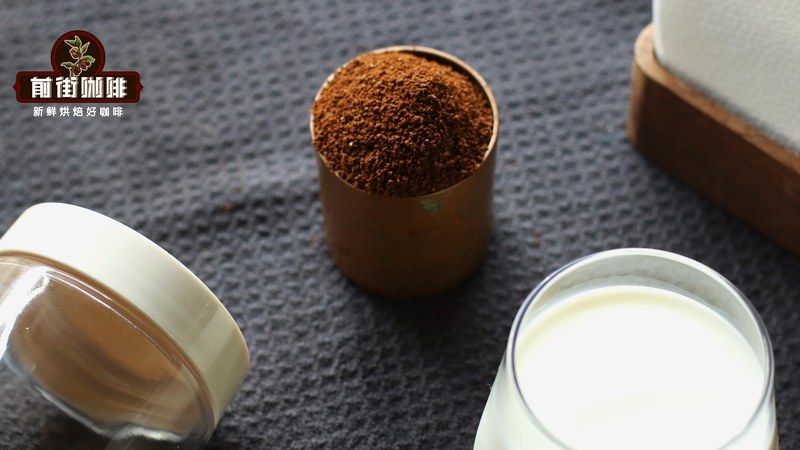
The joy of playing with a hand grinder lies precisely in feeling the subtle changes of grinding with your fingertips and following the characteristics of the beans to find the most expansive strength. Whether it is a light-roast flavor as bright as tropical juice, or a warm, steady nutty sweetness, as long as you sort out the rhythm of grinding and extraction, every bag of beans can show a pleasant smoothness in daily brewing and accompany you through leisurely coffee time.
Related Reading

Comments (0)
Loading comments...
You May Be Interested




Trending Reviews
2024-10-11
Popular Videos

With you, wherever you are! We provide useful features to help you find new things you'll love






